
← Back to map
Manjača Military Training Range (Mika Bosnić Barracks)
Above remediation value Note. This is a preliminary assessment. The general conclusion of the report is that the location requires further detailed analysis. The data shown is not a final risk determination.
Media tested
Summary
The Manjača range is the largest and most important military training range in Bosnia and Herzegovina — a vast karst plateau owned by the Ministry of Defence, used for decades for training, tactical exercises and live firing. Soil and water were tested. In the soil of the heavy-infantry firing zone, copper and lead reached levels indicating a need for cleanup, while several other metals and, in one sample, legacy pesticides were above the level at which soil is no longer considered clean. Both streams tested fully met the strictest water-quality class.
Assessment findings
Findings of concern
- In the soil of the heavy-infantry firing zone, copper and lead reached levels that indicate a need for cleanup, consistent with the long-term use of the area for shooting.
- Cadmium, cobalt, nickel, zinc and mercury were, across the firing, artillery and mortar positions, above the level at which land is no longer considered clean.
- One surface-soil sample also contained legacy pesticides from earlier use, above the level at which soil is no longer considered clean.
- The range lies on a vast, permeable karst terrain where rainfall infiltrates rapidly; dissolved metals and fine particles from the firing zones can move toward karst groundwater and, during rain, toward depressions and intermittent watercourses.
Positive findings
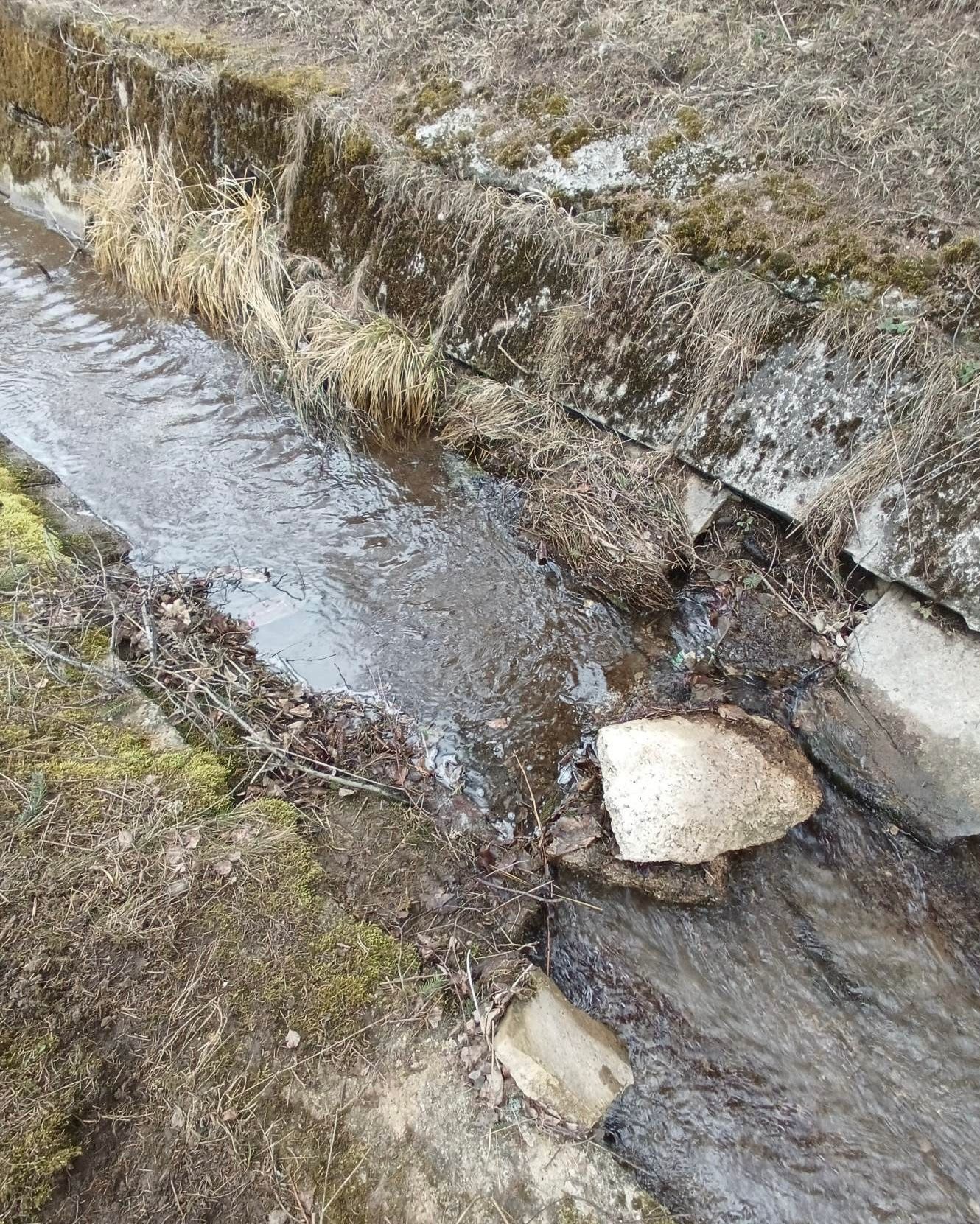
- Both streams tested — the one beside the automatic tank shooting range and the one flowing through the barracks — met the strictest water-quality class for every parameter tested.
- Pollutants associated with oil, combustion, solvents and industrial oils were within the prescribed limits in the soil.
- Chromium and arsenic were within the prescribed limits in the soil; apart from copper and lead in the firing zone, no other parameter reached a level indicating a need for cleanup.
Photo gallery
The project results have been submitted to the competent institutions as a basis for improving regulation and for strategic planning of further activities.
Legal basis
- Rulebook on limit and remediation values of polluting, harmful and hazardous substances in soil (Official Gazette of RS No. 82/21)
- Decree on water classification and watercourse categorization (Official Gazette of RS No. 42/01)