
All locations
Search and filter every location. Select a location for a summary of the findings.
-
 Above remediation value
 3. Maj Barracks
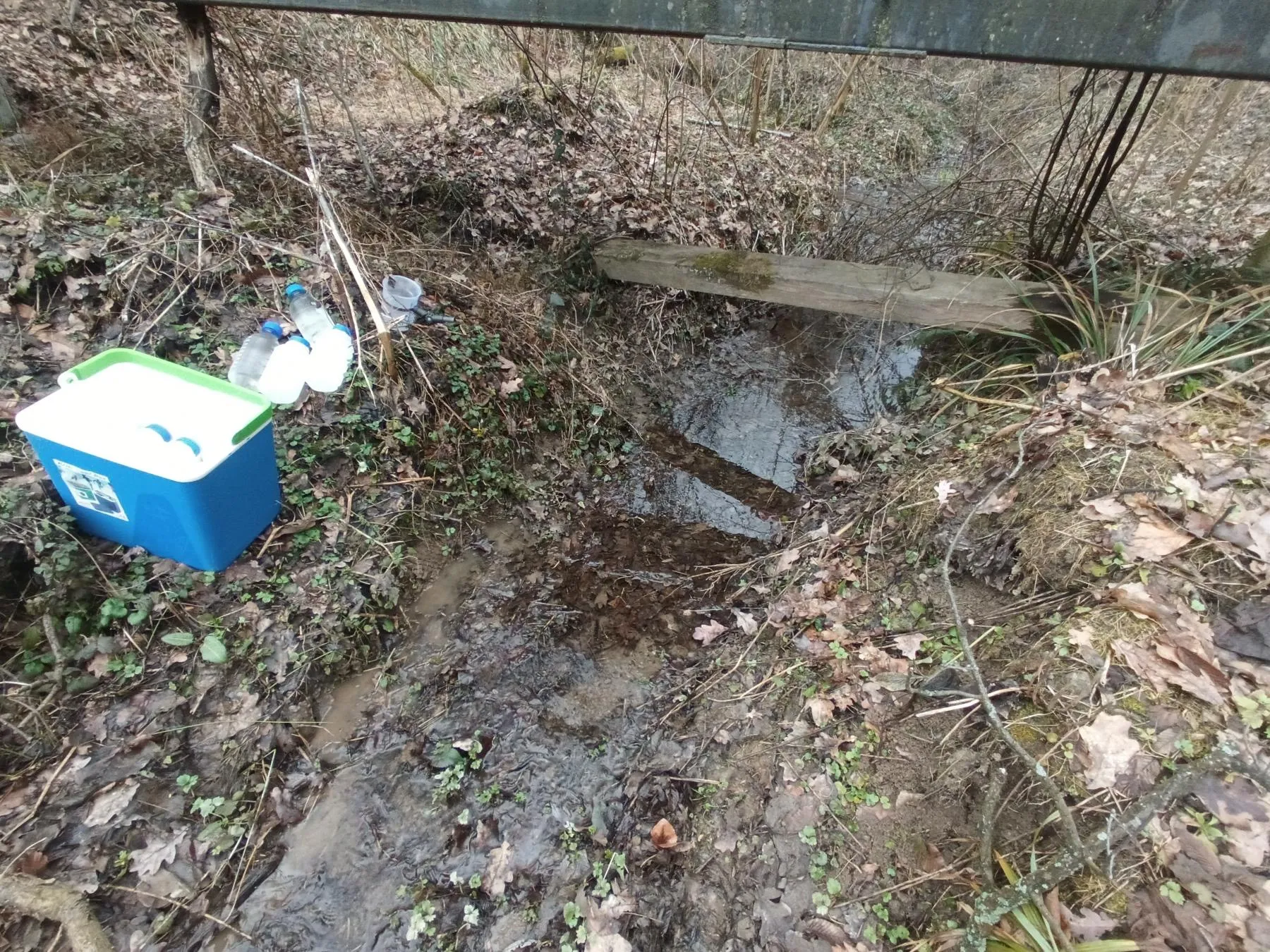
The "3. maj" Barracks in Doboj is an active Ministry of Defence military site — a complex of about 22 hectares where ammunition and mine-explosive devices are destroyed, neutralised and maintained. Soil and water were tested. In the soil, one legacy pesticide reached a level indicating a need for cleanup, while several metals, compounds linked to combustion and other legacy pesticides were above the level at which soil is no longer considered clean. The stream entering the complex exceeds limits for manganese and nickel, but where it leaves the compound it is in the best water-quality class.
Details -
 Above remediation value
 Abid Lolić Brown Coal Mine
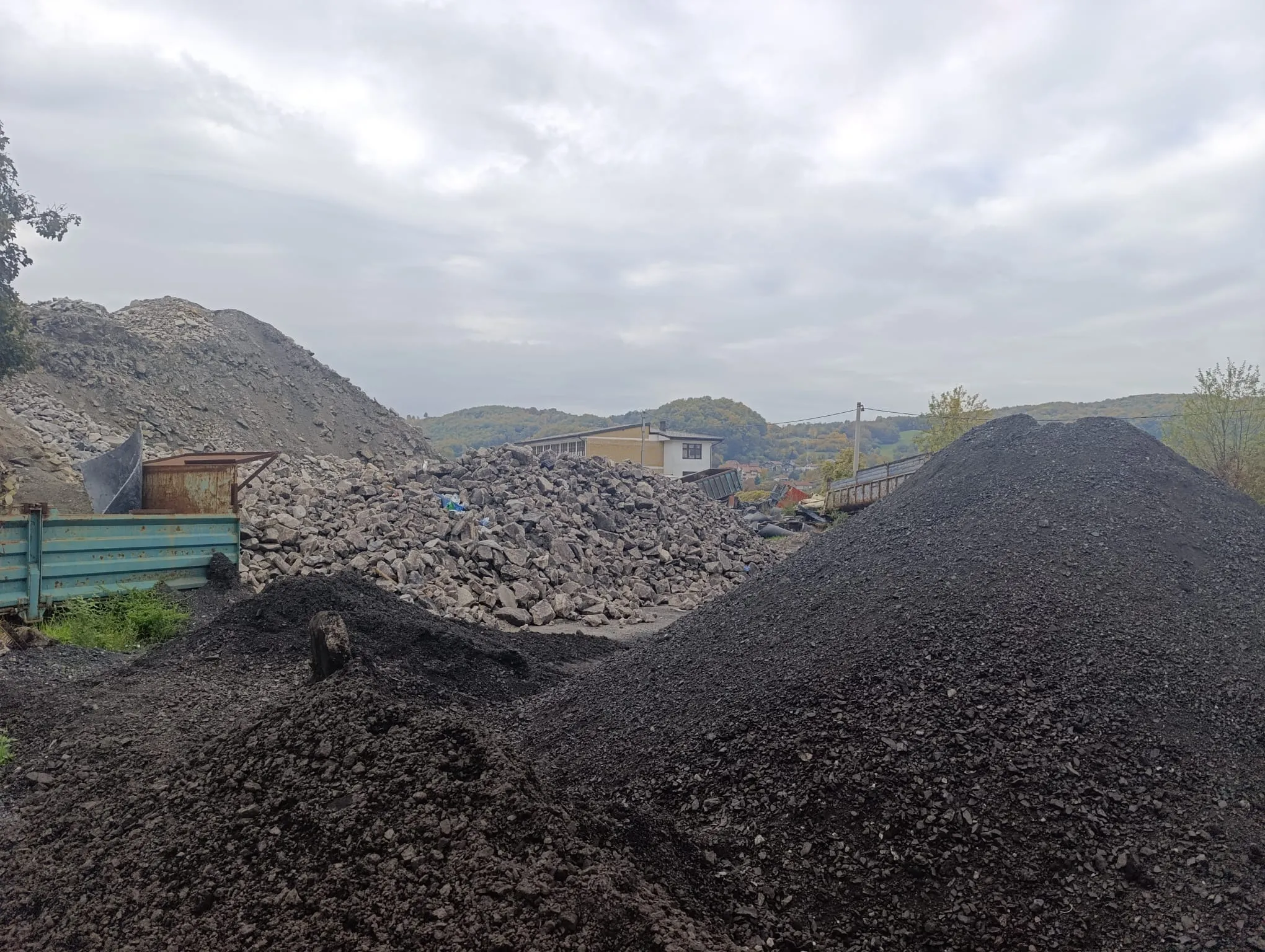
Brown coal mine in the Travnik municipality. Preliminary testing of soil, subsoil, water and sediment found elevated concentrations of several heavy metals, with the most pronounced exceedances for selenium and nickel in soil. The site lies near the Bila river and the Lašva basin, a residential community and a primary school. The general conclusion of the report is that the location requires further detailed analysis.
Details -
 Above remediation value
 Acid Tar Pit
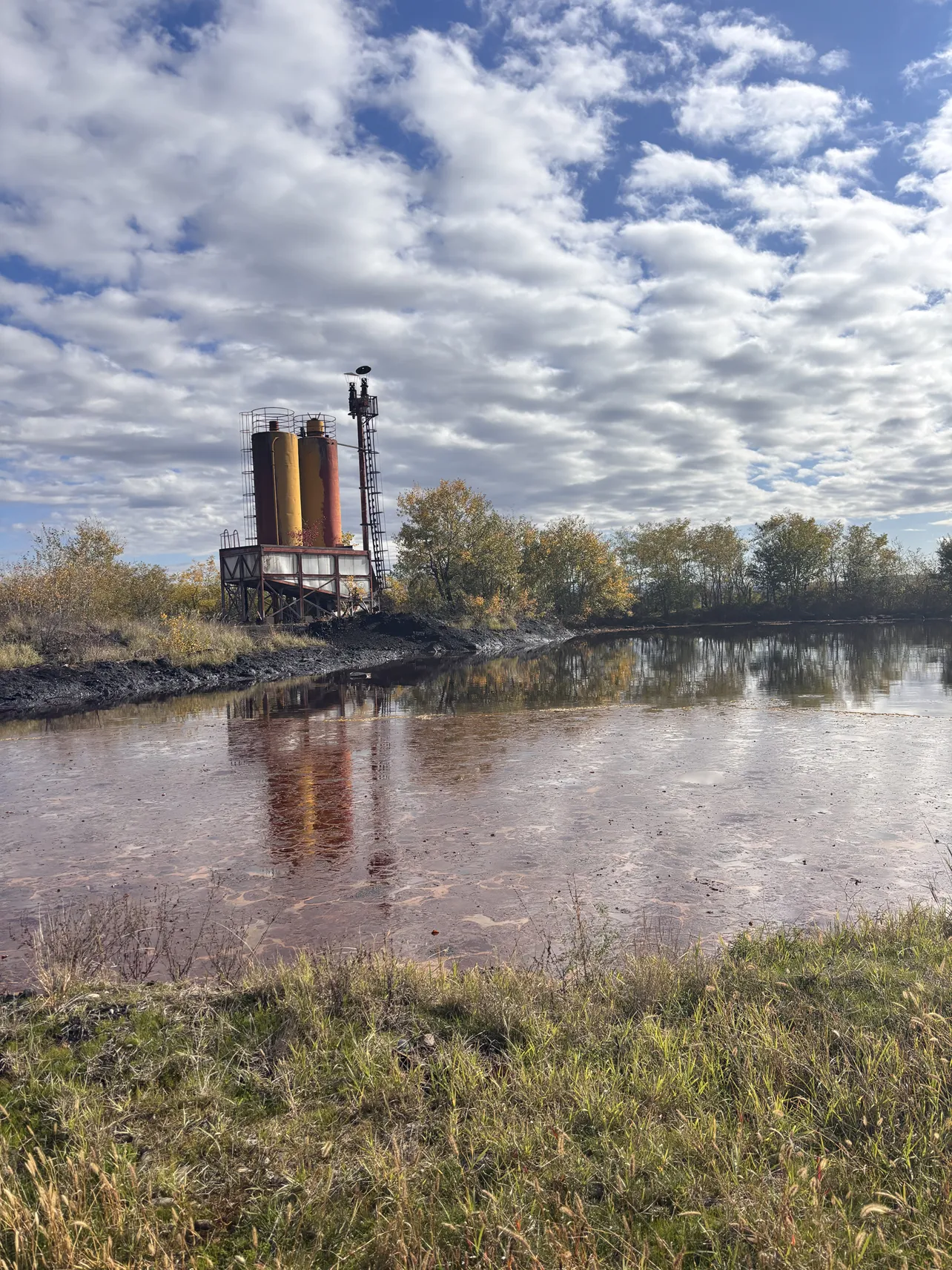
The Acid Tar Pit in the Garevac settlement near Modriča served for decades as a dumping ground for acid tar and other by-products of the Modriča oil refinery; the waste was placed in open earthen lagoons without protective barriers, from the mid-1960s to the late 1990s. The fenced, roughly two-hectare site now lies dormant and is being prepared for remediation. Testing covered the tar waste in the lagoons, the soil in and around the lagoons, surface soil in nearby residential areas, groundwater in the settlement, and surface water up- and downstream. The tar material itself is extremely heavily contaminated with petroleum hydrocarbons and tar residues and must be handled as hazardous waste, with lead at a level requiring cleanup. At the same time the contamination is largely confined to the lagoon zone: nearby groundwater, residential soil and the river are, for now, within the prescribed limits.
Details -
 Above remediation value
 Ada Landfill
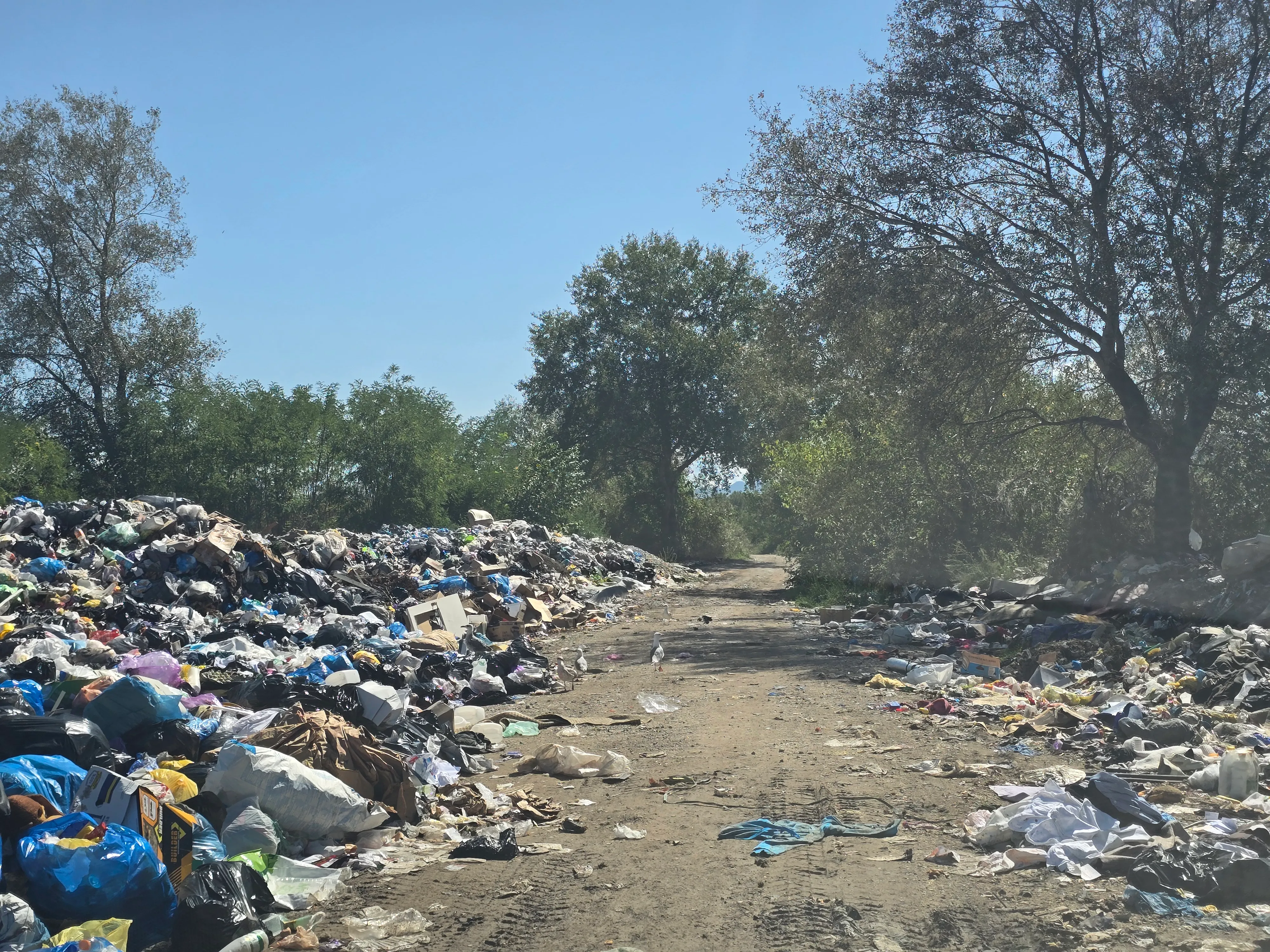
Ada is a large, open, unfenced municipal landfill south of Čapljina, right beside the bed of the river Neretva and within its flood zone. The highly permeable limestone bedrock allows rapid seepage toward the river, and the municipal drinking-water source lies about a kilometre upstream. Informal residents, including children, live on the landfill, and fires are frequent. Preliminary testing revealed more serious contamination: in the soil and the sediment, selenium reached the level indicating that cleanup is needed; long-banned pesticides were found in the surface soil; and in the Neretva itself beside the landfill, cadmium exceeded the water-quality standard.
Details -
 Above guideline value
 Bileća Barracks („Bilećkih boraca")
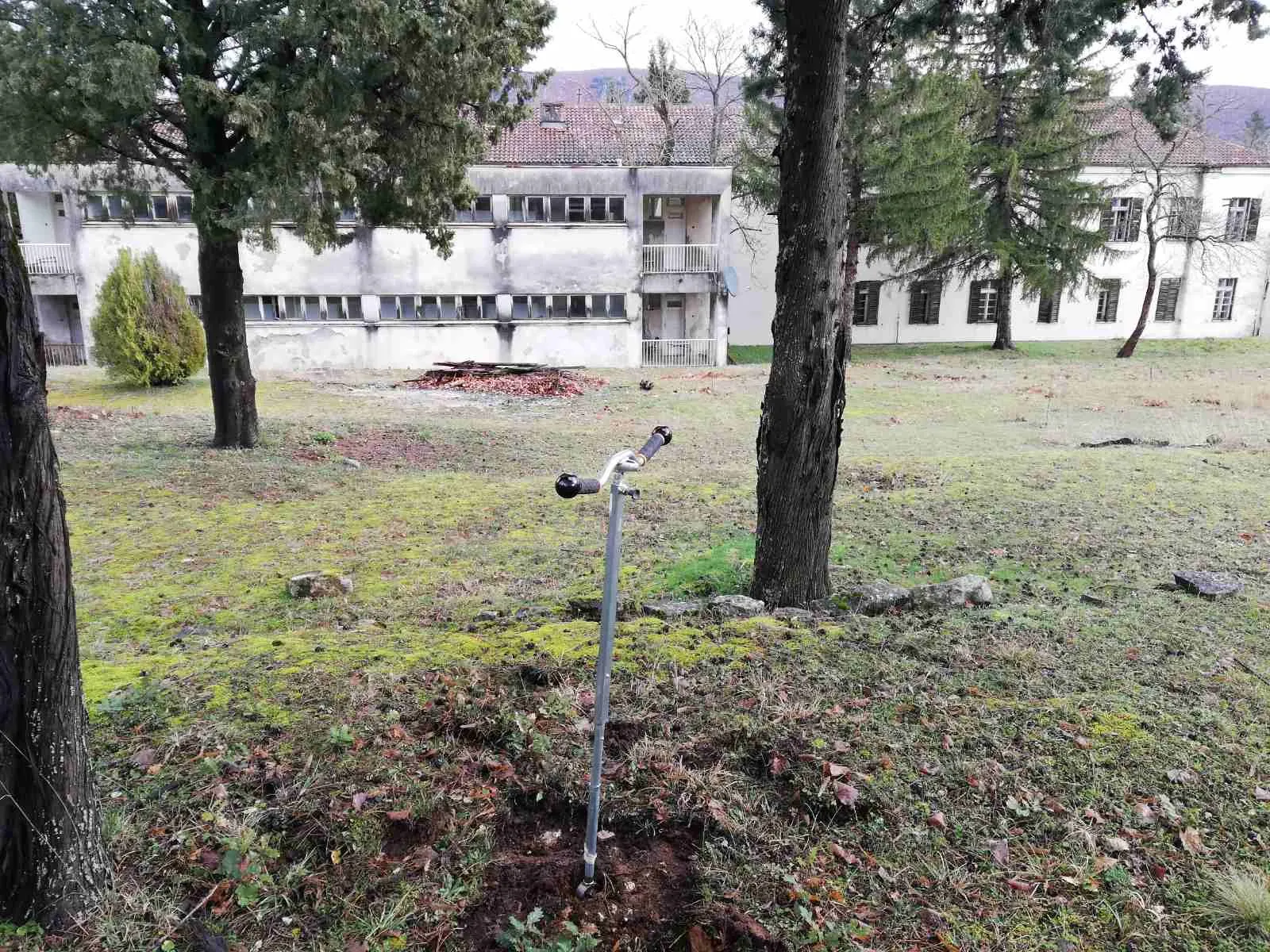
The „Bilećkih boraca" Barracks is an active Ministry of Defence military complex in Bileća — about 20 km² with 52 buildings, used for training, accommodation and logistics of the BiH Armed Forces and for EUFOR and police training. Soil was tested. Contamination was assessed as low-to-moderate: several metals and metalloids, compounds linked to combustion, and legacy pesticides were above the level at which soil is no longer considered clean, but no parameter reached a level indicating a need for cleanup. Pollutants associated with oil, solvents and industrial oils stayed within the prescribed limits.
Details -
 Above remediation value
 Butila Barracks
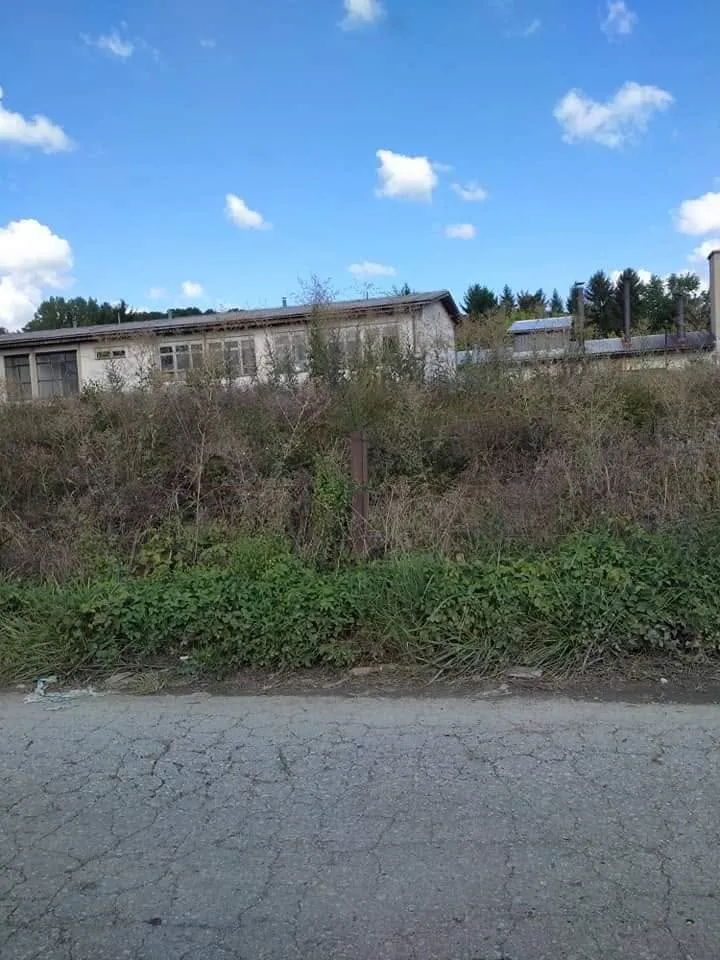
Butila Barracks is an active military site and central logistics base in Novi Grad Sarajevo, with training, parking and vehicle-manoeuvring and maintenance areas; it lies in the floodplain of the river Bosna. Soil was tested. Arsenic reached a level indicating a need for cleanup in one surface-soil sample, while several metals and legacy pesticides were above the level at which soil is no longer considered clean. Pollutants associated with oil, solvents and industrial oils stayed within the prescribed limits.
Details -
 Above guideline value
 Dolovi Landfill
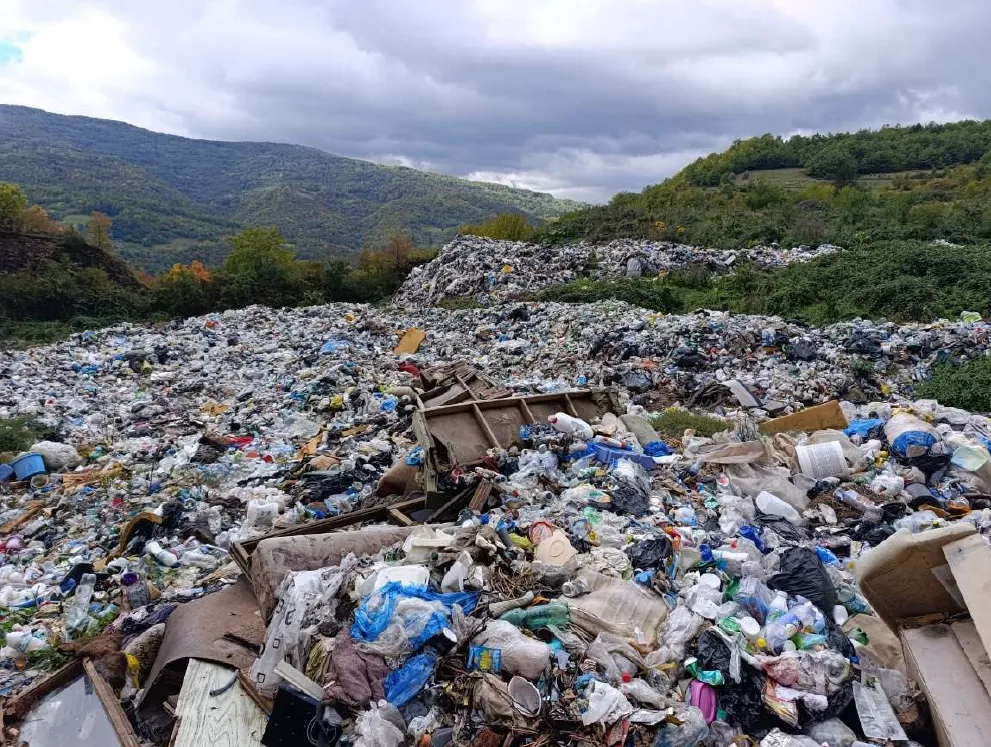
Dolovi is a small local municipal-waste landfill of about a quarter of a hectare, without supporting infrastructure, set beside the Brodar–Rudo main road near the river Lim. Surface and deeper soil layers were tested. No substance reached a level indicating a need for cleanup, but cadmium and nickel throughout the soil, and copper and zinc in places, were above the level at which land is no longer considered clean.
Details -
 Above remediation value
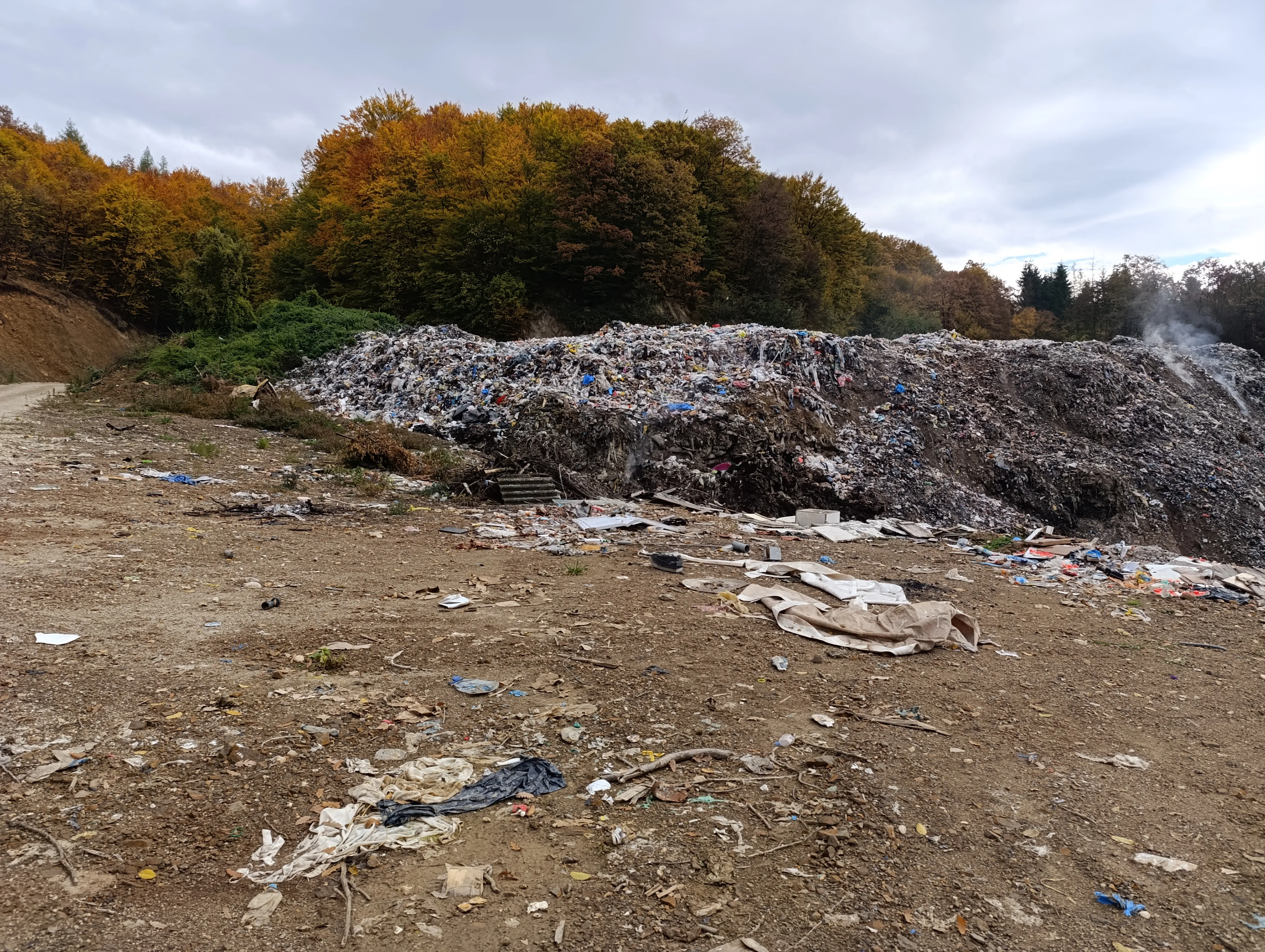
 Donje Kolibe Landfill
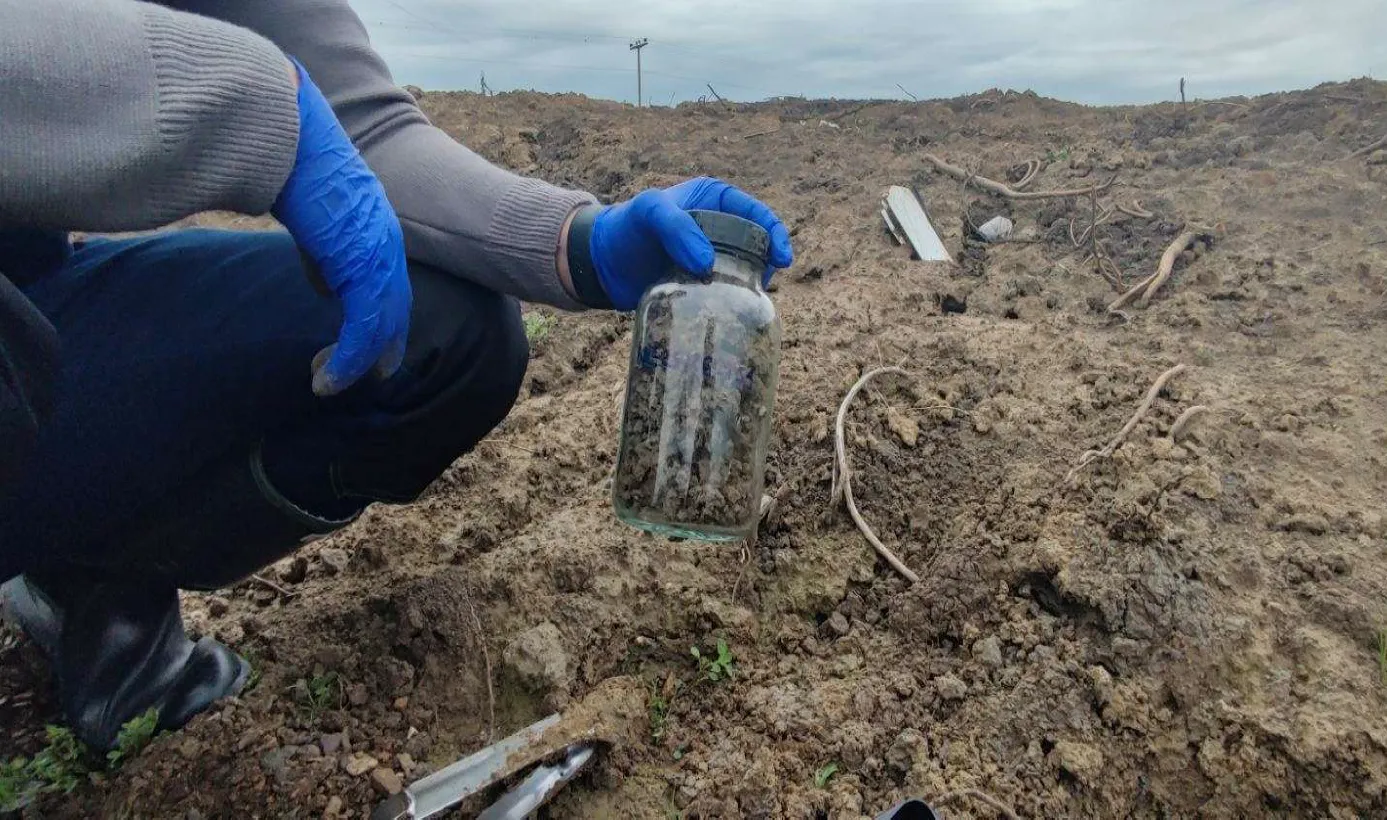
Donje Kolibe is an open, unremediated landfill in the Kolibe Donje settlement near Brod, formed by dumping municipal and construction waste alongside a local road. It covers about fourteen hectares, has an earth surface and no technical infrastructure, and single households and farmland lie around it. Testing produced two most-serious findings: selenium in the surface soil, and nickel in the deeper soil, reached a level indicating a need for cleanup. Selenium was also strongly elevated in both nearby lakes, and nickel in one. Cadmium was above the level at which land is no longer considered clean throughout the soil, and several other metals in the deeper layer.
Details -
 Above remediation value
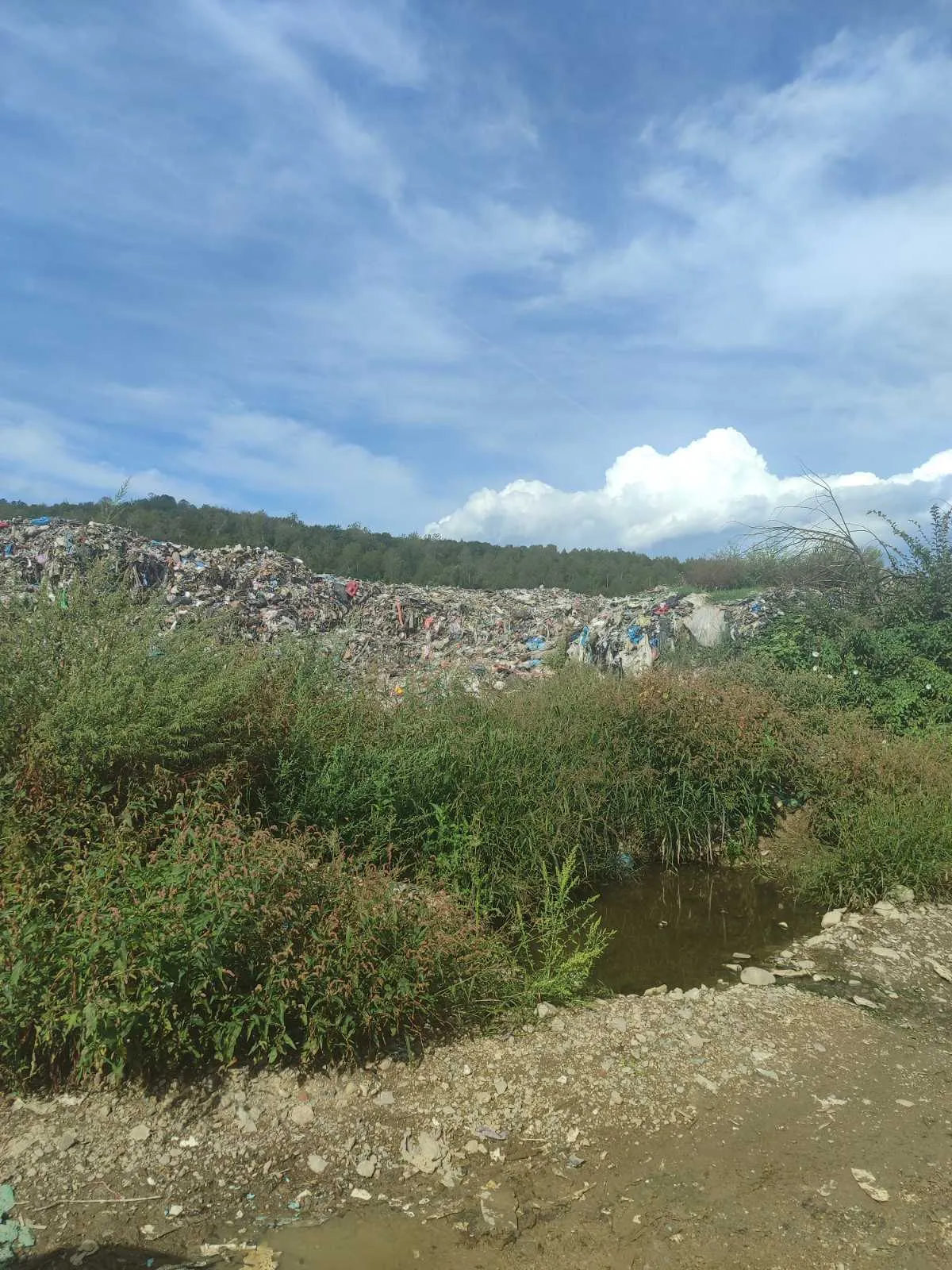
 Dragasevac Landfill
Dragasevac is an open municipal-waste landfill in the Šimići local community, Vlasenica municipality, in a karst area with permeable ground; the nearest watercourse is the river Tisca about two hundred metres away. Soil and water were tested. Nickel reached a level indicating a need for cleanup in the surface soil downhill from the landfill at both sampled points, and cobalt at one of them. In the nearby river, copper, nickel and lead exceeded the limit for the cleanest water class, lead and nickel markedly.
Details -
 Above guideline value
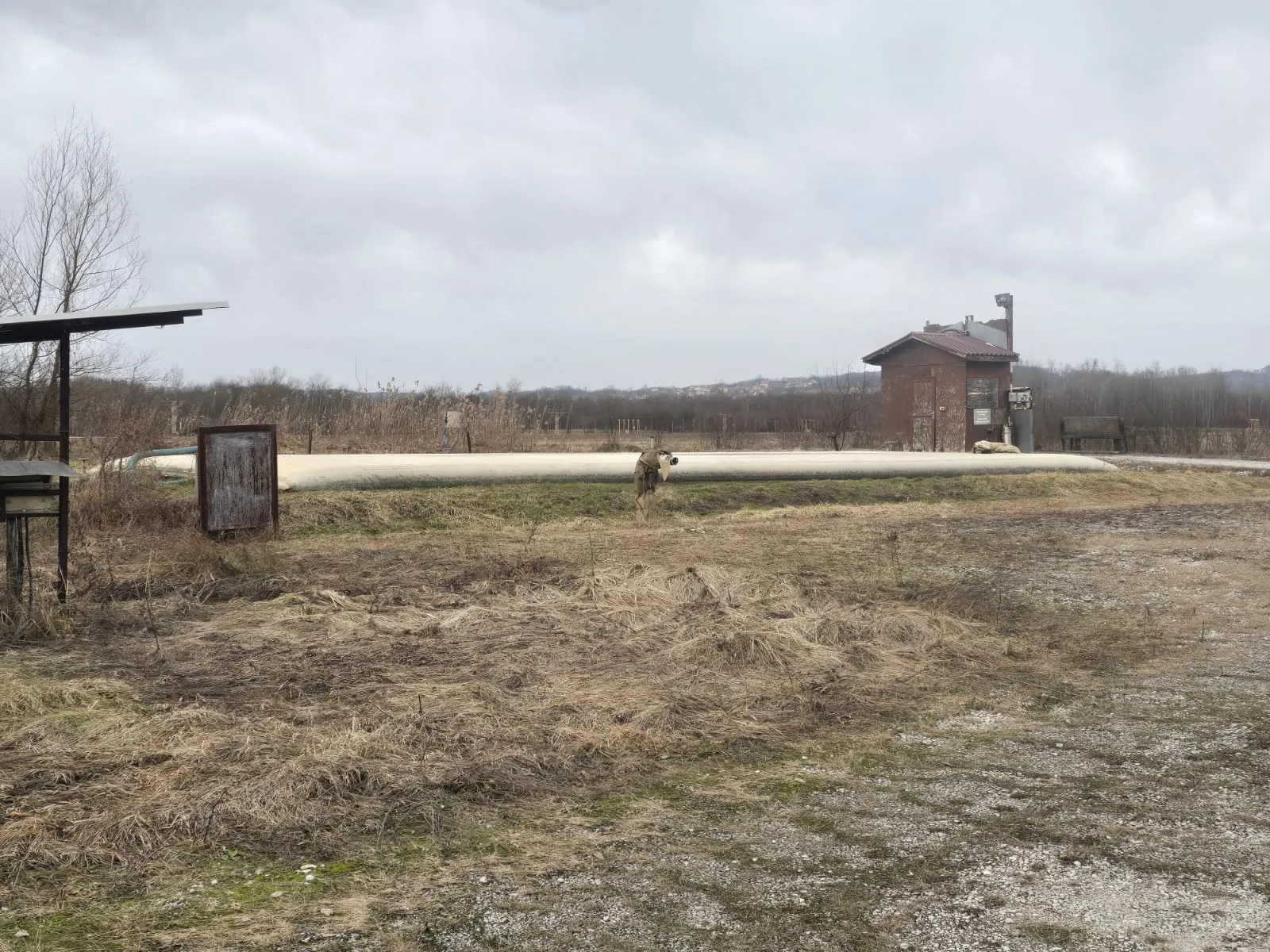
 Dubrave Barracks
Dubrave Barracks is an active military complex near Živinice, with vehicle-maintenance facilities, a fuel station, oil and equipment stores and an old water-supply plant. Deep soil, sediment, surface water and groundwater were tested. No parameter reached a level indicating a need for cleanup, but cadmium, nickel and selenium, along with legacy pesticides, were above the level at which soil is no longer considered clean. Visible oil pollution was observed in the field in a stream beside the vehicle-maintenance area, and the report recommends a more detailed analysis of the water.
Details -
 Above remediation value
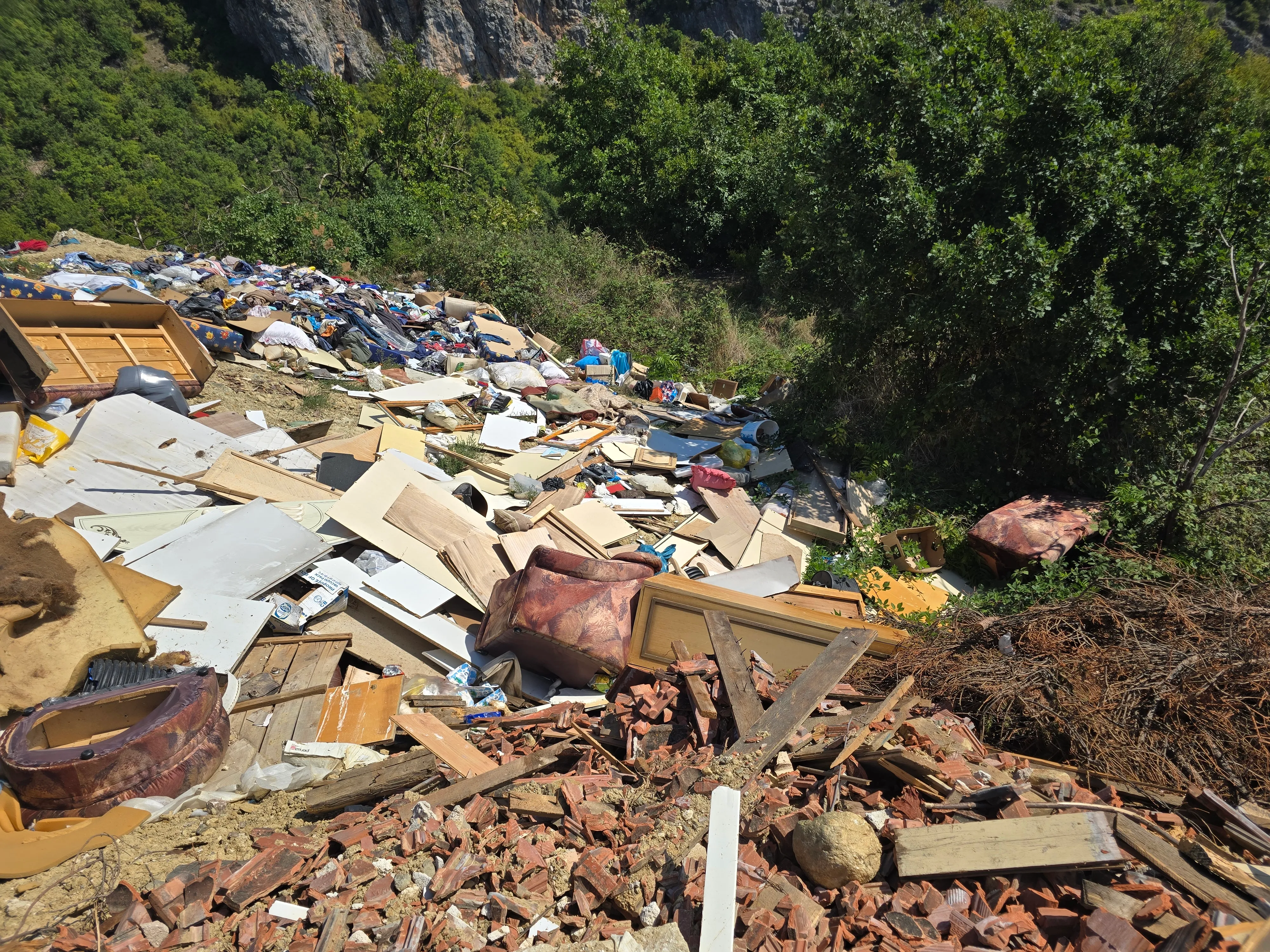
 Duratovačko Polje Landfill
An abandoned, unremediated municipal waste landfill near Kotor Varoš, formally out of use but still occasionally used for unauthorised dumping. Preliminary testing of soil, subsoil and water found selenium in the subsoil at a level indicating that cleanup is needed, along with several metals and pesticide residues above the level at which soil is no longer considered clean. The general conclusion of the report is that the location requires further detailed analysis.
Details -
 Above remediation value
 Duška Kosa Landfill
Duška Kosa is a non-sanitary municipal dump near Prozor that has been in informal use for about half a century. Waste is pushed over a cliff and slides down a steep slope, a drop of some 40 metres, all the way to the Prozorčica stream at the bottom — a tributary of the river Rama, which lies about 300 metres downstream and has farmland along its banks. Alongside municipal waste, industrial waste (paint and lacquer packaging, aerosol cans) and tyres were observed on site, with frequent open fires. Testing revealed heavy soil contamination: zinc across all the tested soil, and copper and cobalt in the surface layer, were above the level indicating that cleanup is needed; in the deeper soil, selenium was sharply exceeded at one point. The river-Rama water sample nonetheless met all the prescribed limits.
Details -
 Above remediation value
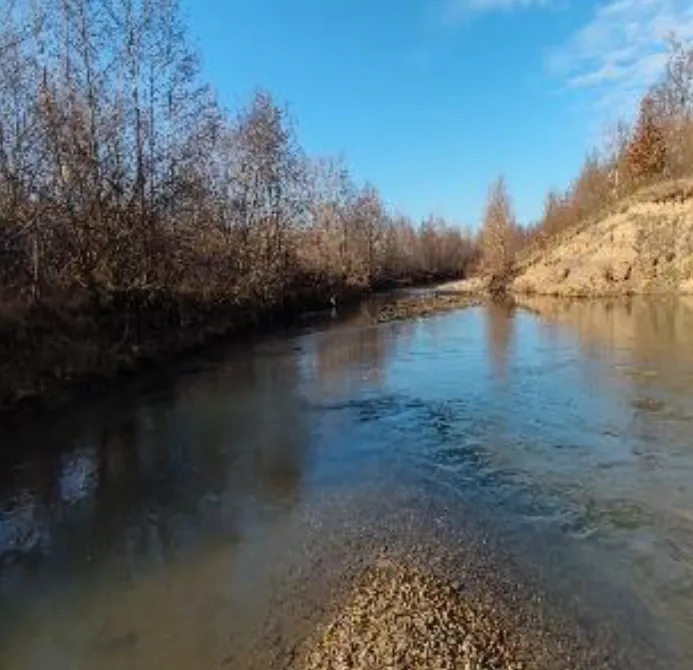
 Eastern Waste Dump – ArcelorMittal Omarska
The site is the eastern dump of solid waste rock from the ArcelorMittal iron-ore surface mine in Prijedor, covering about 92 hectares east of the active pit. It is a large filled platform with no residential or business buildings and minimal vegetation, part of the wider mining complex. The dump lies about sixty metres from the river Gomjenica. Testing found selenium in the dump soil and in the river sediment at a level indicating that cleanup is needed, and in the river itself selenium and cadmium above the permitted water-quality limits. The other tested metals stayed within remediation limits, and pollution linked to oil was not found above limits.
Details -
 Above remediation value
 Ekonomija Landfill
The Ekonomija landfill was Zavidovići's municipal dump from the 1960s until its official closure in 2017, and is still occasionally used for bulky waste. It sits only about 300 metres from the river Bosna and from a public drinking-water source. Preliminary testing revealed more serious contamination: in the sediment of the watercourse draining the site, nickel and chromium reached the level indicating that cleanup is needed. Several metals were also above the level at which land is no longer considered clean, while oil- and combustion-related pollutants, and the nearby surface water, were within the prescribed limits.
Details -
 Above remediation value
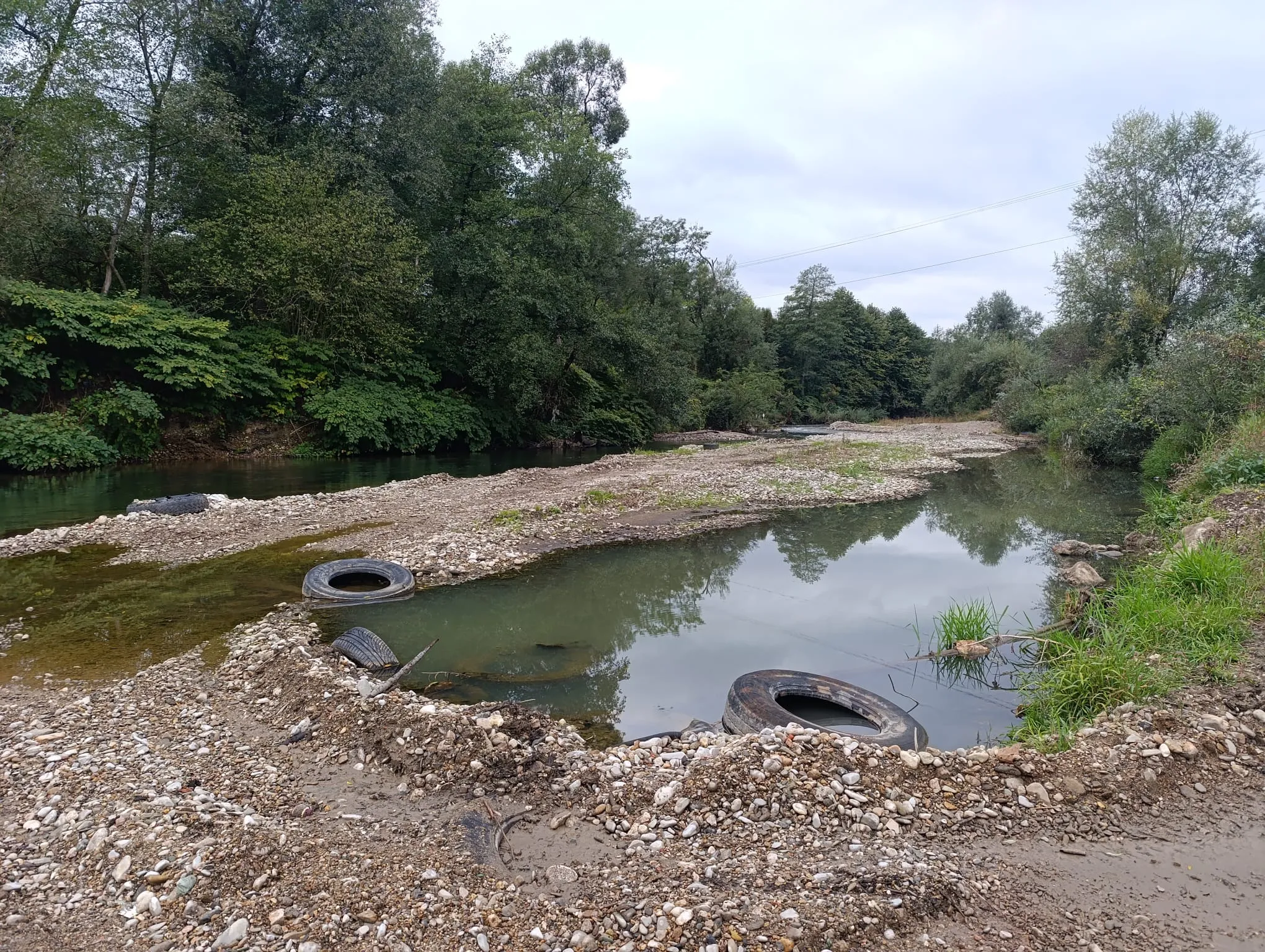
 Former Mediapan Factory
The site of the former Mediapan factory in Kaonik near Busovača was once a wood-processing plant, demolished during the 1990s; today the municipality runs a recycling yard on the grounds. The site is fenced with controlled entry and lies near the river Lašva, but without direct impact on the watercourse. Preliminary testing showed that, within the factory footprint, nickel in the surface and deeper soil reached the level indicating that cleanup is needed, while several other metals were above the level at which land is no longer considered clean. Along the Lašva bank and in the river sediment the contamination was much less pronounced.
Details -
 Above remediation value
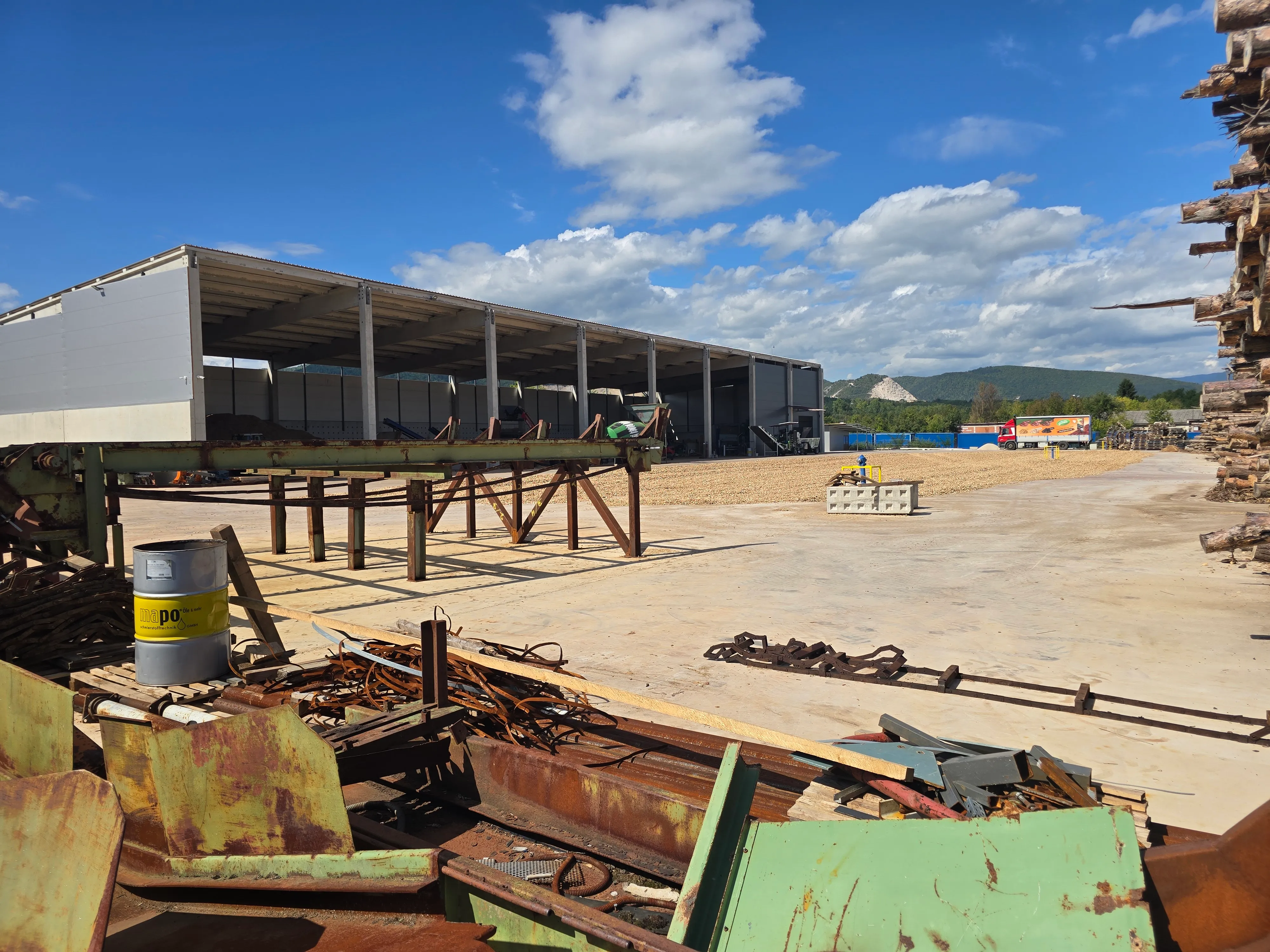
 Former PS "Vitezit" Works
The site is part of the former "Vitezit" industrial complex in the Vitez industrial zone, spanning about a million square metres. The plant was founded in the 1950s and for decades produced mainly military-purpose materials — rocket fuels, industrial explosives and detonating cord — with a later PVC-processing line. After bankruptcy the land was parcelled and privatised; the surveyed part is today owned by the company Bioenergy and is used for material storage and pellet production. The Prala stream runs through the middle of the site, flowing downstream toward farmland and housing and into the river Lašva. Testing found selenium in the soil and in the stream sediment at a level indicating that cleanup is needed, and cadmium above the permitted limit in the stream water and in the on-site well. Several metals were also above the level at which land is no longer considered clean, while pollution linked to oil, solvents and explosives was not found above limits.
Details -
 Above remediation value
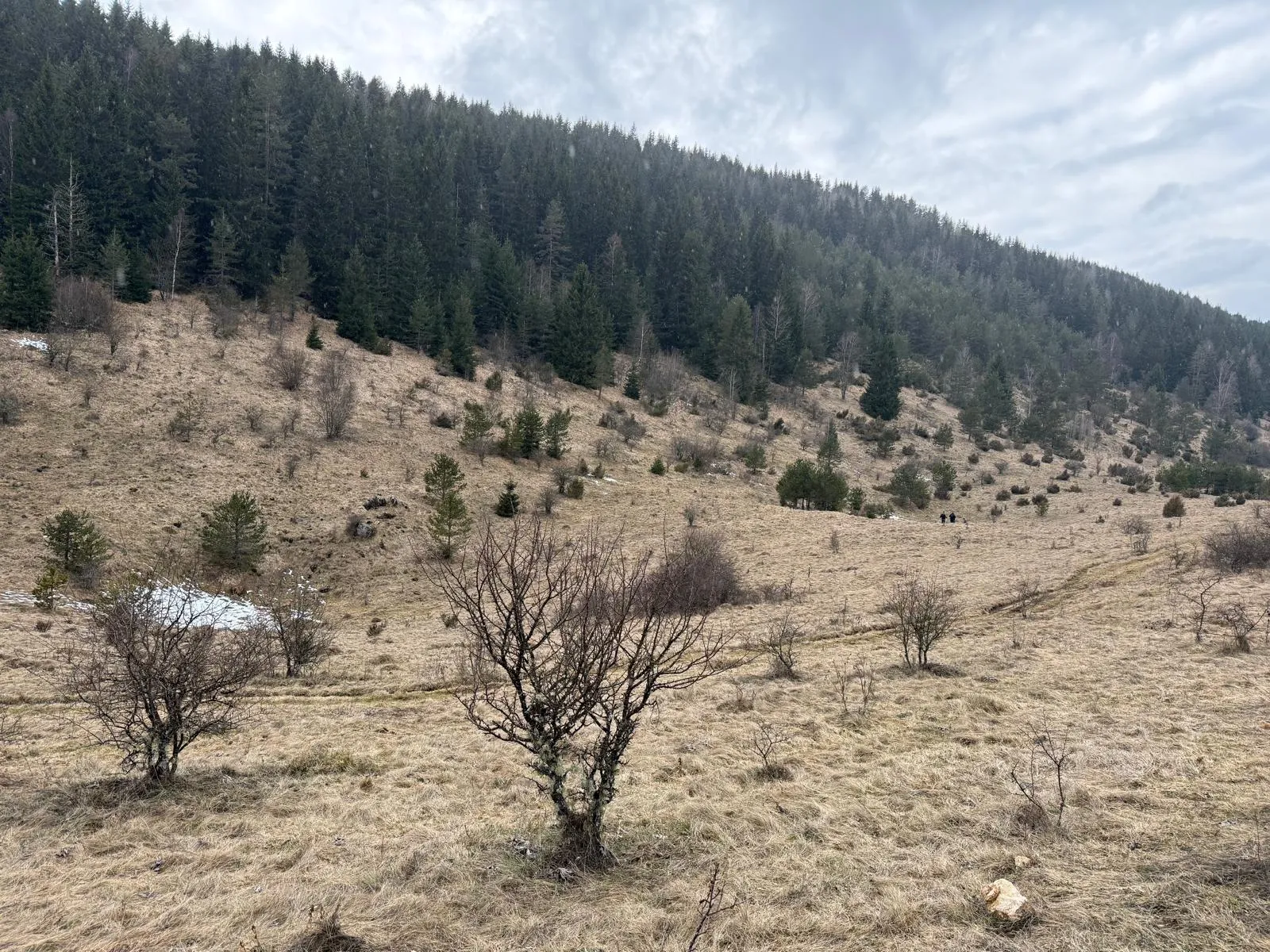
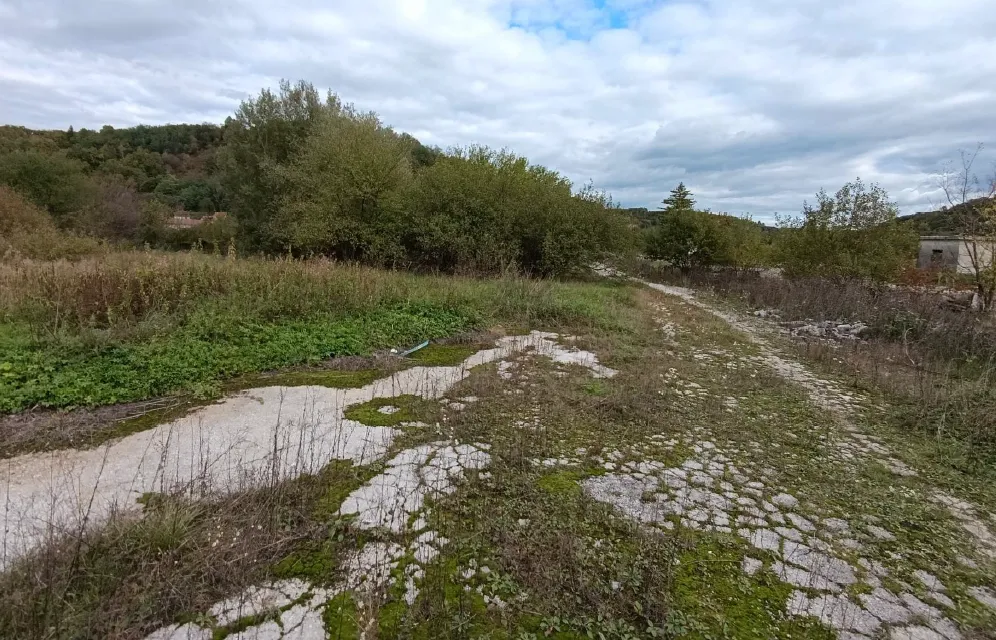
 Former Sokolac Military Range
Former military range in the Sokolac municipality. Preliminary testing of soil, subsoil and groundwater found elevated copper and some other metals in the soil, along with some pesticide residues, while the groundwater sample was clean. The general conclusion of the report is that the location requires further detailed analysis.
Details -
 Above remediation value
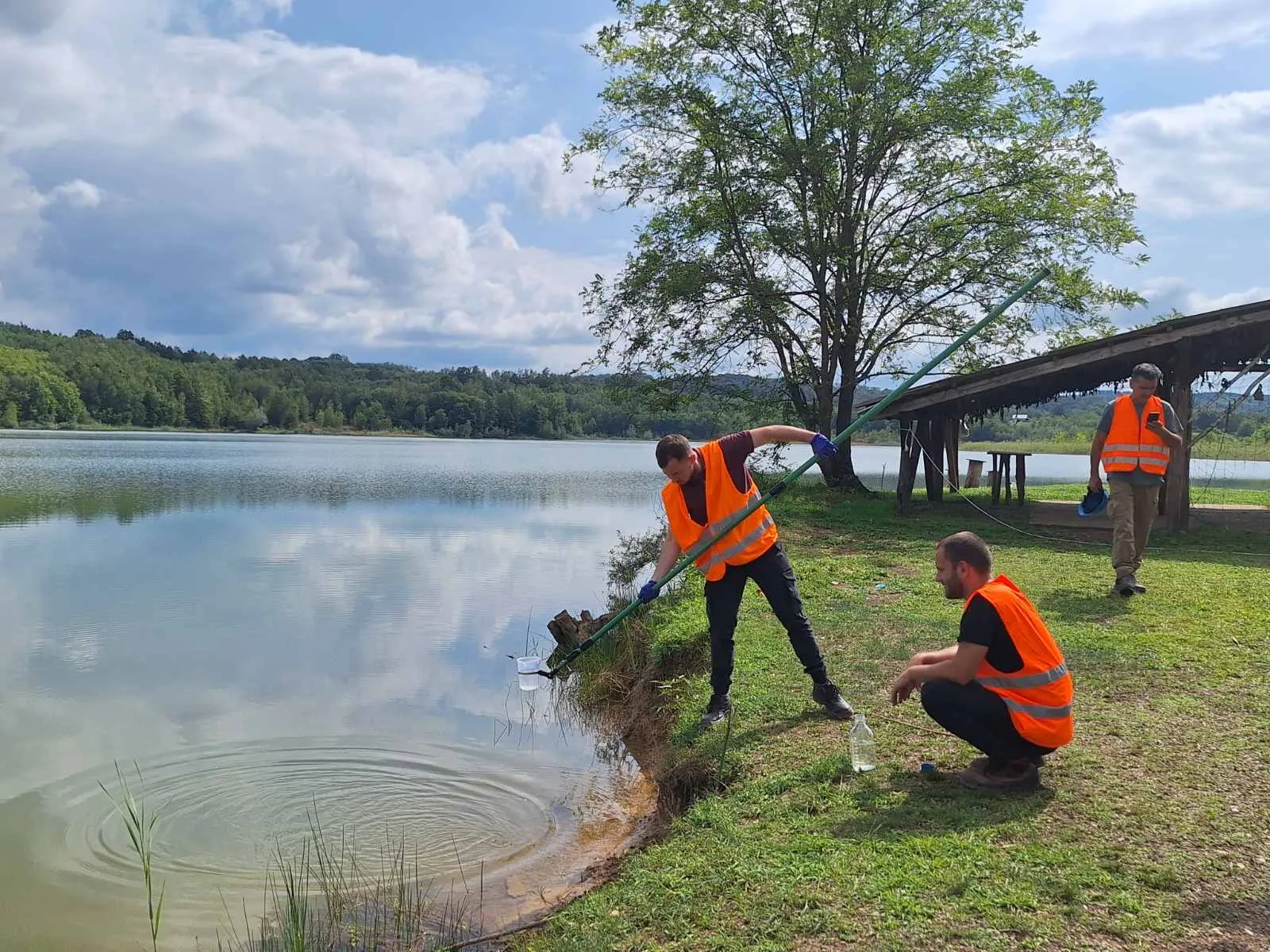
 Former Šumatac Poultry Farm
Šumatac is an abandoned industrial site near Velika Kladuša, a former Agrokomerc chicken farm of about 27,600 m². The buildings are gone, but the remains of large steel-frame halls are visible and the ground is derelict and littered with construction waste. Loose fragments of glass wool and asbestos-containing material were seen on the soil surface, posing a direct environmental and health risk. The site lies about 50 metres from a watercourse, within a flood-prone area, and about 200 metres from a drinking-water source. Soil and water were tested. In one part of the surface soil, zinc exceeded the level indicating that cleanup is needed; cadmium and nickel were above the level at which land is no longer considered clean throughout the soil, and legacy agricultural pesticides were found in the surface layer. The water sample met all the prescribed limits.
Details -
 Above remediation value
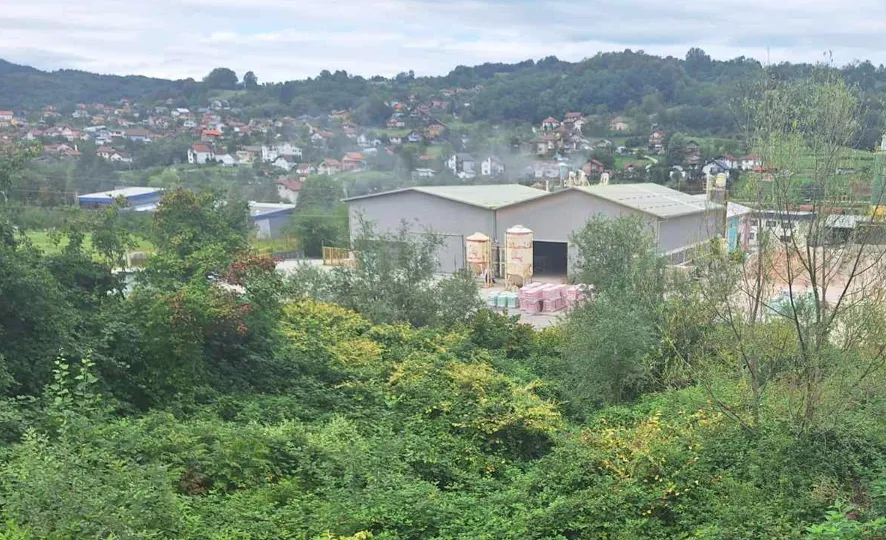
 Gradina Sludge Impoundment – ArcelorMittal Omarska
The site is the Gradina sludge impoundment, an industrial facility for depositing sludge from iron-ore processing within the ArcelorMittal mining complex in Prijedor. It was formed by building an earthen dam across a natural valley, creating a closed basin for settling sludge over about 119 hectares, almost without vegetation and with no residential buildings. This is the most contaminated of the three surveyed sites in the complex: in the deposited material, copper, nickel and cadmium reached a level indicating that cleanup is needed, and selenium reached that level in part of the deposits and in the lake sediment. In the impoundment lake several metals were above water-quality limits, while pollution linked to oil stayed within limits.
Details -
 Above remediation value
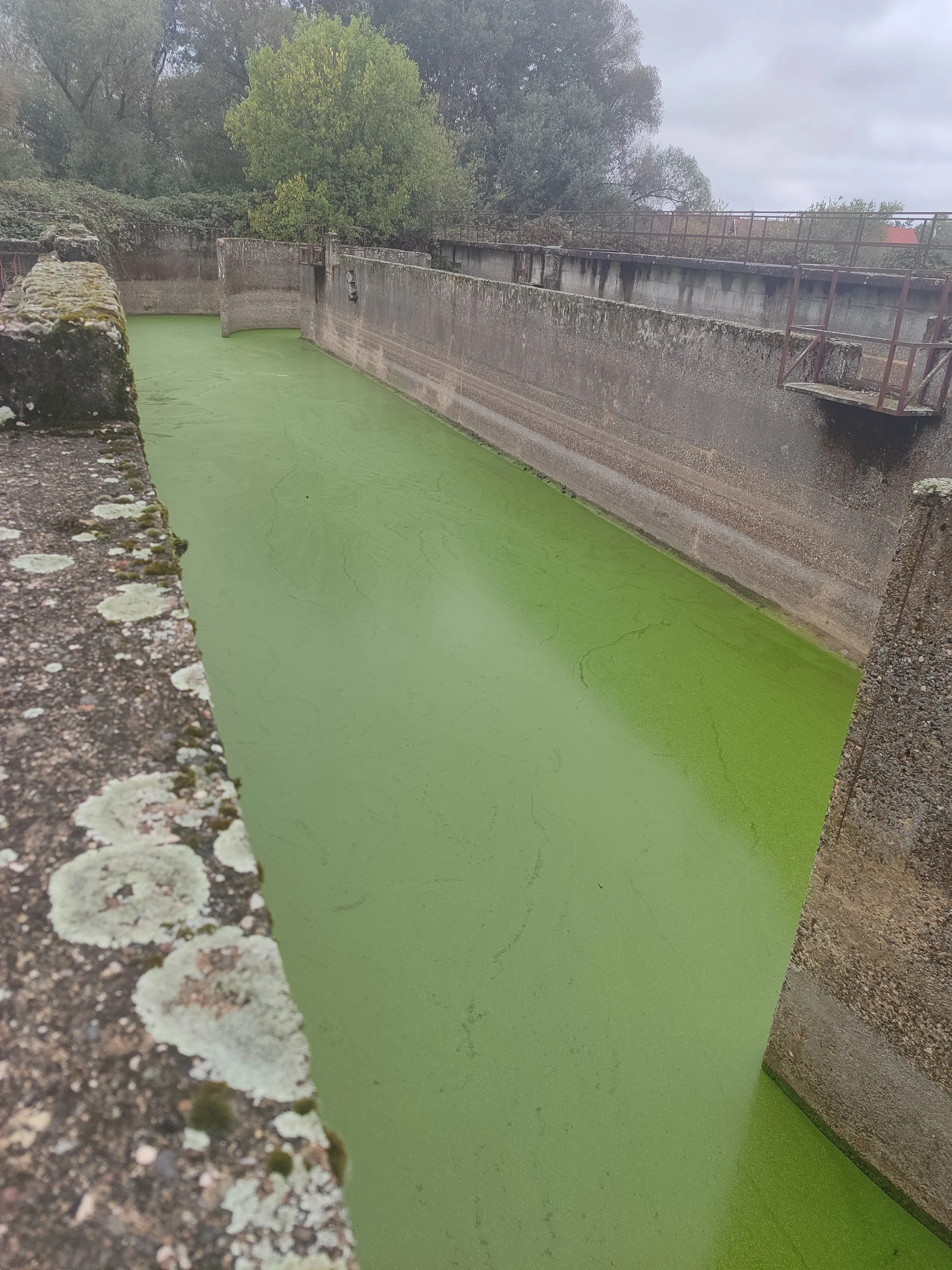
 Holujaci Landfill
Holujaci is the municipal-waste landfill of Višegrad — unfenced, without basic infrastructure and with frequent burning of waste; it sits immediately beside the Višegrad lake on the Drina, less than fifty metres from the shore. Soil and sediment were tested. Nickel reached a level indicating a need for cleanup in the surface soil and in the sediment of a former streambed, and copper and zinc in the sediment. Oil-related pollution was within the prescribed limits in every sample.
Details -
 Above guideline value
 HPK Draksenić
HPK Draksenić is a large corn-processing chemical plant — a factory for starch, starch derivatives and syrup — in the Draksenić settlement near Kozarska Dubica, on flat, mostly agricultural land beside a main road. The complex covers about fifteen hectares and lies over a shallow, highly sensitive aquifer that flows toward the river Sava. Soil testing showed that cadmium and nickel across the plant grounds, and cobalt and chromium in places, were above the level at which land is no longer considered clean, while the soil by the greenhouse also held elevated legacy pesticides — but no substance reached a level indicating a need for cleanup. In the plant's wastewater, lead and iron exceeded the permitted limits.
Details -
 Above remediation value
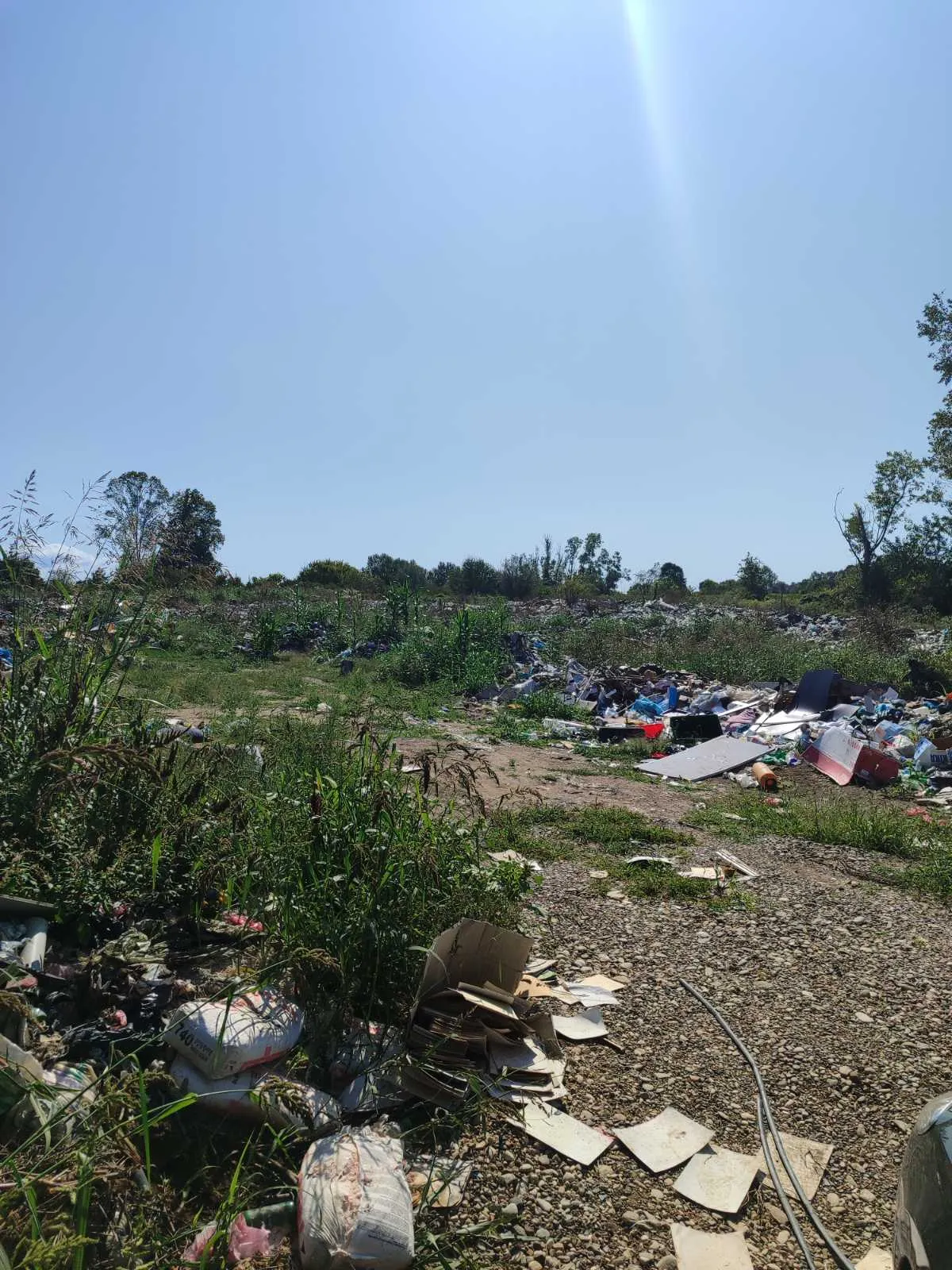
 Klađe Landfill
Klađe is a former municipal-waste landfill outside the settled part of Srbac municipality, near the river Vrbas; it is now inactive and out of function. Soil, sediment and water were tested. Cadmium reached a level indicating a need for cleanup in several places — at the edge and lowest point of the landfill, in the deeper soil and in the sediment — and cobalt in the sediment. The surface water at the lowest point of the landfill was heavily polluted with nickel and oil-related pollution, while lead exceeded the limits even in the river Vrbas.
Details -
 Above remediation value
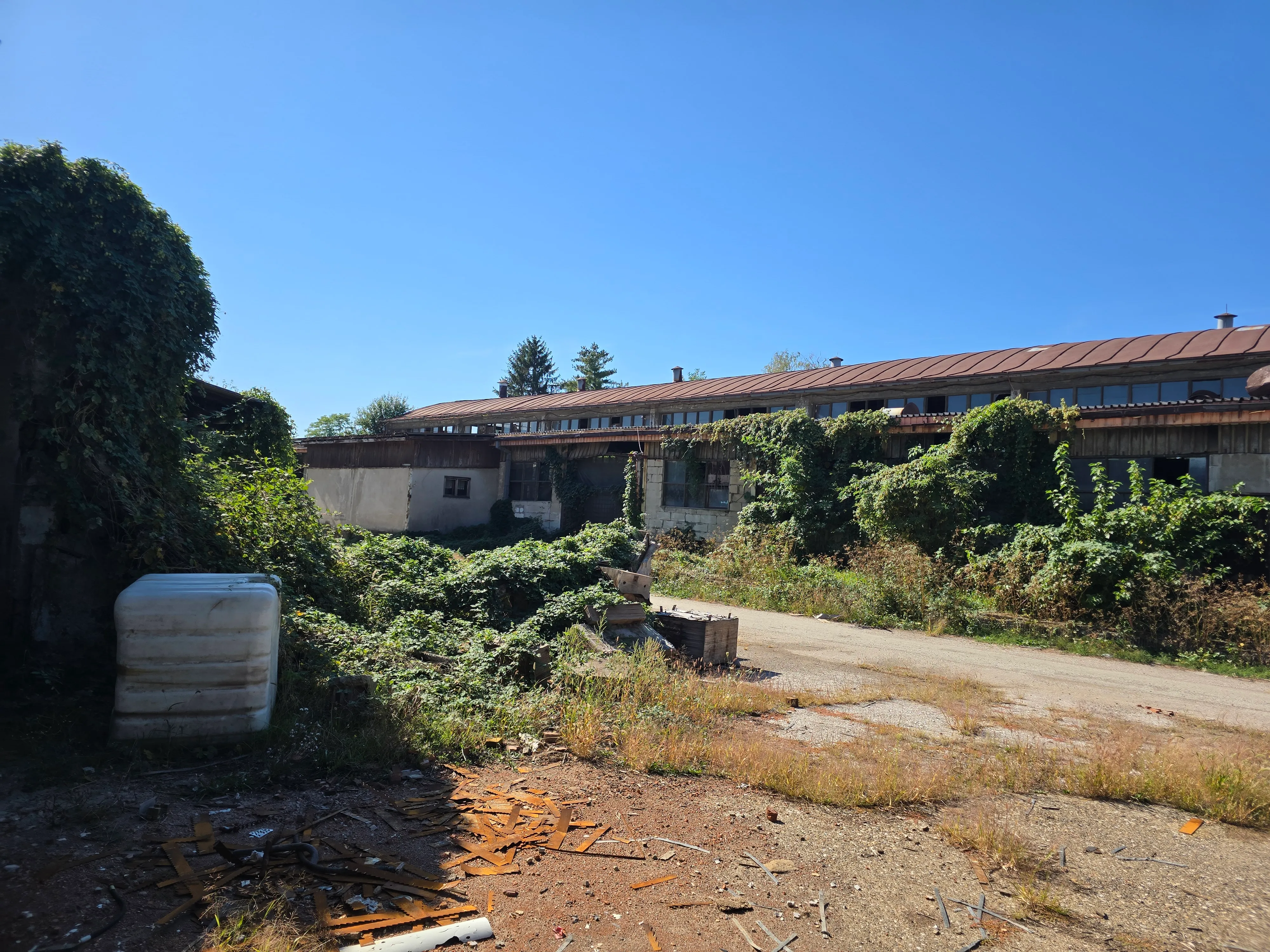
 Konjuh Industrial Complex
A former wood-processing and furniture complex in the Živinice industrial zone, today largely abandoned with several derelict buildings. Extensive testing of soil and subsoil found widespread heavy-metal contamination — nickel was at a level indicating that cleanup is needed in every sample — together with very high combustion-related pollution in one sample. The general conclusion of the report is that the location requires further detailed analysis.
Details -
 Above guideline value
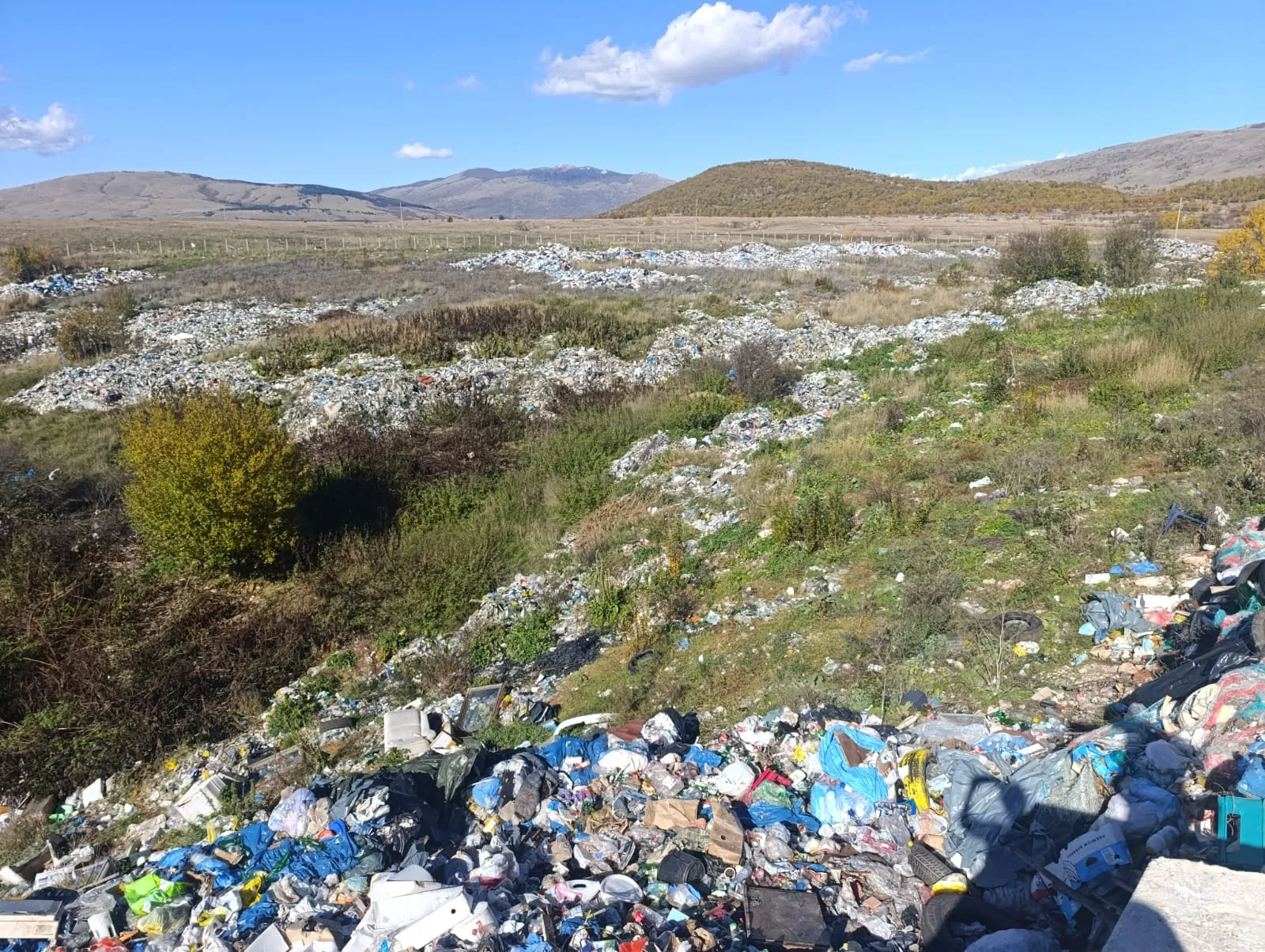
 Korita Landfill
Korita Landfill is the municipal waste disposal site of Bosansko Grahovo, with a dedicated concrete cell for animal waste. Preliminary testing of soil and subsoil found elevated concentrations of several metals, above the level at which soil is no longer considered clean, while no finding reached the level indicating that cleanup is needed. The general conclusion of the report is that the location requires further detailed analysis.
Details -
 Above guideline value
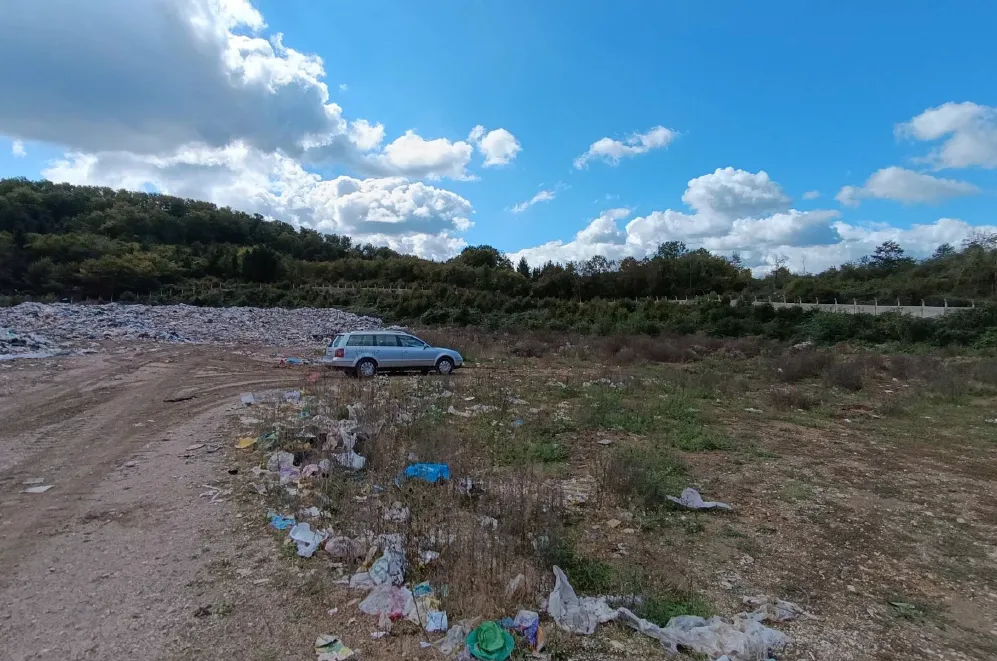
 Krasulje-Peći Landfill
Krasulje-Peći is an active municipal-waste landfill north of Ključ, about 7,500 m² in size, reached by a gravel road off the M-15 main road. Waste is still tipped, compacted and covered here, with some hand-sorting on site. It sits on karst limestone-dolomite bedrock of medium-to-high permeability, above fissured aquifers with rapid subsurface flow, and there is no leachate-collection system. The nearest watercourse, the river Sana, is about 5 km away and the Krasulje drinking-water source about 1.5 km. Only soil was tested. The findings show moderate contamination: cadmium, nickel and cobalt were above the level at which land is no longer considered clean, but no parameter reached the more serious level that would require cleanup.
Details -
 Above remediation value
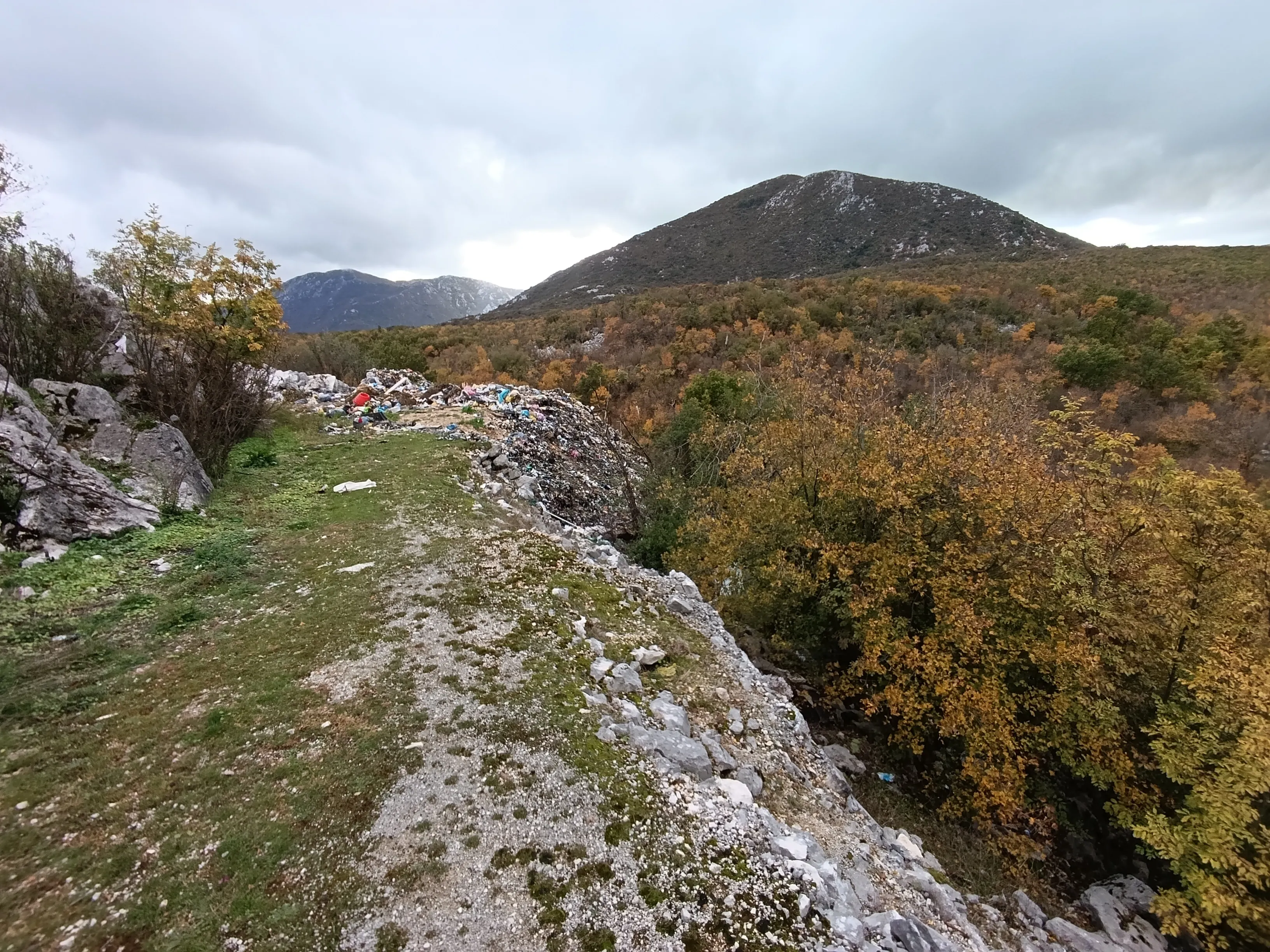
 Ljubinje Landfill
Ljubinje is a local municipal-waste landfill beside the Ljubinje–Trebinje main road in Miljanovići, receiving waste from across the municipality. The terrain is strongly karstic and waterless, so most rainfall sinks underground. A single surface-soil sample was tested and showed serious contamination: cadmium, cobalt and nickel reached a level indicating a need for cleanup, and chromium was above the level at which land is no longer considered clean. Oil, lead, copper, zinc and combustion-related compounds were within the prescribed limits.
Details -
 Above remediation value
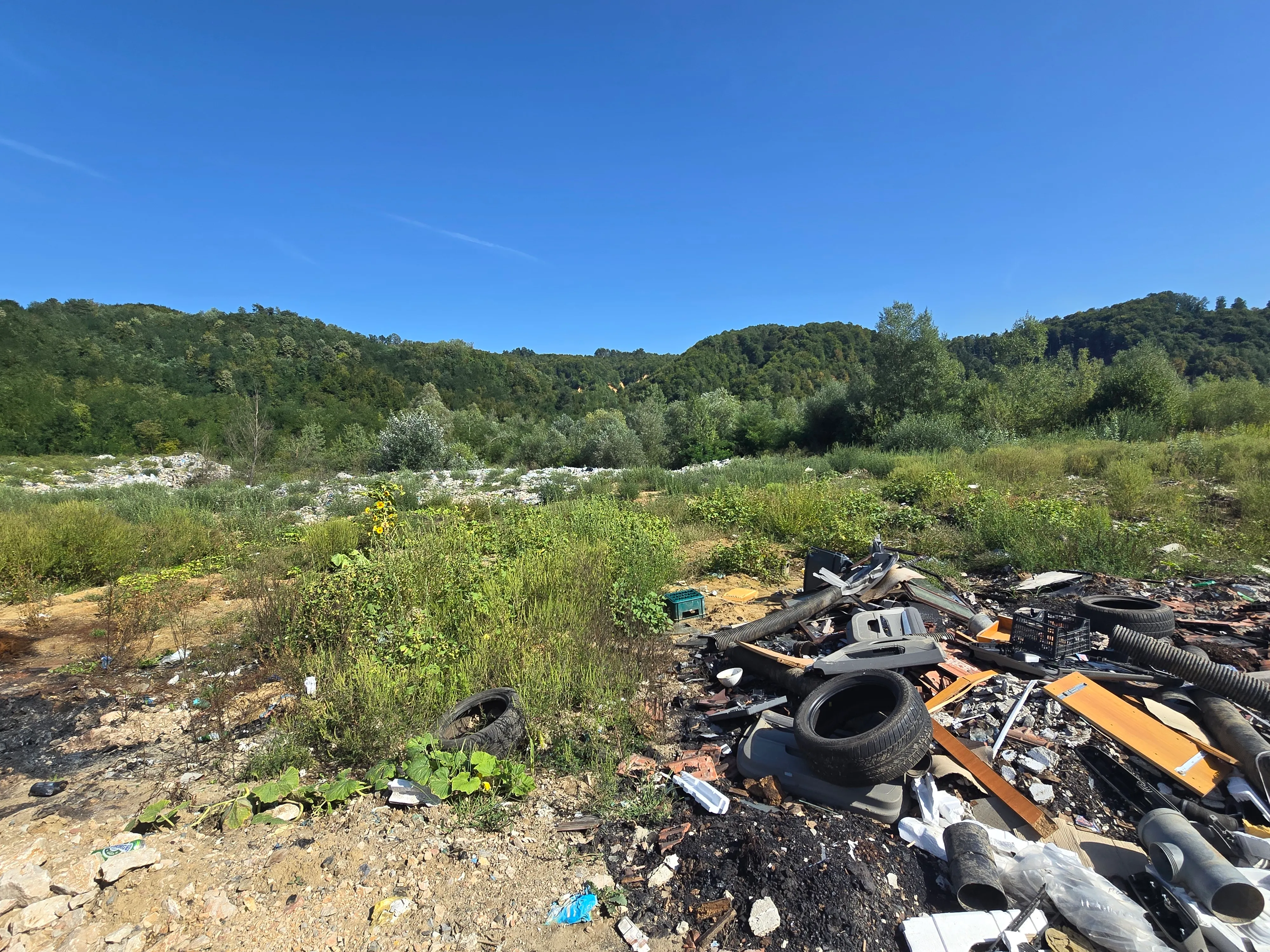
 Lukavačka Rijeka Landfill
The non-sanitary municipal Lukavačka Rijeka landfill, also known as Potočari, sits within the boundaries of a former coal surface mine near Lukavac and has received municipal waste for decades although it is no longer permitted to. Preliminary testing revealed more serious contamination: in the deeper soil layer and in the sediment of a nearby channel, nickel reached the level indicating that cleanup is needed, and so did selenium in the deeper soil. The site has a leachate lagoon and a constructed-wetland treatment system that, according to the city, is not fully functional. The leachate sample nonetheless met the prescribed limits.
Details -
 Above remediation value
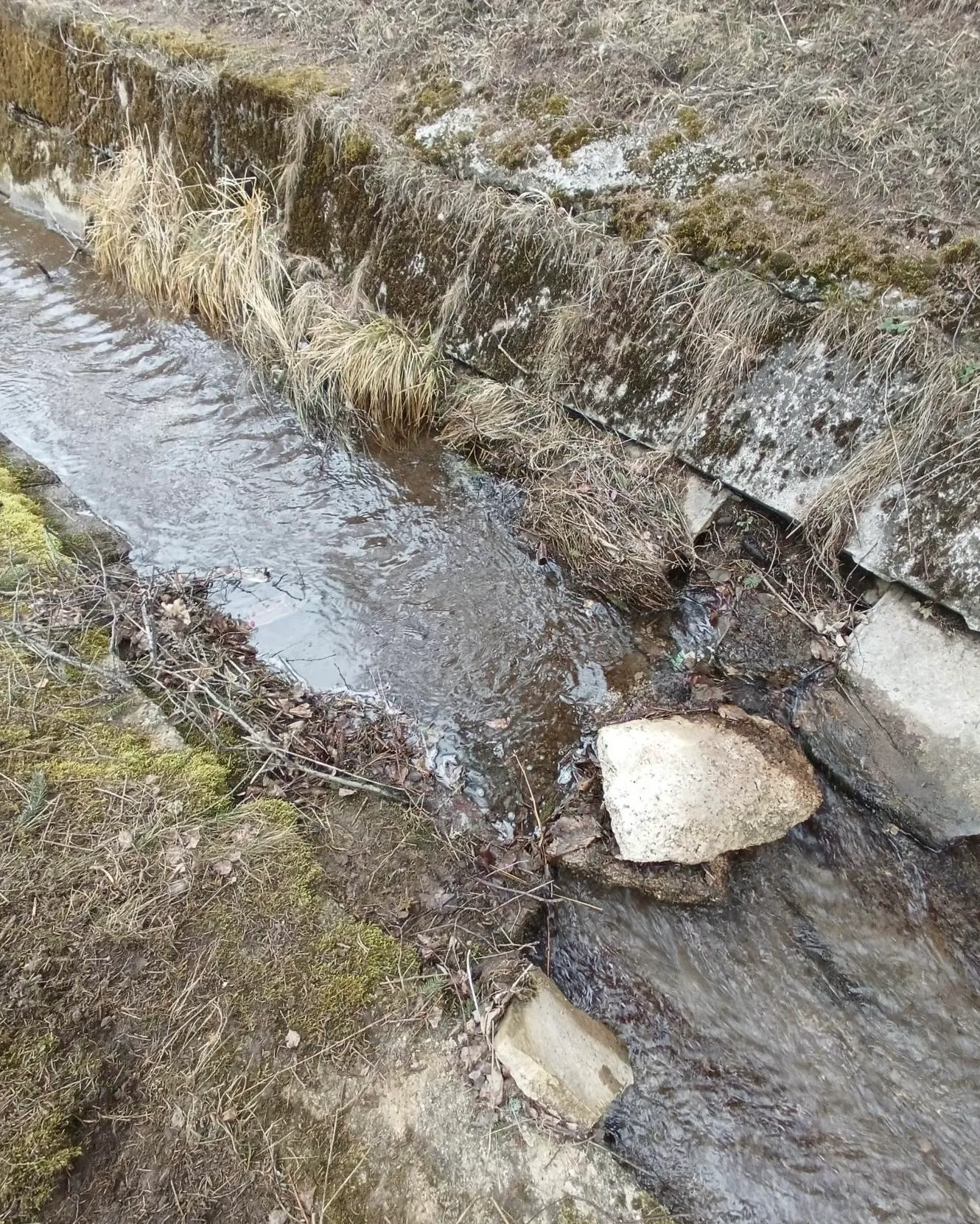
 Manjača Military Training Range (Mika Bosnić Barracks)
The Manjača range is the largest and most important military training range in Bosnia and Herzegovina — a vast karst plateau owned by the Ministry of Defence, used for decades for training, tactical exercises and live firing. Soil and water were tested. In the soil of the heavy-infantry firing zone, copper and lead reached levels indicating a need for cleanup, while several other metals and, in one sample, legacy pesticides were above the level at which soil is no longer considered clean. Both streams tested fully met the strictest water-quality class.
Details -
 Above guideline value
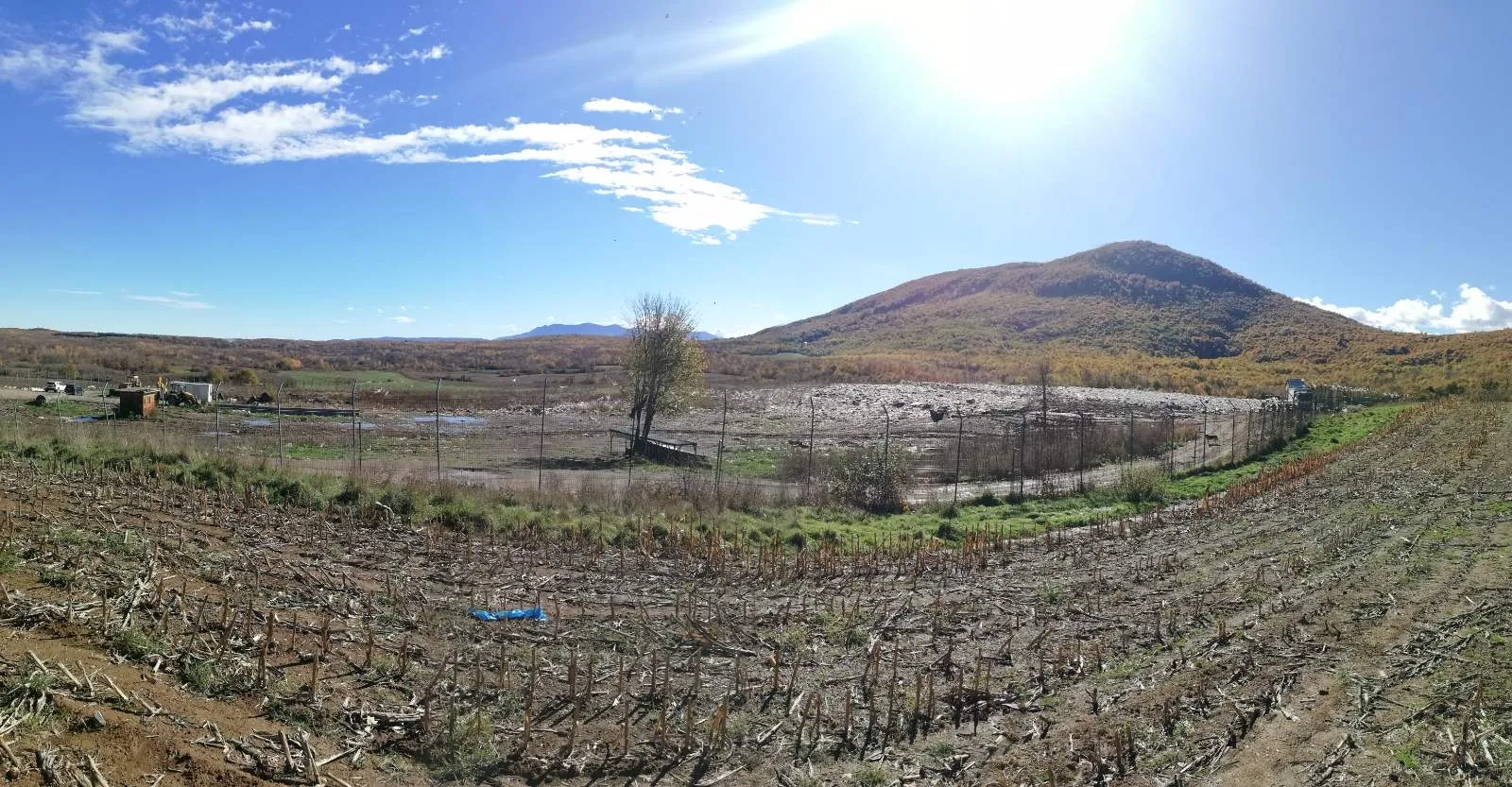
 Meždre Landfill
The Meždre landfill is a public, inter-municipal municipal-waste site near Bosanska Krupa — fenced, surrounded by farmland, and managed by the local utility company. Preliminary testing of soil, taken from both the surface and deeper layers, found several metals above the level at which land is no longer considered clean, while no finding reached the level indicating that cleanup is needed. The terrain is karst and permeable, with no system to collect or treat leachate, so the site is assessed as one that requires further monitoring.
Details -
 Above guideline value
 Mirilovići Landfill
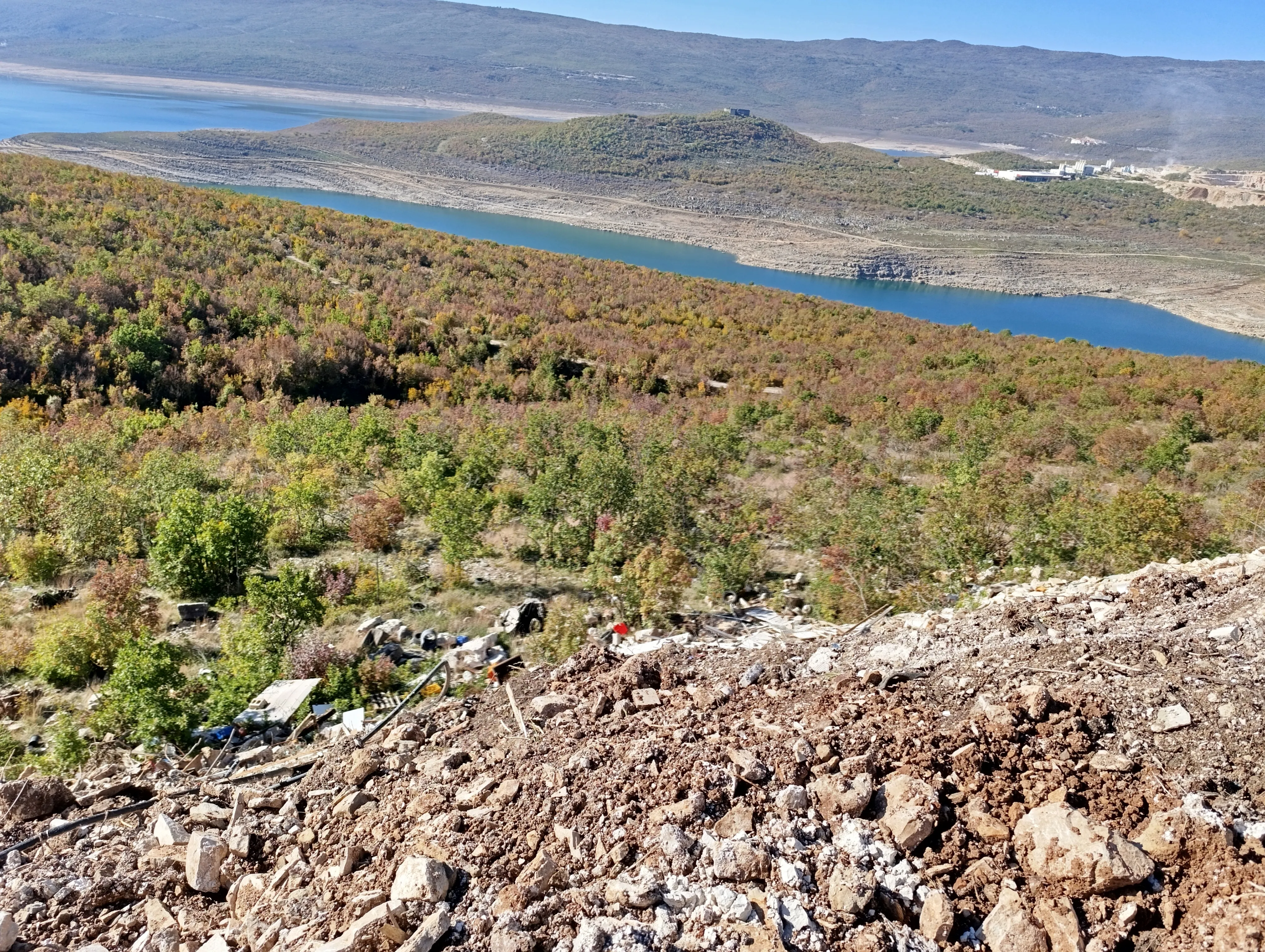
Mirilovići is a municipal landfill of the Bileća municipality, located near the village of Mirilovići on hilly karst terrain at about 570 to 580 metres above sea level. It covers close to two hectares and, according to the report, is neglected and without the necessary infrastructure. Soil testing showed that cadmium, cobalt and nickel at the upper edge of the landfill and across the road, together with zinc and chromium at the upper edge, were above the level at which land is no longer considered clean — but no substance reached a level that would indicate a need for cleanup. The lower part of the landfill was considerably cleaner. Water at the site was not tested.
Details -
 Above guideline value
 Nova Alumina
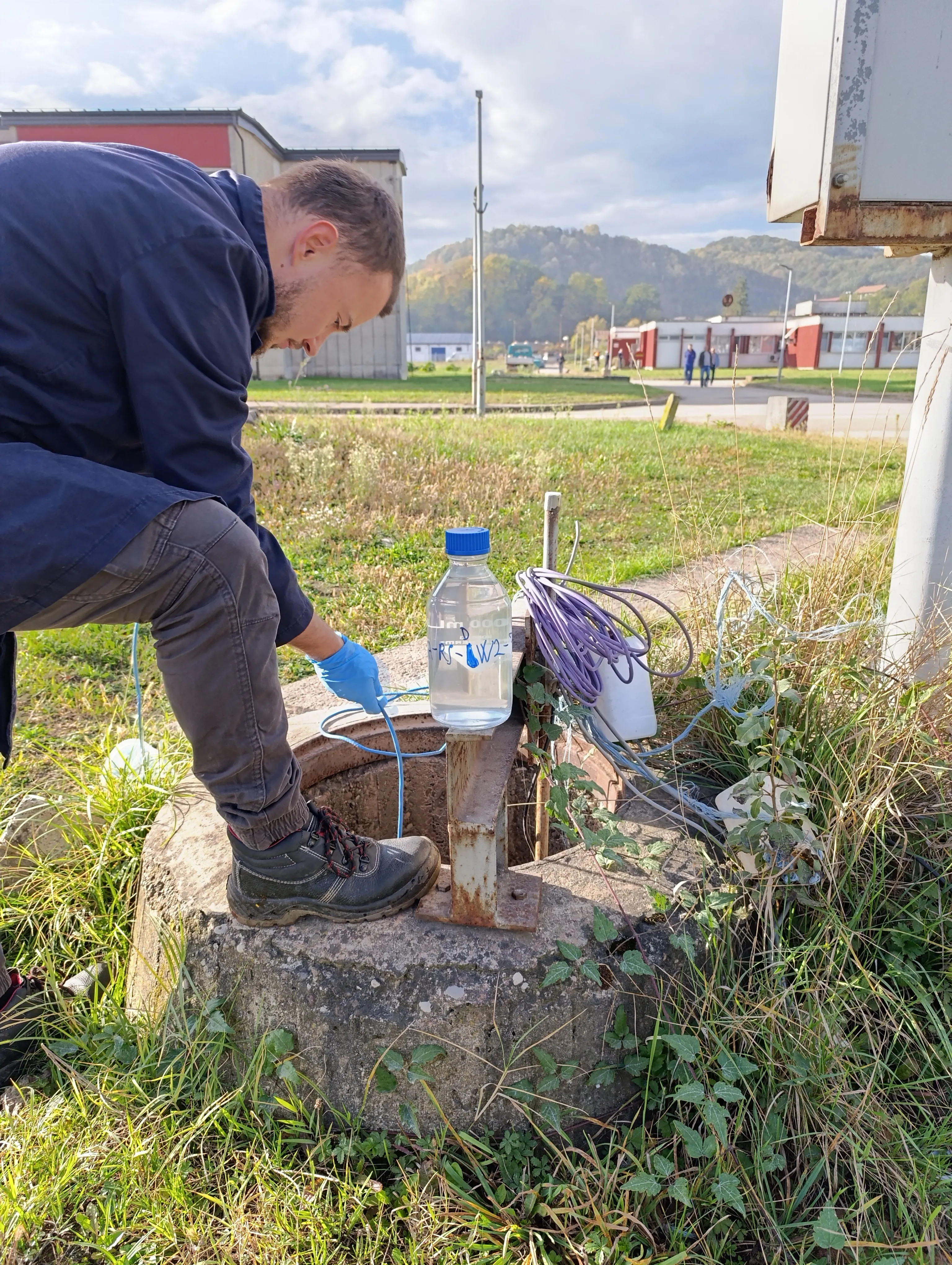
Nova Alumina is a large industrial complex in the Karakaj industrial zone, on the right bank of the river Drina north of Zvornik. It is an alumina (glinica) factory — the former "Birač" — with several production plants and power units, one of the biggest industrial complexes in the region. Soil testing showed that cadmium and chromium across the factory grounds, together with nickel and, in places, cobalt, zinc and lead, were above the level at which land is no longer considered clean — but no substance in the soil reached a level that would indicate a need for cleanup. In the water, lead exceeded the permitted limit in both the surface-water and the groundwater sample, while every other tested substance in the water stayed within limits.
Details -
 Above remediation value
 Novo Goražde Landfill
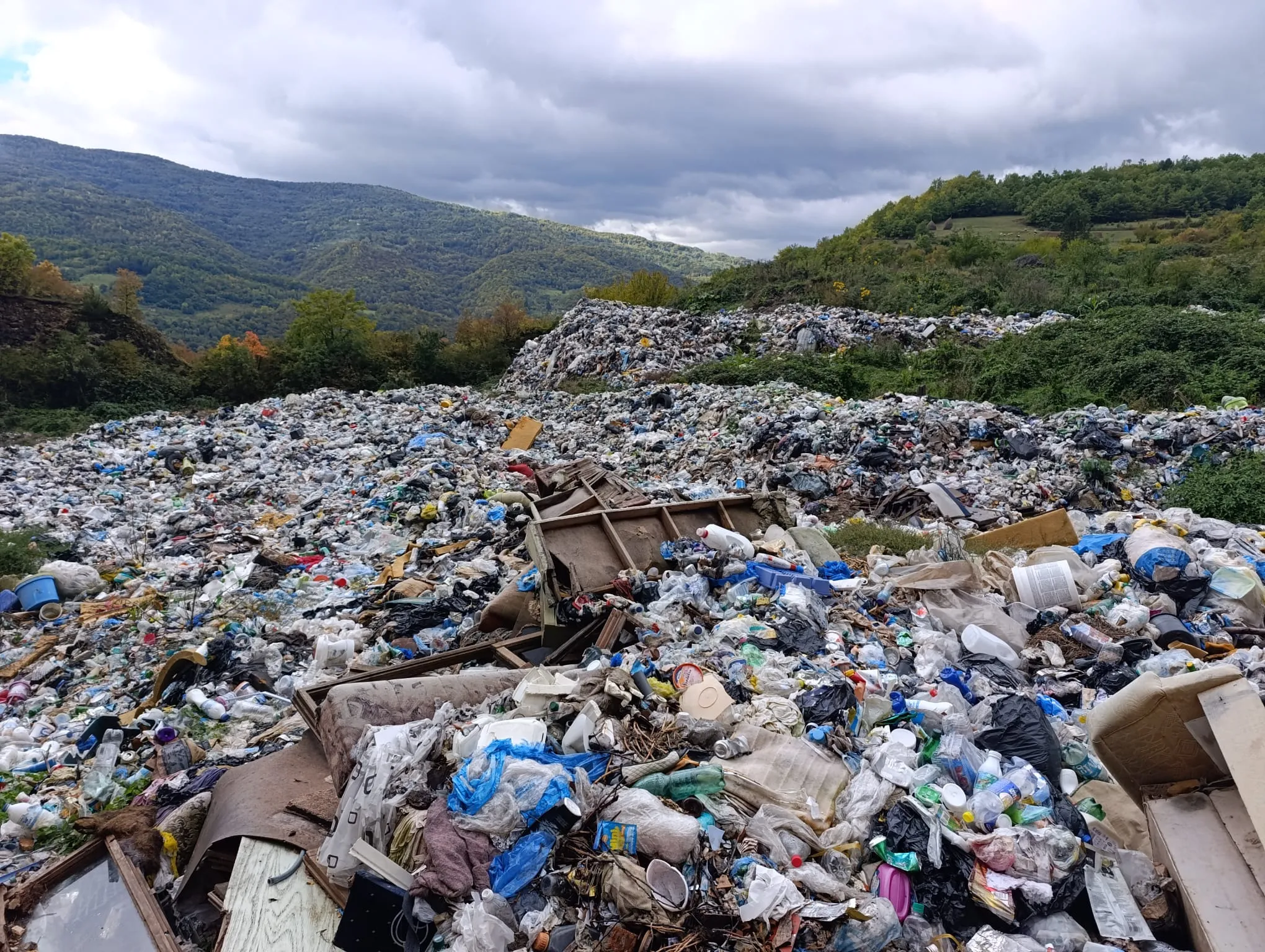
Novo Goražde is a non-sanitary landfill in Kopači, laid out on the site of an old quarry and in use since 1996–1997, receiving all types of waste. It is fenced, surrounded by forest and meadows, with farmland and the river Drina nearby. Two surface samples and one deeper soil sample were taken; the most serious findings were in the deeper layer at the lowest, burnt point of the landfill, where lead and zinc reached a level indicating a need for cleanup. Cadmium, cobalt and nickel were above the level at which land is no longer considered clean.
Details -
 Above guideline value
 Obodina Landfill
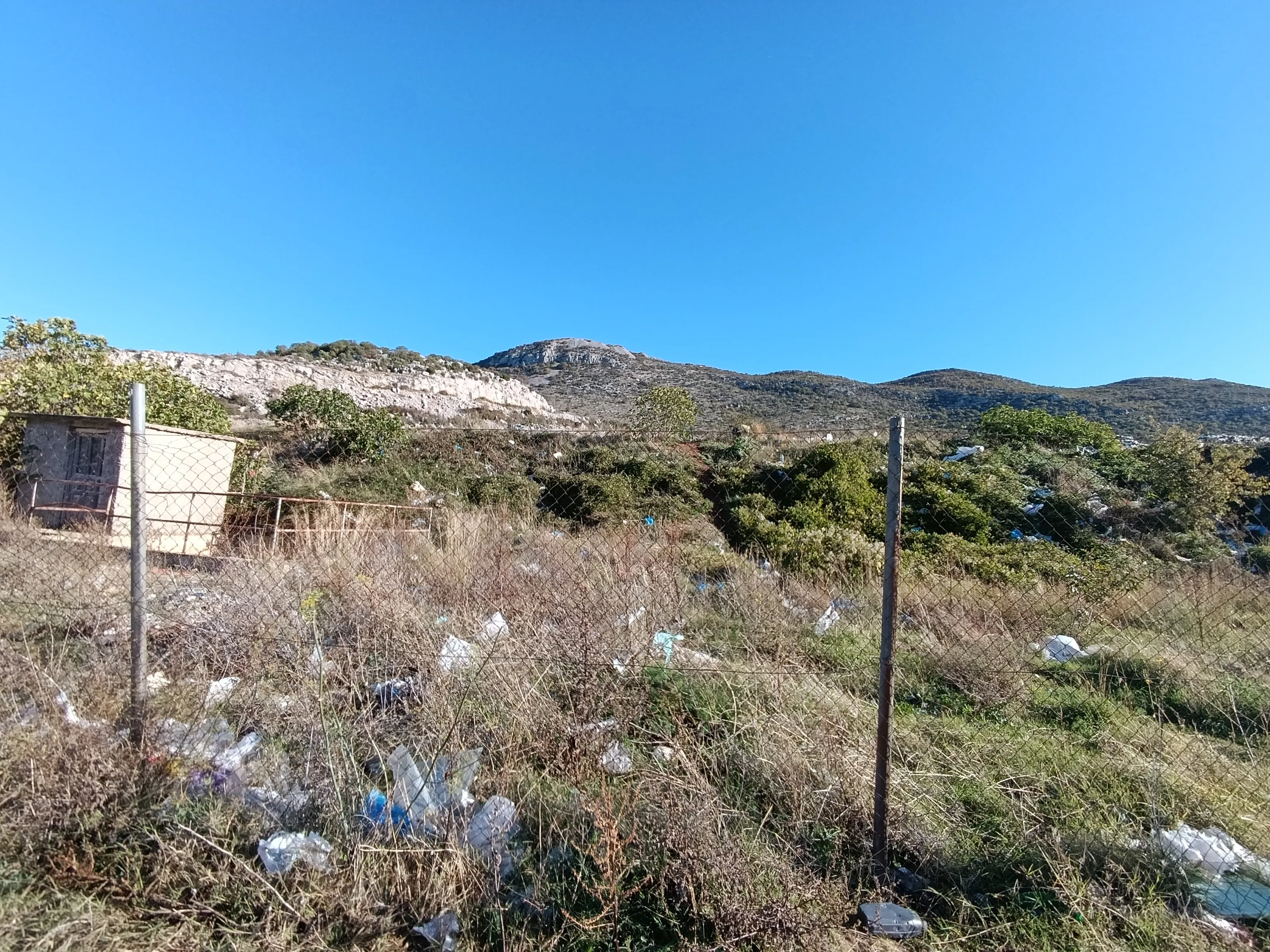
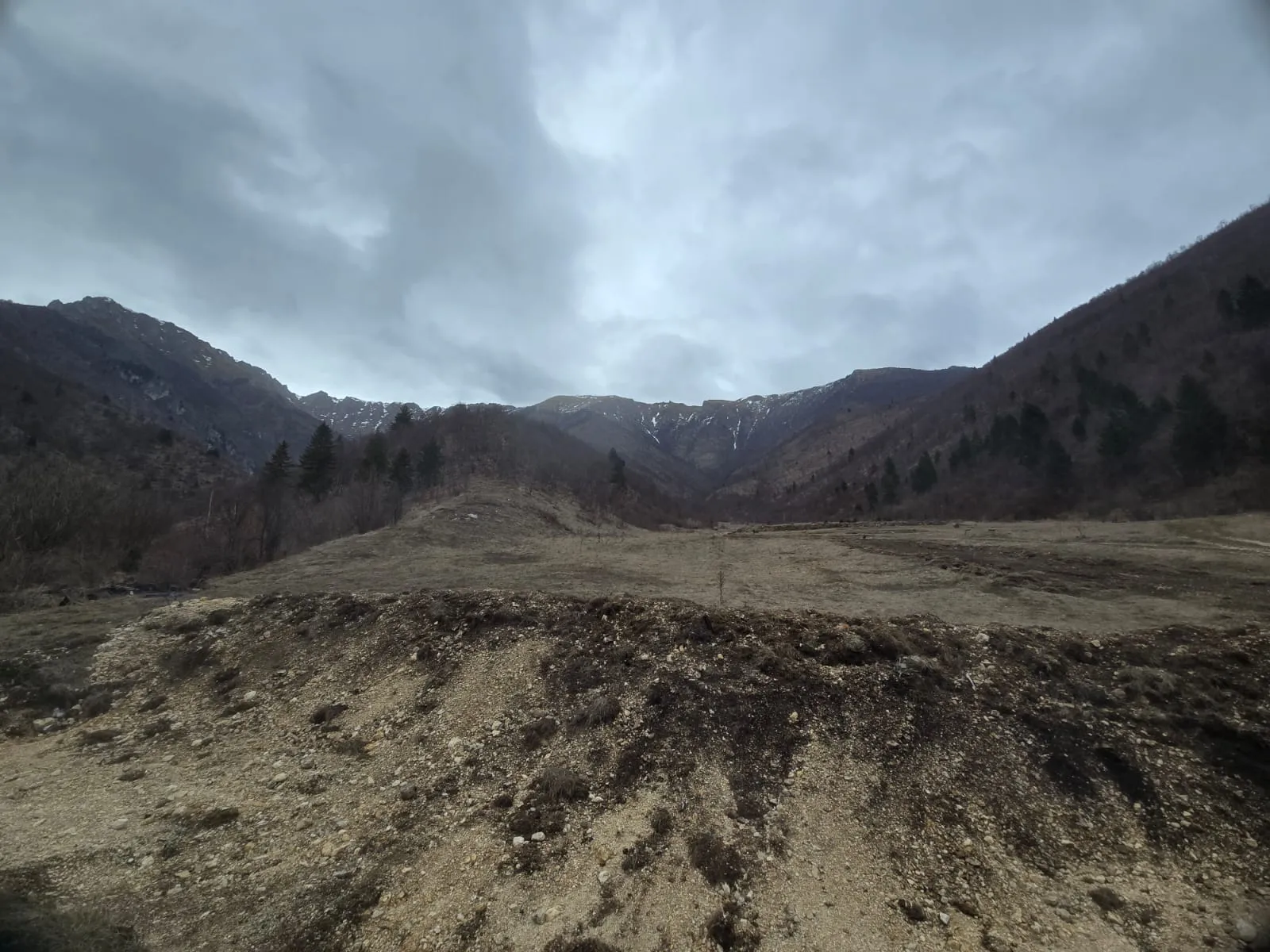
The Obodina municipal waste landfill lies just outside Trebinje and has been the city's main disposal site for decades. Preliminary soil testing found several metals, and pollutants associated with combustion, above the level at which soil is no longer considered clean, while no finding reached the level indicating that cleanup is needed. The general conclusion of the report is that the location requires further detailed analysis.
Details -
 Above remediation value
 Ovčarevo Shooting Range (Travnik Training Centre)
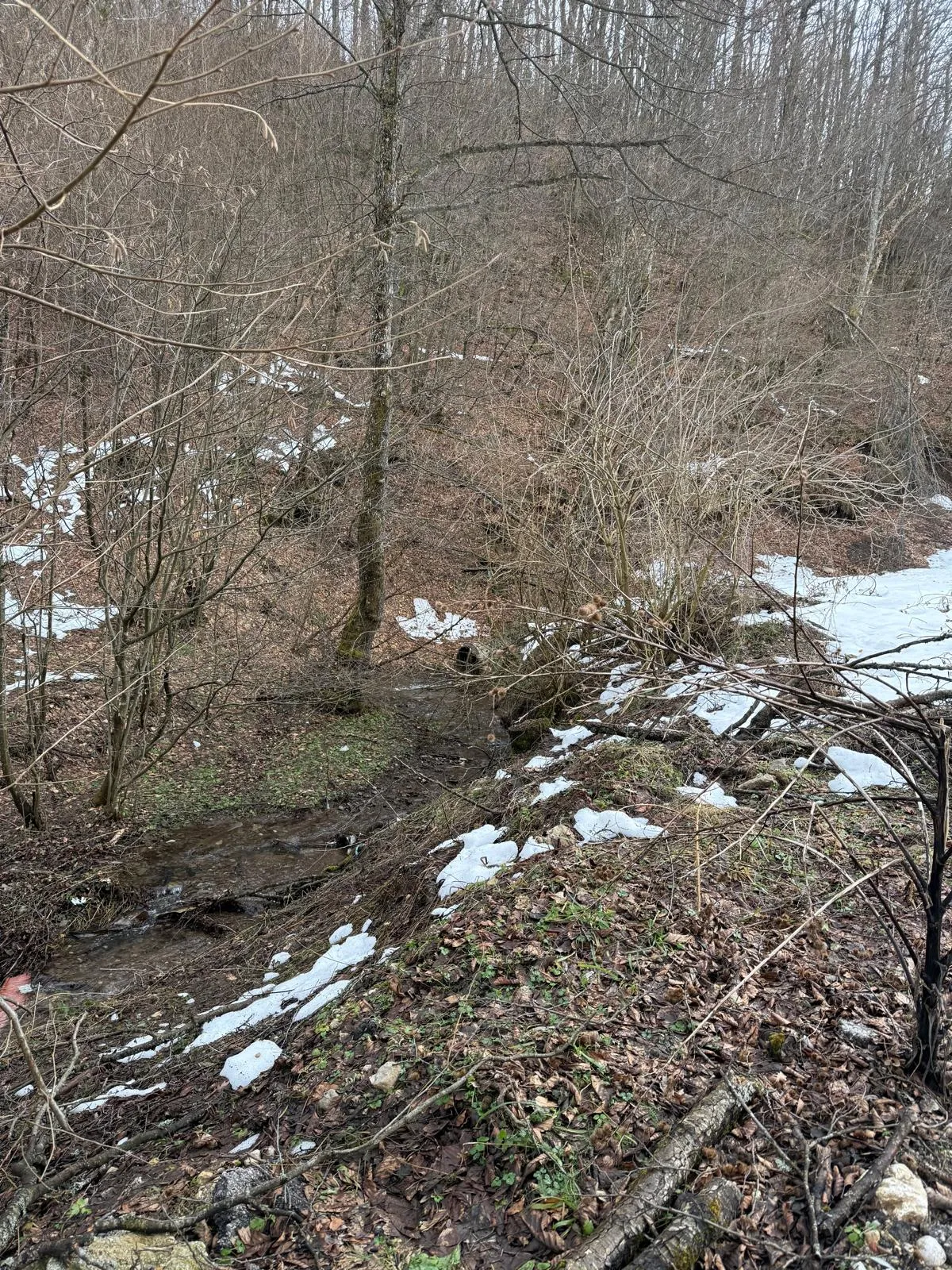
Ovčarevo Shooting Range is an active military site near Travnik — an open, largely undeveloped firing range owned by the Ministry of Defence, with only partly controlled access. Soil was tested. Lead, copper, cadmium, arsenic and zinc reached levels indicating a need for cleanup along the firing line and in the target zone — the typical signature of shooting-range ammunition. Several other metals, compounds linked to combustion, and legacy pesticides were above the level at which soil is no longer considered clean, while pollutants associated with oil, solvents and industrial oils stayed within the prescribed limits.
Details -
 Above remediation value
 Pazarić Basic Training Centre (Zaim Imamović Barracks)
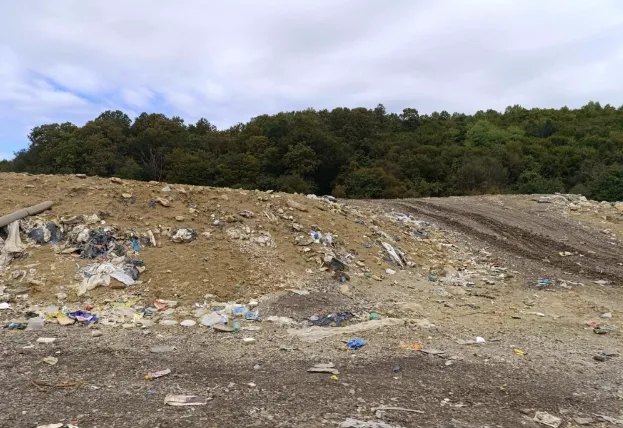
An active military training centre and shooting range in Pazarić, Hadžići municipality, where years of firing have accumulated ammunition fragments and fine metal particles in the soil. Soil, deeper soil and sediment were tested. Lead, copper and zinc reached a level indicating a need for cleanup in the surface soil of the firing line, and in the deeper soil downslope below the range — together with lead, copper and zinc — cadmium as well. Several other metals were above the level at which soil is no longer considered clean, while pollutants associated with oil, solvents and industrial oils stayed within limits.
Details -
 Above guideline value
 Radića Most Landfill
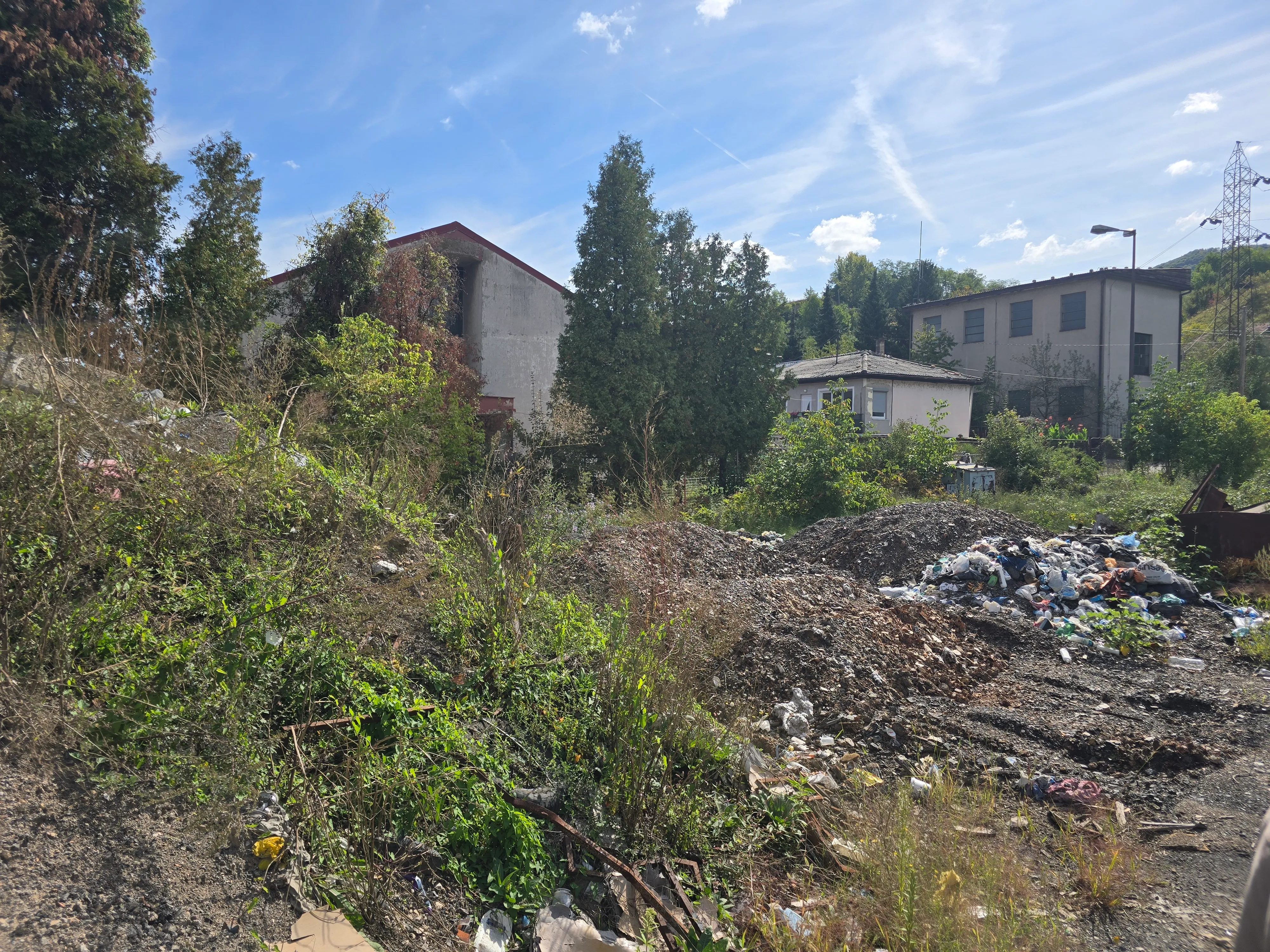
An active, non-sanitary landfill operating without any system to collect or treat the liquid that drains out of it, on raised and uneven ground above the river Glinica. Testing of soil, subsoil and sediment found cadmium and nickel above the level at which soil is no longer considered clean in every sample, but no parameter reached the level indicating that cleanup is needed. In the river, chromium was above its permitted limit and selenium was markedly elevated — which the report takes as confirmation that contamination is actively migrating from the landfill into the river system. The general conclusion of the report is that the location requires further detailed analysis.
Details -
 Above remediation value
 Raspotočje Coal Mine
Raspotočje is an underground brown-coal mine in Zenica, now going through mine closure as part of the just transition of coal regions. Alongside the underground workings, the surface holds a coal-separation plant, workshops and stores, and parts of the complex are surrounded by the Donje Raspotočje residential settlement. Preliminary testing revealed more serious contamination in the surface soil layer at several points: selenium and nickel reached the level indicating that cleanup is needed. The deeper soil layers and the sediment of a nearby channel were much cleaner. No water was sampled at the site. The river Bosna runs about 250 metres away.
Details -
 Above remediation value
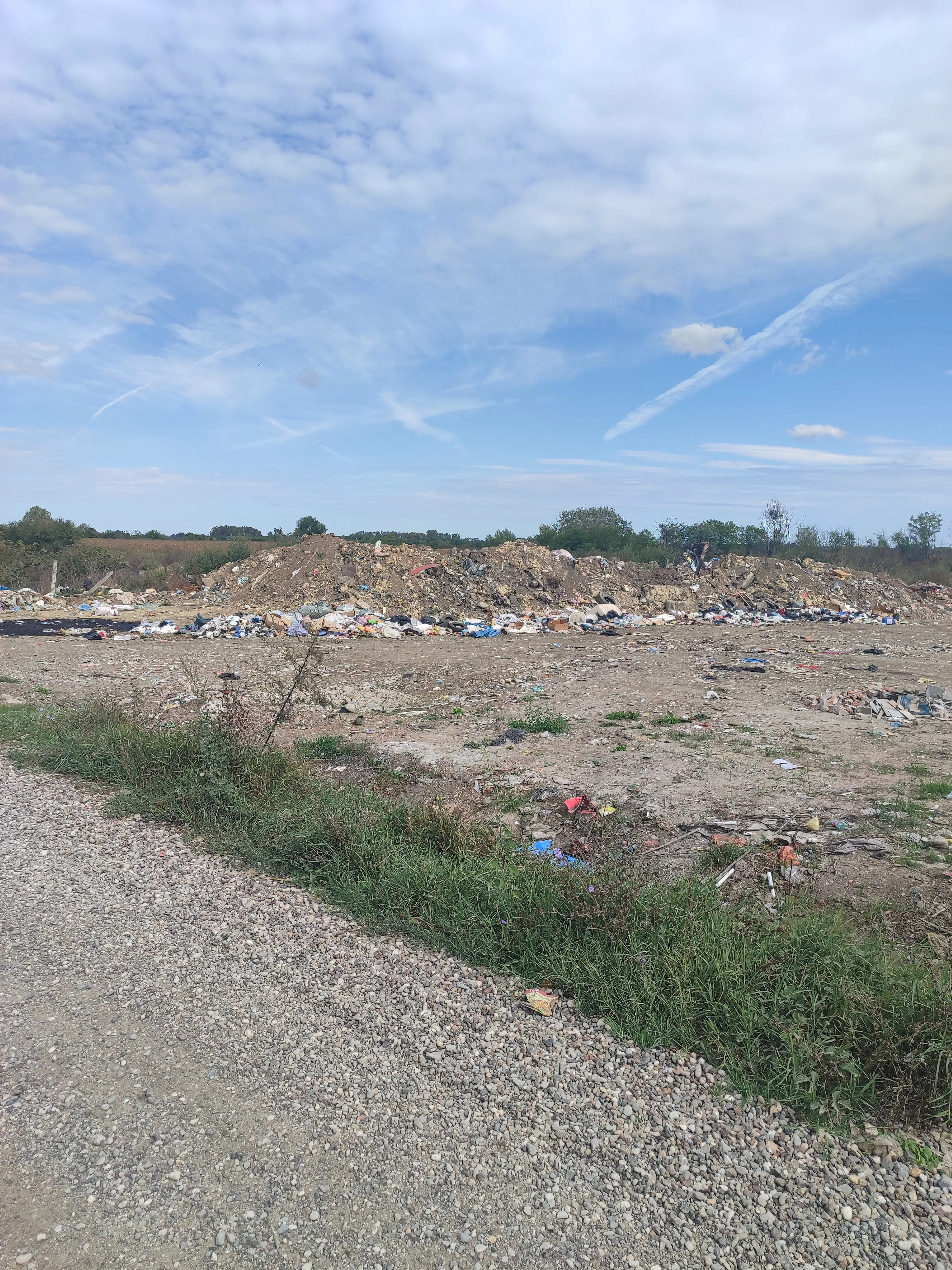
 Rov Landfill
Rov is an open landfill for the temporary disposal of municipal waste, about thirty hectares in size, accessed from a local road with an active farm and farmland right next to it. Soil, sediment and water were tested. Nickel in two surface-soil samples, and selenium in one, reached a level indicating a need for cleanup. The water of the artificial lake beside the landfill failed the limits for copper, nickel, lead and chromium, while the river Briježnica met all the prescribed limits.
Details -
 Above guideline value
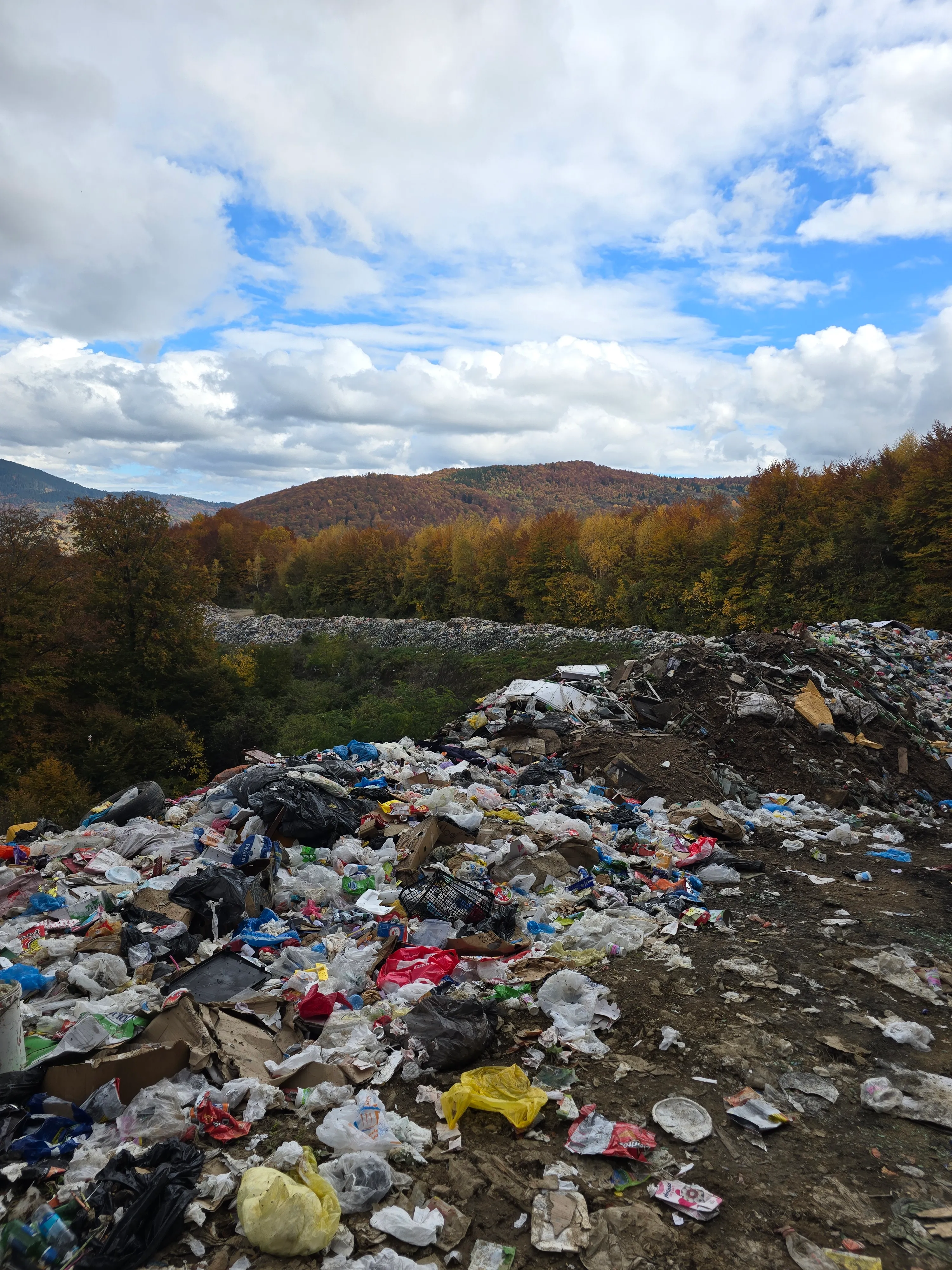
 Ruđice Landfill
The Ruđice landfill is Čajniče municipality's solid-waste disposal site, in a rural area about 17 km from the town centre. It is unfenced, lacks the infrastructure of a sanitary landfill, and is considered an unregulated dump. Preliminary testing of soil, sediment and water found several metals in the soil and sediment above the level at which land is no longer considered clean, while no finding reached the level indicating that cleanup is needed; the nearby surface water also showed some exceedances of the prescribed limits. The general conclusion of the report is that the location requires further detailed analysis.
Details -
 Above remediation value
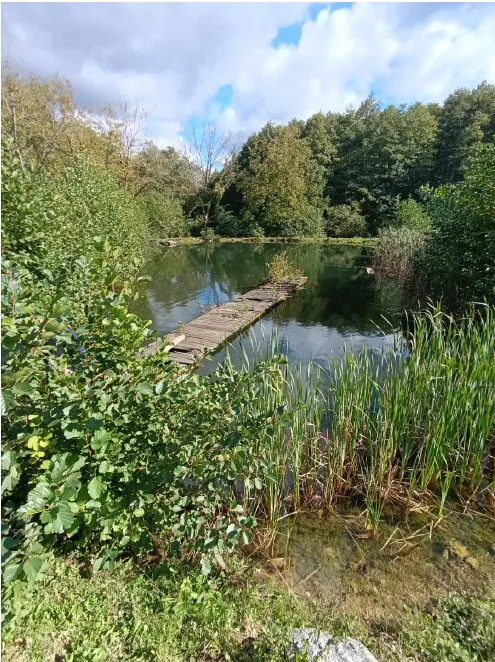
 Sanica Gornja Waste Dump
Sanica Gornja is a roughly 22,000 m² private parcel near Ključ, holding a weekend house, that is suspected of having served as a dumping site for unknown waste from a former EUFOR base — buried waste or underground tanks may be present, though this was not confirmed by targeted investigation. The site sits on karst terrain about 50 metres from the river Sanica and within a flood zone. Soil, water and sediment were tested. In the stream sediment, cobalt exceeded the level indicating that cleanup is needed, while cadmium and nickel were above the level at which land is no longer considered clean throughout the tested soil and sediment. Both surface-water samples met all the prescribed limits.
Details -
 Above remediation value
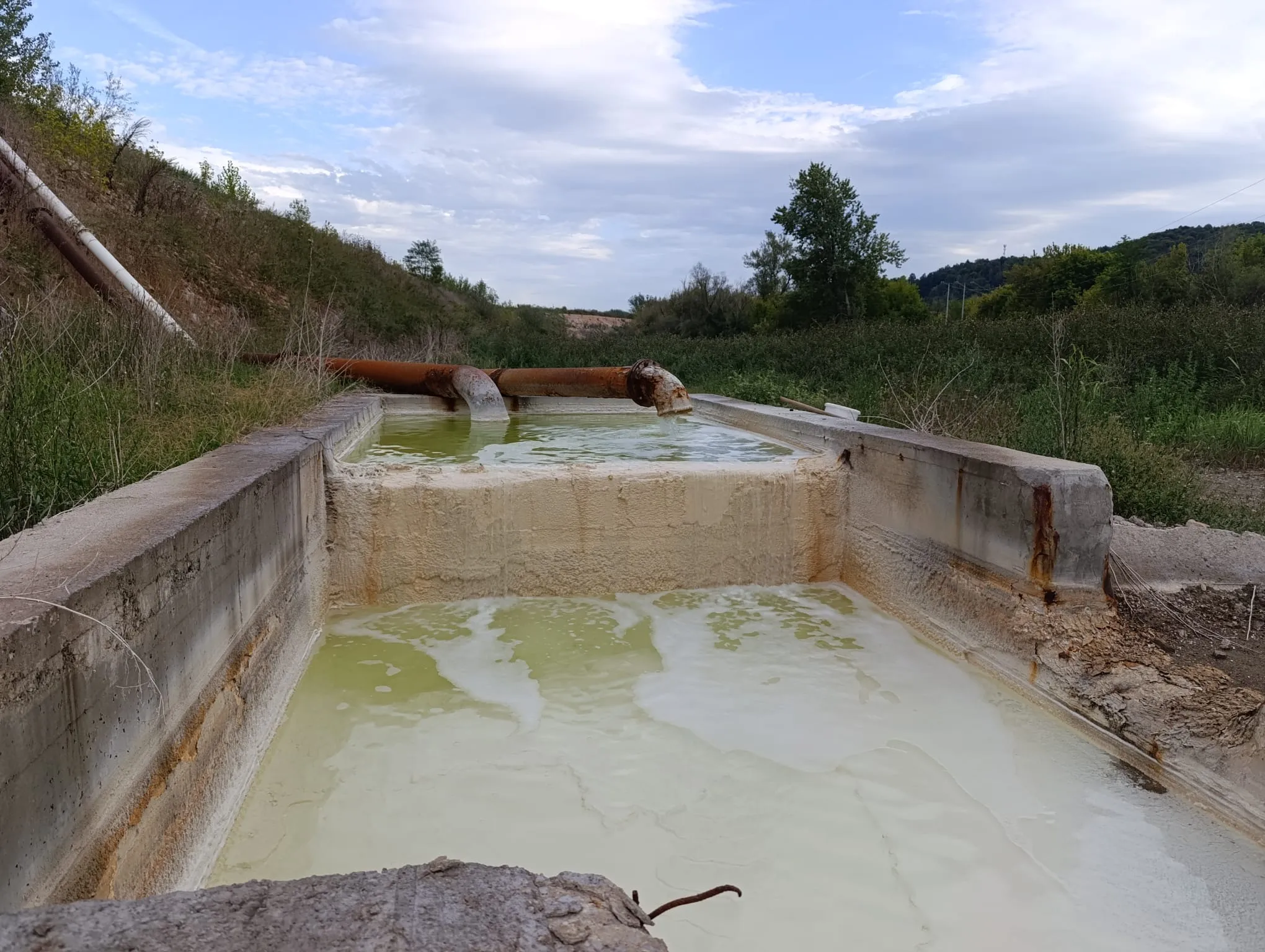
 Šišecam Soda Ash Factory
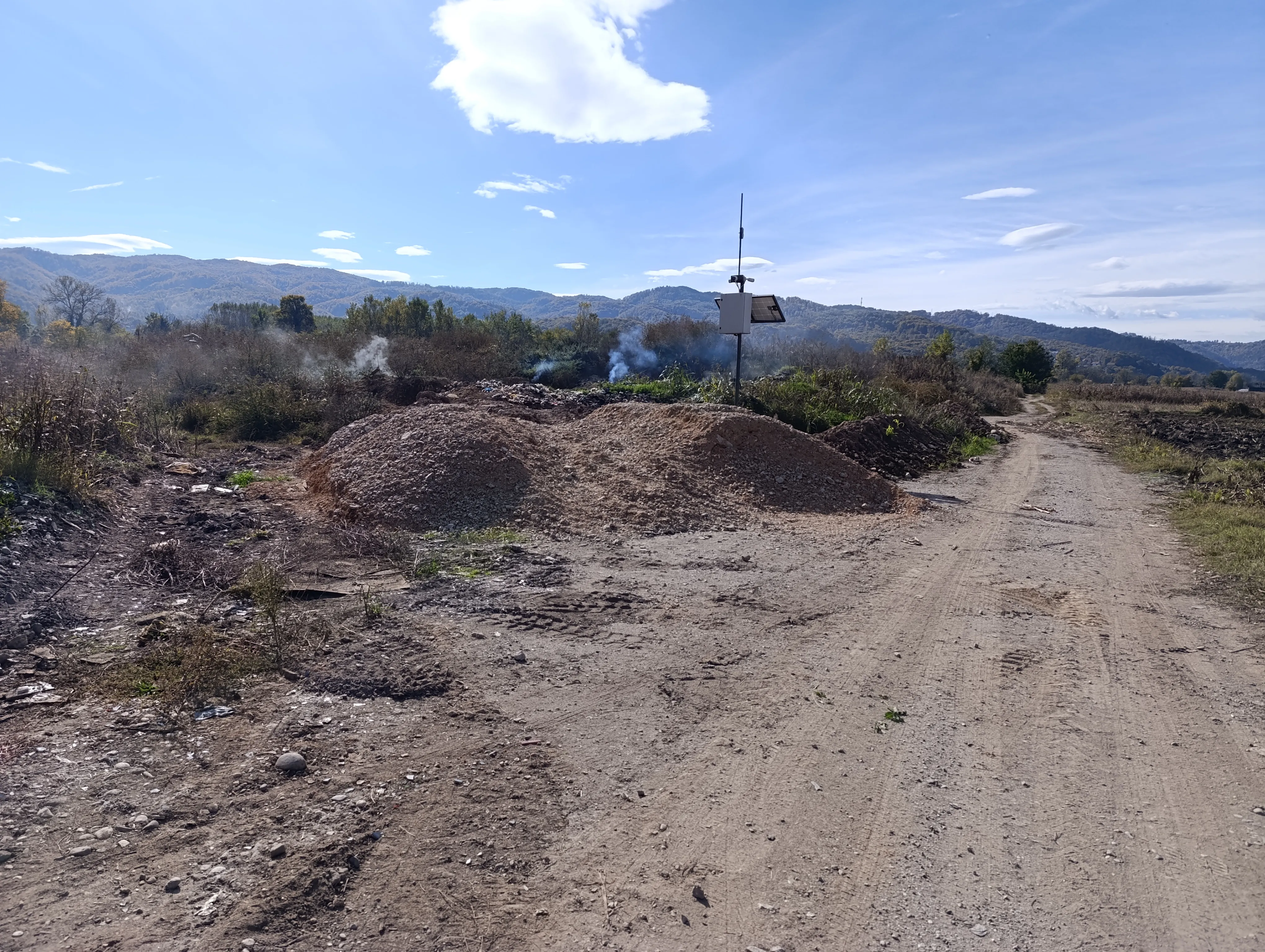
The Šišecam soda-ash factory complex in the Lukavac industrial zone includes several settling ponds, some no longer in use. As the factory did not grant access to its own grounds, sampling was done on the municipally owned "Bijelo More" settling pond, on surrounding farmland, and on the ash and slag deposits used as fill along the bed of the Lukavačka river. Preliminary testing revealed more serious contamination: in the soil, the sediment and the ash itself, nickel reached the level indicating that cleanup is needed, while several other metals were above the level at which land is no longer considered clean. A surface-water sample nonetheless met the prescribed limits.
Details -
 Above remediation value
 Tilića Ada Landfill
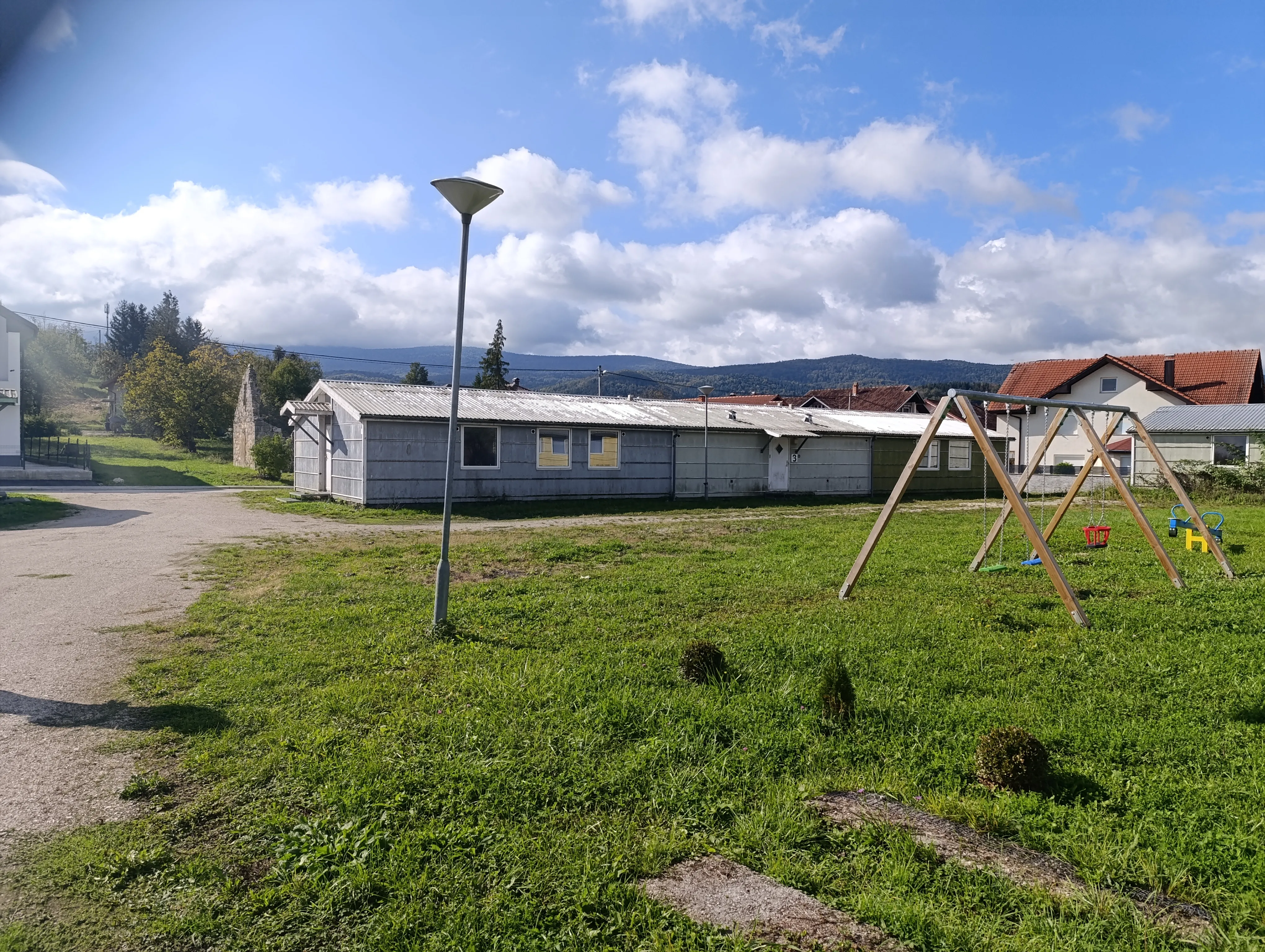
Tilića Ada is a municipal landfill on the eastern edge of Zvornik, in the Karakaj settlement, sitting right on the left bank of the river Drina about 100 metres away and within its flood zone. It covers about two hectares and lies over a shallow alluvial aquifer that the report notes as important for water supply but sensitive to pollution. Testing showed that, in the landfill soil, nickel reached a level indicating that cleanup is needed both in the waste body and at its edge, and cadmium and cobalt reached that level in the waste body. Several other metals were above the level at which land is no longer considered clean. The water of the river Drina beside the landfill met all the tested limits.
Details -
 Above remediation value
 Velagići Camp
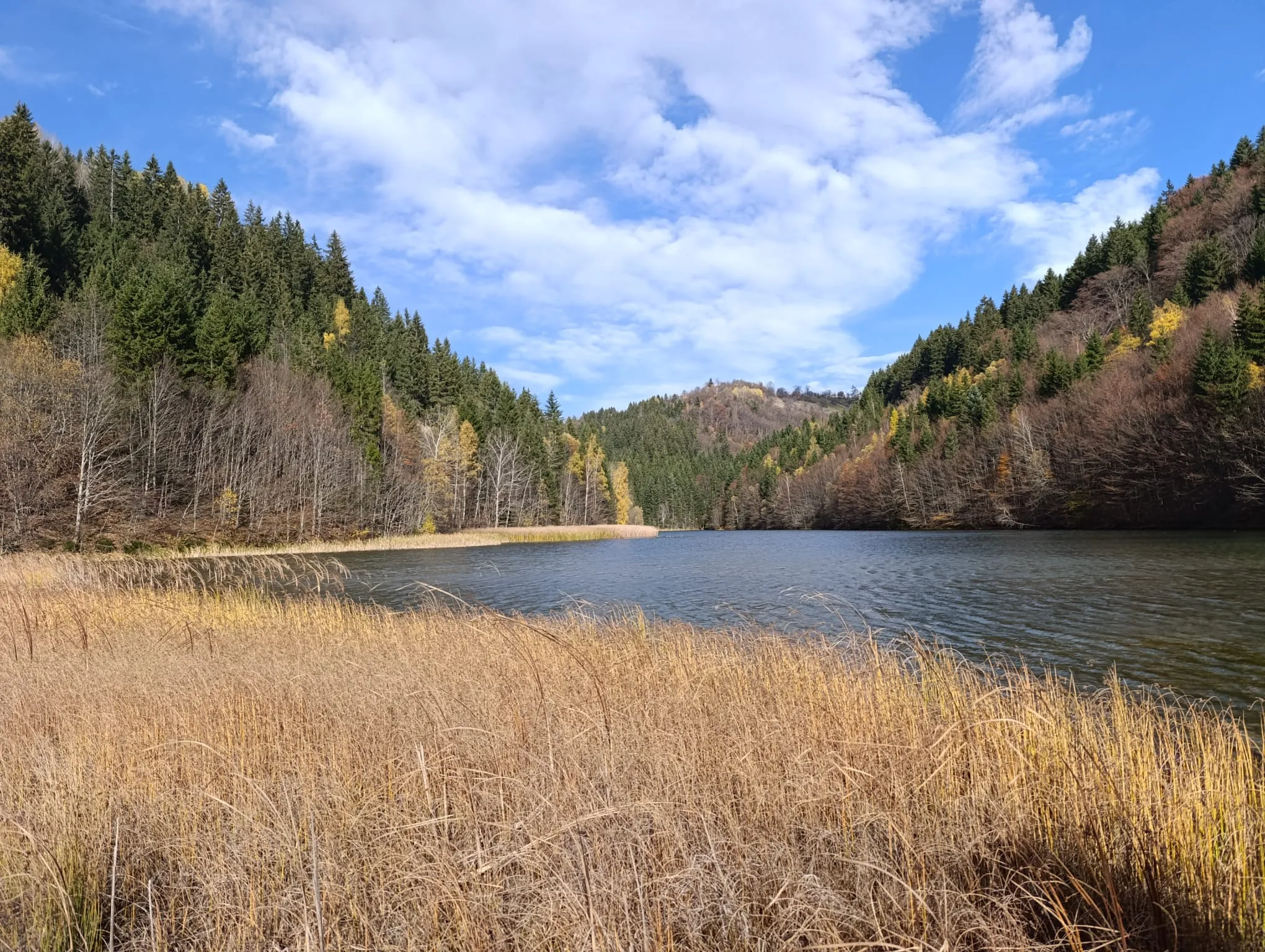
Velagića kamp is today a recreational site along the river Sana near Ključ, about 4,800 m² in size, with a Youth Centre building; within roughly 200 metres are a residential area, a school and a hospital. The ground has had many uses over time — an agricultural cooperative before the war, a military ammunition store during the war, and afterwards a storage-and-service yard for farm machinery; illegal waste dumps also appeared from time to time and were later removed. Only soil was tested. In one part of the surface soil, selenium was far above the level indicating that cleanup is needed — the most serious finding. Nickel across all the tested soil, and cadmium and cobalt in most samples, were above the level at which land is no longer considered clean.
Details -
 Above remediation value
 Veovača Flotation Lake
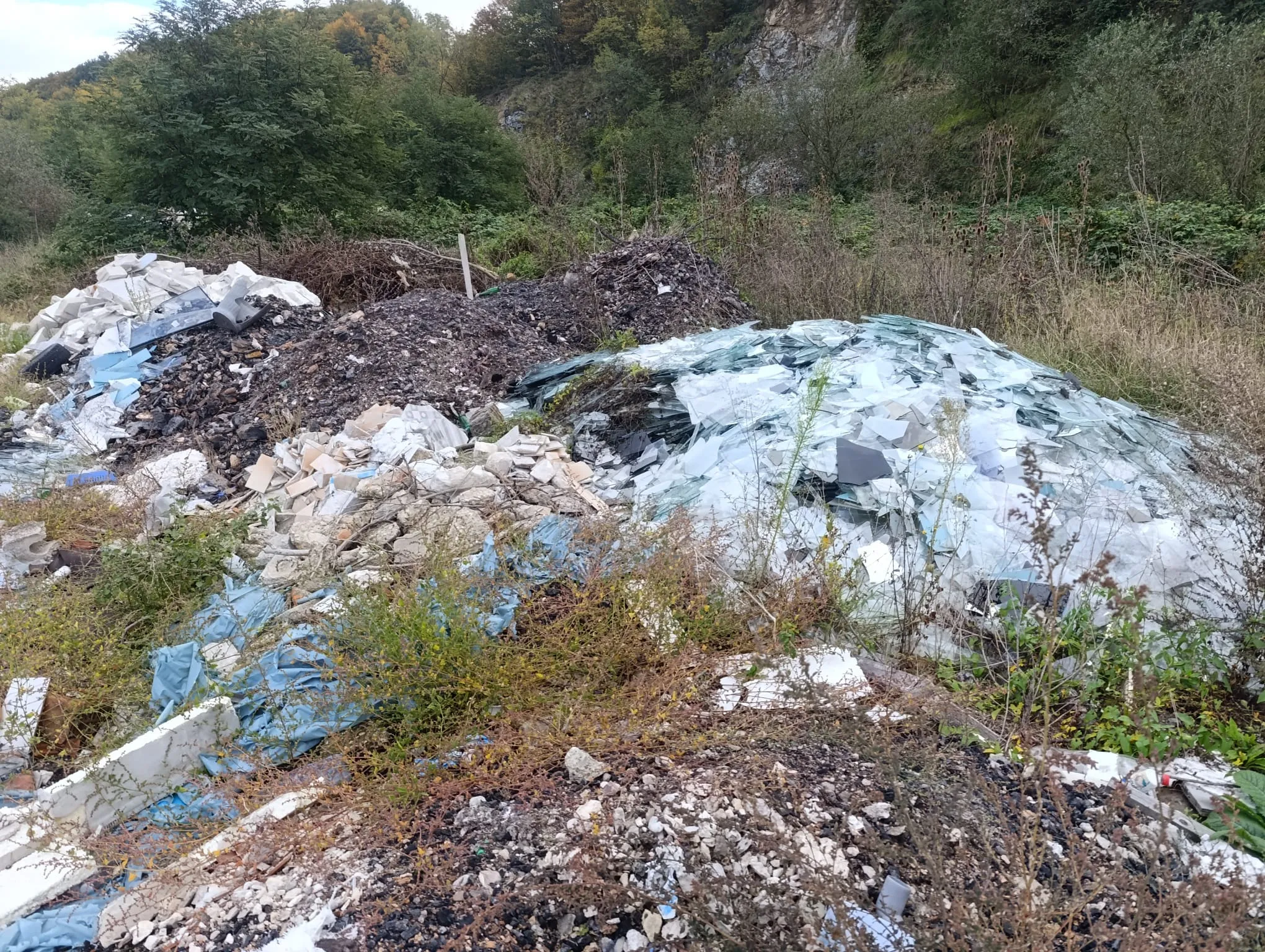
Flotation tailings lake in the Vareš municipality. Preliminary testing of water and sediment found markedly elevated lead, zinc, cadmium, copper and arsenic in sediment, and elevated selenium in surface water. The municipality could not confirm that the lake is fully unused. The general conclusion of the report is that the location requires further detailed analysis.
Details -
 Above remediation value
 Vis Landfill
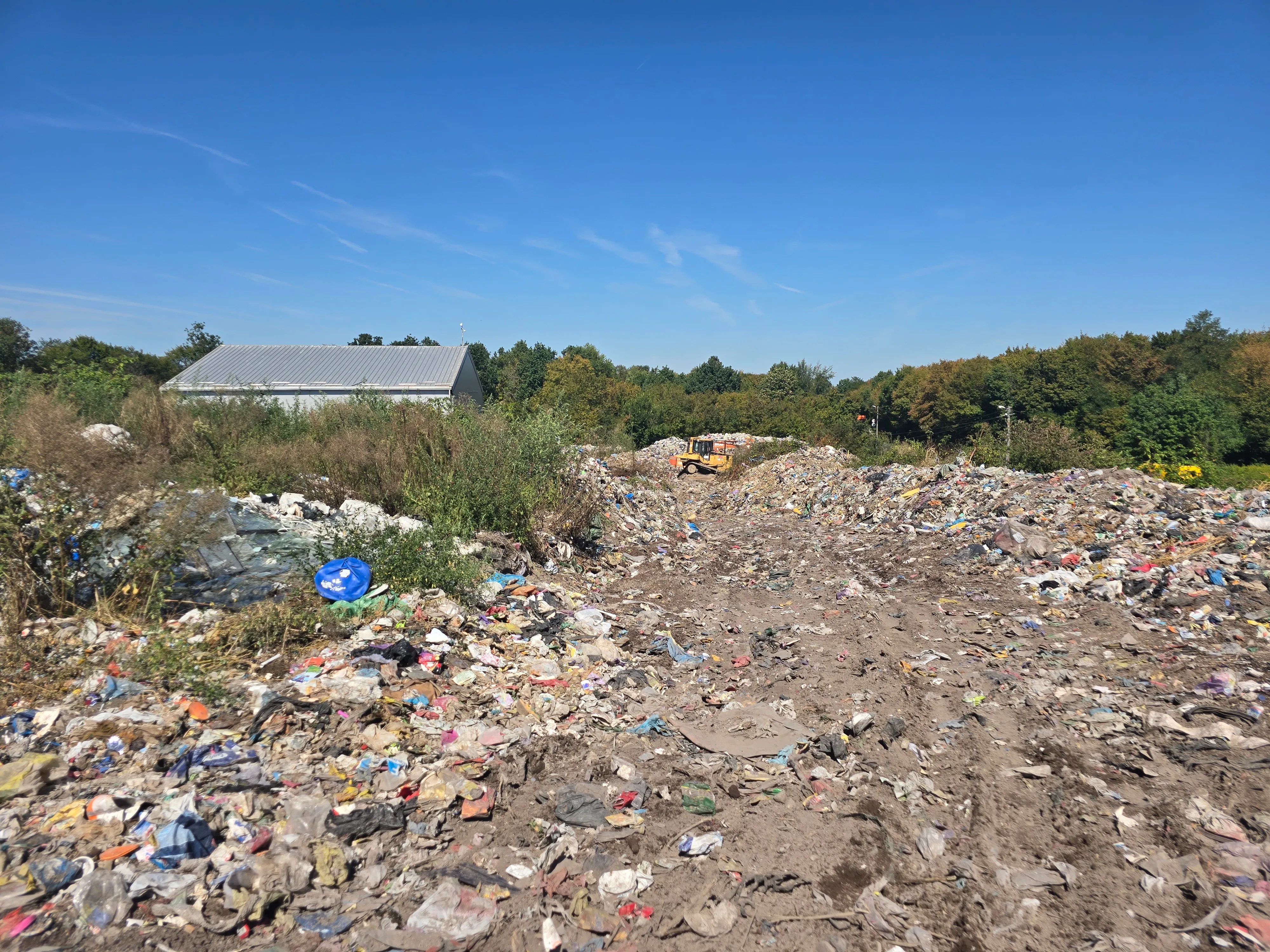
Vis is an informal, non-sanitary dump on Vis hill near Kalesija, in use for about twenty years and inactive for the last ten or so. The surface is soil-covered and overgrown with forest, but waste is still dumped occasionally. The highly permeable limestone-dolomite bedrock allows rapid seepage, and about 400 metres downhill there is a captured spring from which residents drink. Preliminary testing revealed heavier contamination: nickel in the soil and sediment was far above the level indicating that cleanup is needed, chromium reached that level in the surface soil and the sediment, and in the drinking spring itself cadmium exceeded the water-quality standard.
Details -
 Above guideline value
 Višnjik Landfill
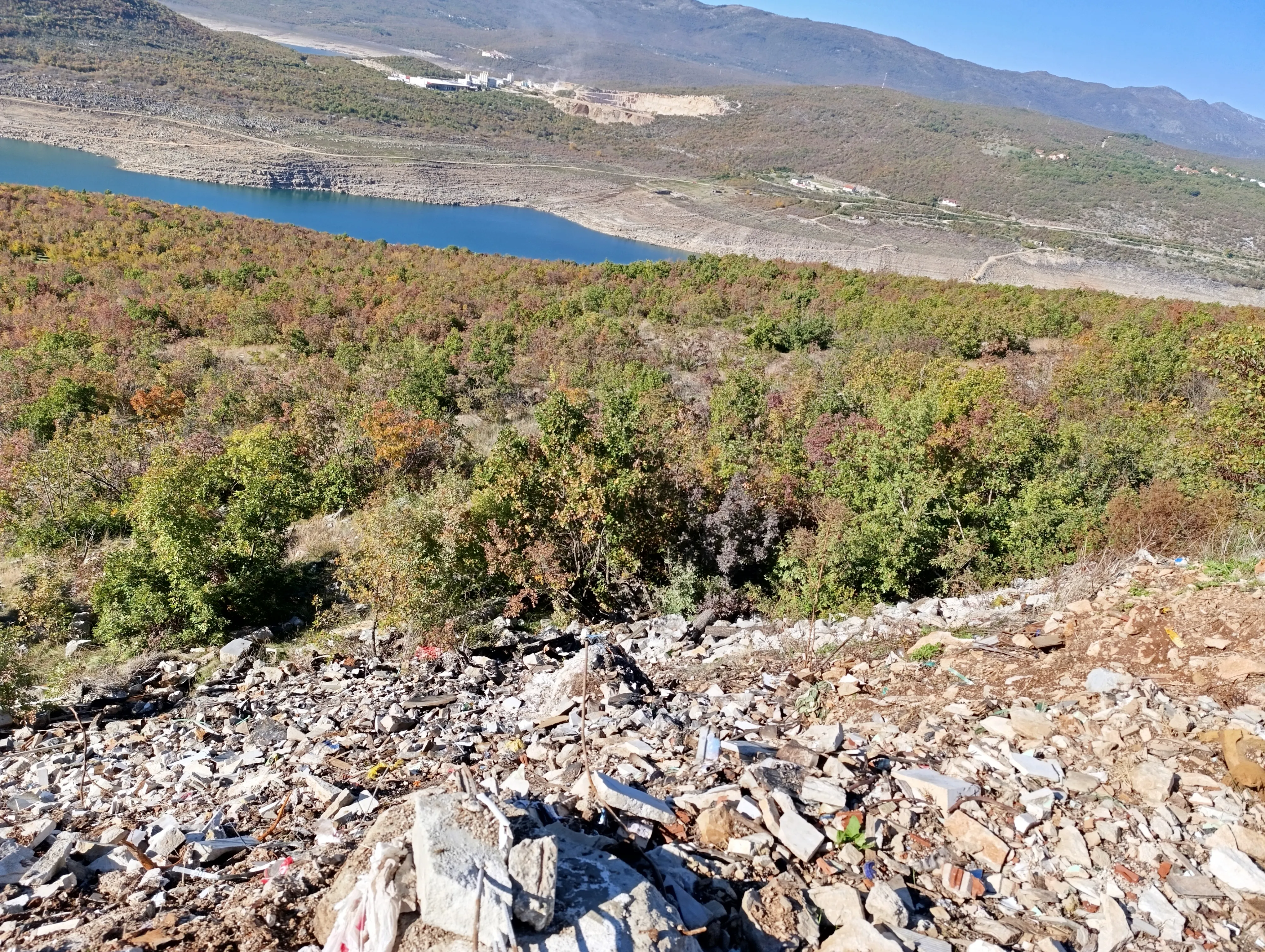
The former Višnjik landfill sits by the main entrance to Gradačac, only about 400 metres from the town centre and within the catchment of the significant Okanovići drinking-water source. The dump was officially closed in 2012 but the site is still used for waste sorting. Preliminary testing of soil, sediment and water found several metals in the soil and sediment above the level at which land is no longer considered clean, while no finding reached the level indicating that cleanup is needed; an accumulation of leachate was also observed on site. The nearby surface water met the assessed quality limits.
Details -
 Above remediation value
 Vlahinja Landfill
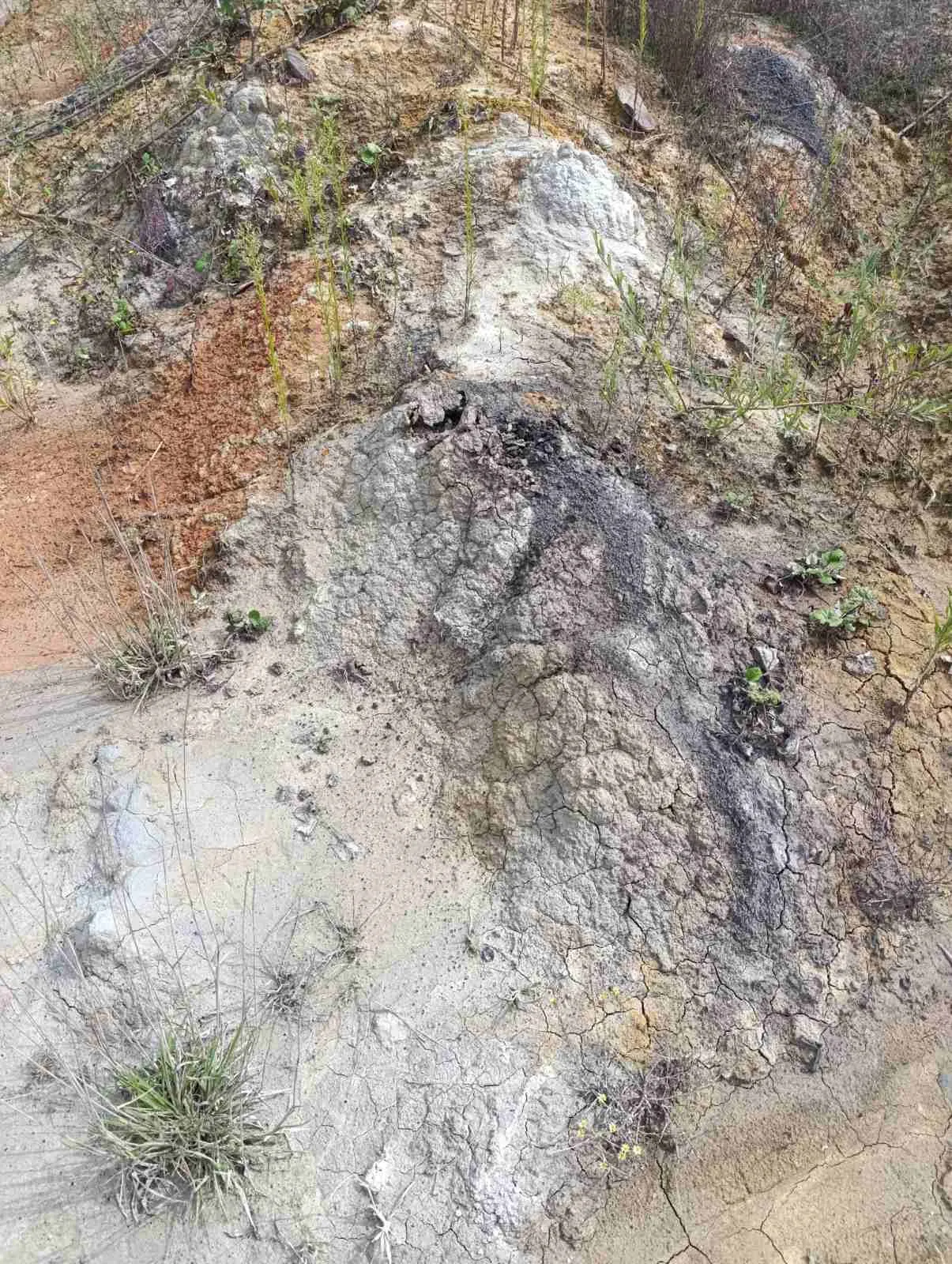
Vlahinja is an informal, neglected landfill of the Bileća municipality on hilly karst terrain at about 581 metres above sea level, without the necessary infrastructure and without any stormwater drainage. It covers close to one hectare and lies only about 700 metres from the Bileća reservoir and about 800 metres from a drinking-water source. Soil testing showed that selenium, both on the landfill body and in the soil below it, reached a level indicating a need for cleanup — the most serious finding at the site. Cadmium and nickel were above the level at which land is no longer considered clean in both samples, and copper, zinc and chromium on the landfill itself. Water at the site was not tested.
Details -
 Above remediation value
 Western Waste Dump – ArcelorMittal Omarska
The site is the western dump of solid waste rock from the ArcelorMittal iron-ore surface mine in Prijedor, covering about 64 hectares. It is a large filled platform with no residential or business buildings and minimal vegetation, part of the wider mining complex. The river Slatina and a red-mud lake lie nearby. Testing found selenium in part of the soil by the river at a level indicating that cleanup is needed, and the water and groundwater around the dump were contaminated: selenium was extremely high in the red-mud lake, while cadmium, lead, copper, iron and other metals were elevated in the rivers and groundwater. In the soil, along with selenium, some other metals were above the level at which land is no longer considered clean, while pollution linked to oil stayed within limits.
Details
No locations match the selected filters.