Map of Environmental Hotspots in Bosnia and Herzegovina
Explore locations with preliminary environmental testing findings.
- 48 Locations
- 37 Municipalities
- 35 sites above the remediation value
- 13 sites above the limit value
Interactive location map
Select a marker on the map to read a short summary of the findings. Findings are preliminary.
Can't use the map? View all locations as a list.
The interactive map shows environmental hotspot locations using markers of different shape and colour according to the severity of findings. Every location is also available as text in the list below the map.
- Above remediation value
- Above limit value
- Within limits
Location data could not be loaded right now.
Can't use the map? View all locations as a list.Severity is shown by both the shape and the colour of the marker.
Highlighted locations
-
 Above remediation value
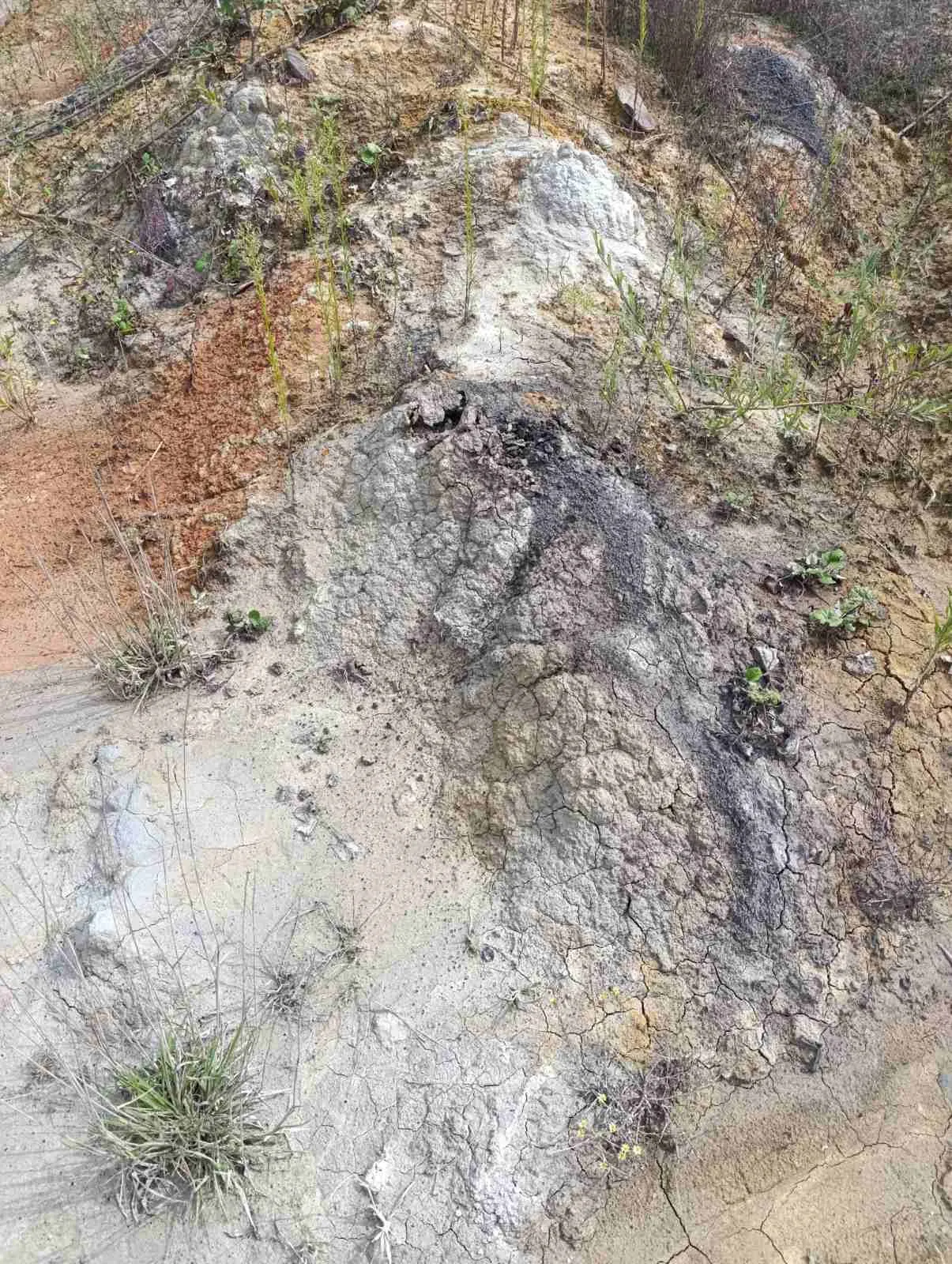
 Western Waste Dump – ArcelorMittal Omarska
The site is the western dump of solid waste rock from the ArcelorMittal iron-ore surface mine in Prijedor, covering about 64 hectares. It is a large filled platform with no residential or business buildings and minimal vegetation, part of the wider mining complex. The river Slatina and a red-mud lake lie nearby. Testing found selenium in part of the soil by the river at a level indicating that cleanup is needed, and the water and groundwater around the dump were contaminated: selenium was extremely high in the red-mud lake, while cadmium, lead, copper, iron and other metals were elevated in the rivers and groundwater. In the soil, along with selenium, some other metals were above the level at which land is no longer considered clean, while pollution linked to oil stayed within limits.
Details -
 Above remediation value
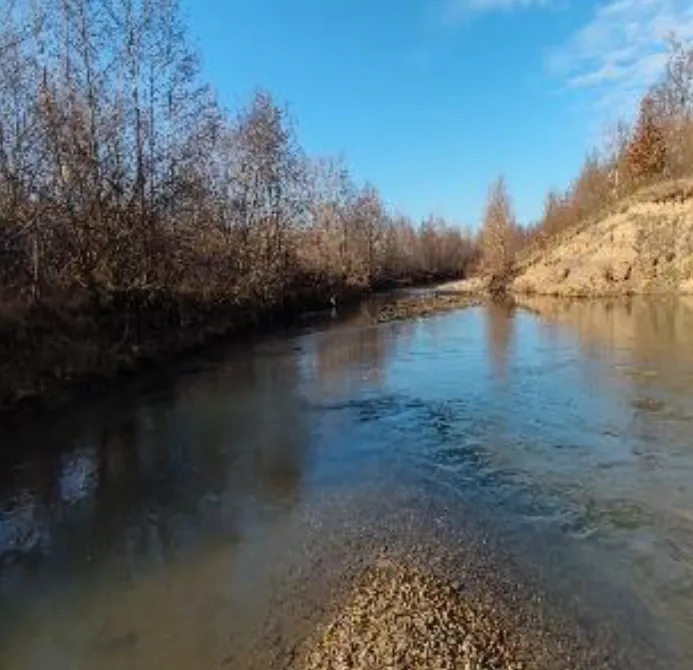
 Eastern Waste Dump – ArcelorMittal Omarska
The site is the eastern dump of solid waste rock from the ArcelorMittal iron-ore surface mine in Prijedor, covering about 92 hectares east of the active pit. It is a large filled platform with no residential or business buildings and minimal vegetation, part of the wider mining complex. The dump lies about sixty metres from the river Gomjenica. Testing found selenium in the dump soil and in the river sediment at a level indicating that cleanup is needed, and in the river itself selenium and cadmium above the permitted water-quality limits. The other tested metals stayed within remediation limits, and pollution linked to oil was not found above limits.
Details -
 Above remediation value
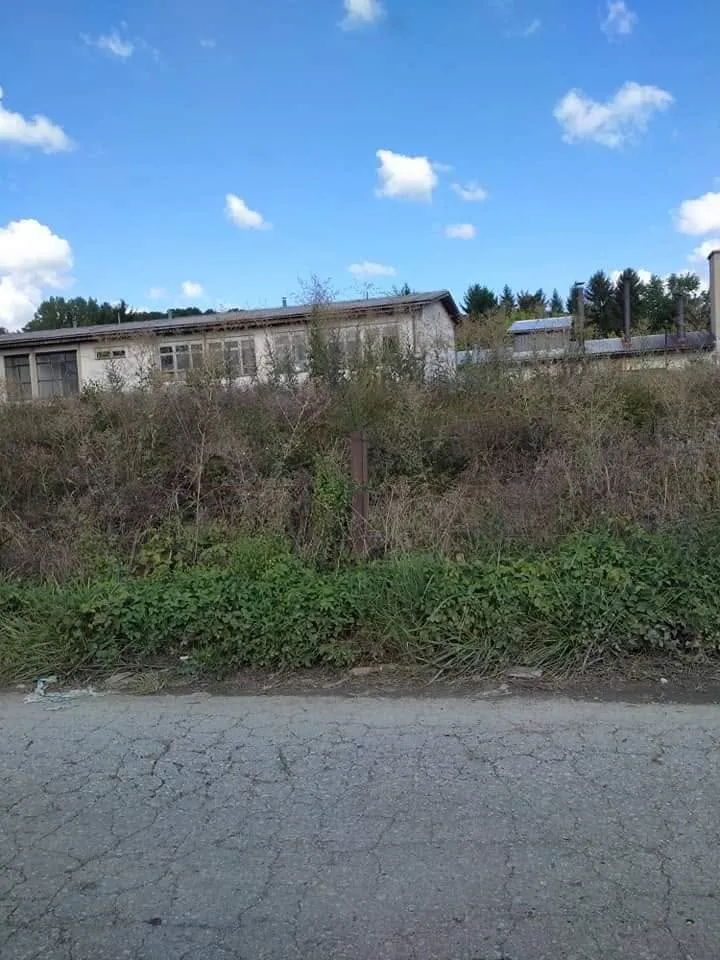
 Butila Barracks
Butila Barracks is an active military site and central logistics base in Novi Grad Sarajevo, with training, parking and vehicle-manoeuvring and maintenance areas; it lies in the floodplain of the river Bosna. Soil was tested. Arsenic reached a level indicating a need for cleanup in one surface-soil sample, while several metals and legacy pesticides were above the level at which soil is no longer considered clean. Pollutants associated with oil, solvents and industrial oils stayed within the prescribed limits.
Details -
 Above guideline value
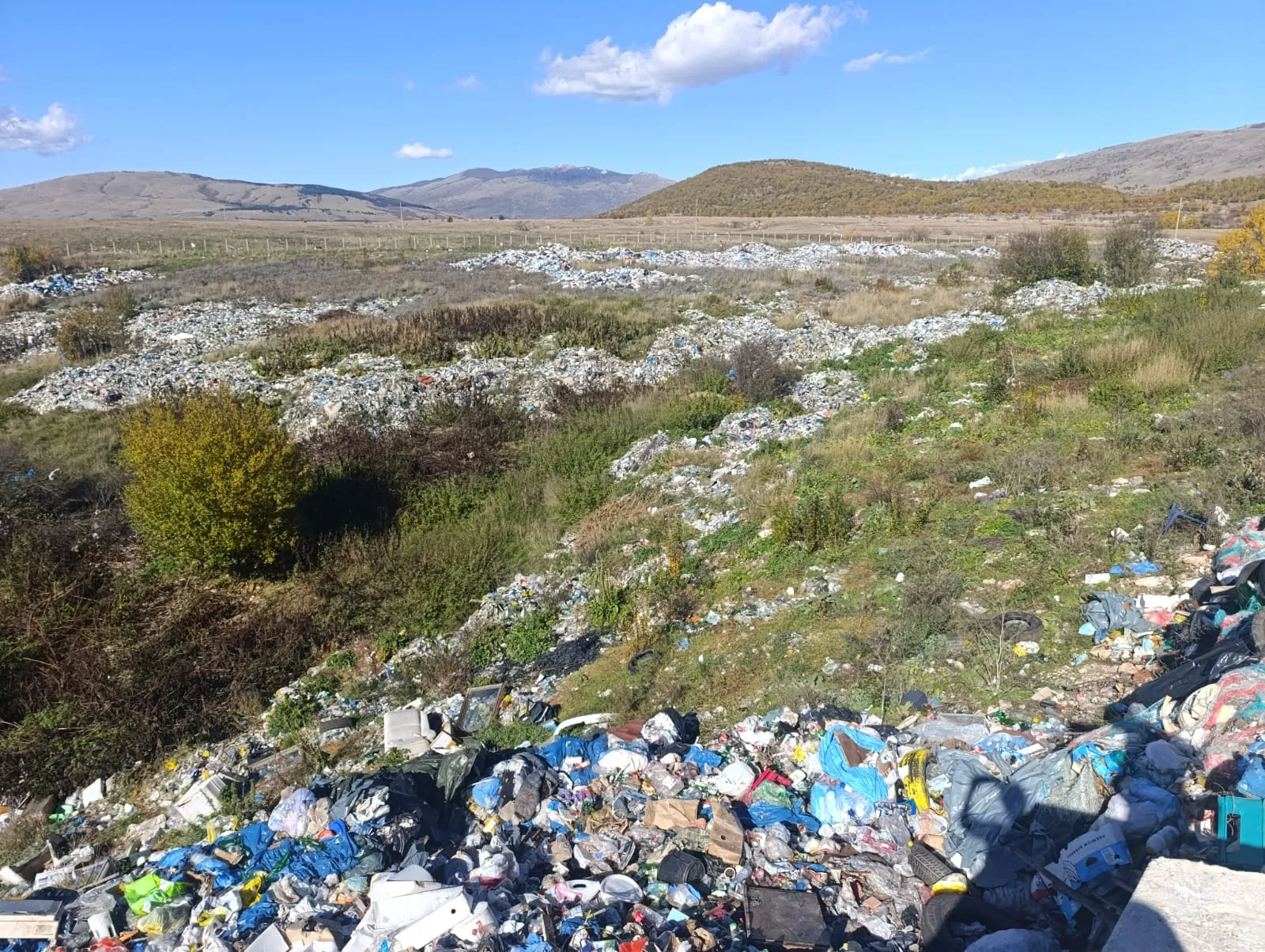
 Korita Landfill
Korita Landfill is the municipal waste disposal site of Bosansko Grahovo, with a dedicated concrete cell for animal waste. Preliminary testing of soil and subsoil found elevated concentrations of several metals, above the level at which soil is no longer considered clean, while no finding reached the level indicating that cleanup is needed. The general conclusion of the report is that the location requires further detailed analysis.
Details -
 Above guideline value
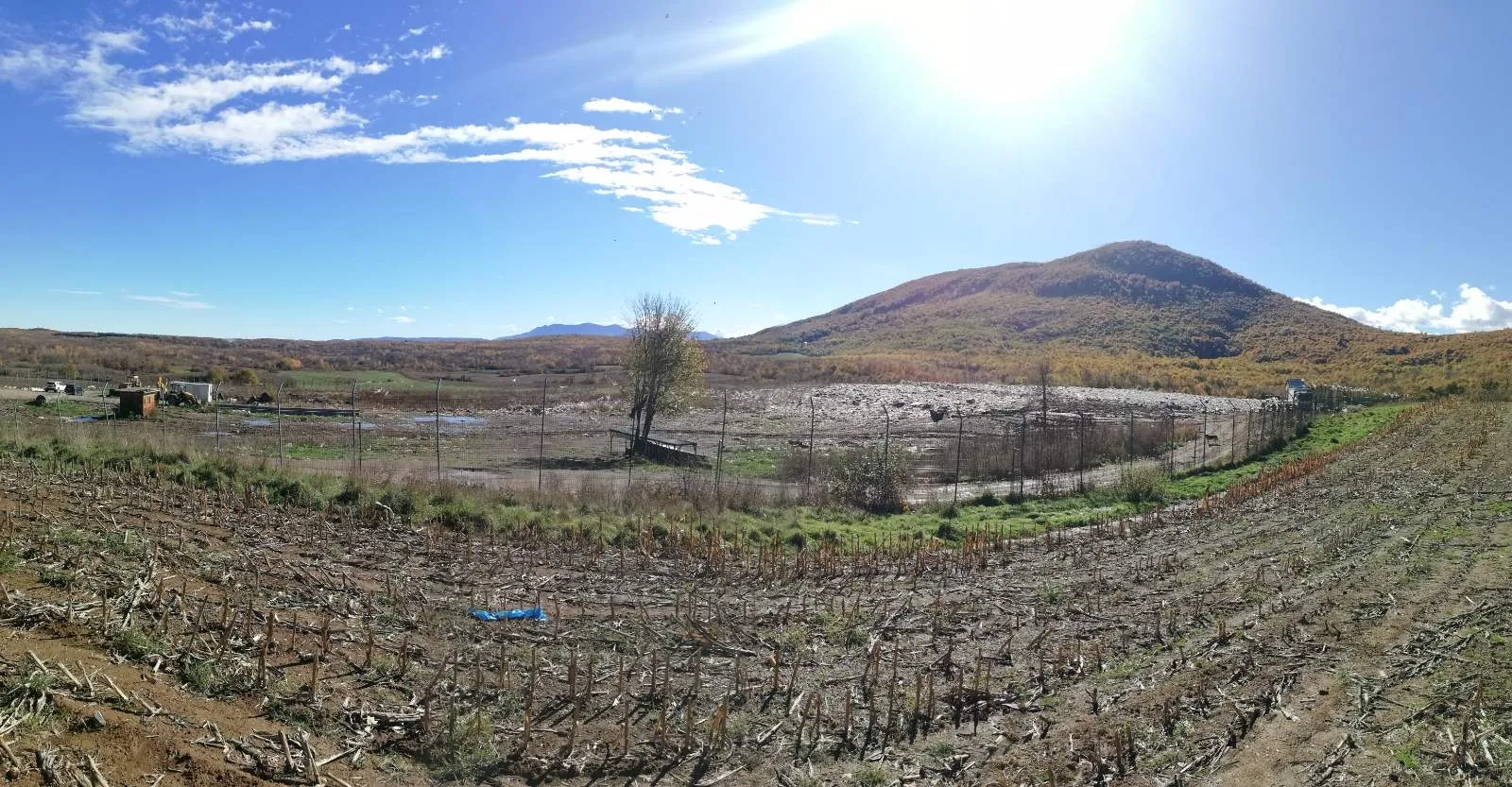
 Meždre Landfill
The Meždre landfill is a public, inter-municipal municipal-waste site near Bosanska Krupa — fenced, surrounded by farmland, and managed by the local utility company. Preliminary testing of soil, taken from both the surface and deeper layers, found several metals above the level at which land is no longer considered clean, while no finding reached the level indicating that cleanup is needed. The terrain is karst and permeable, with no system to collect or treat leachate, so the site is assessed as one that requires further monitoring.
Details -
 Above remediation value
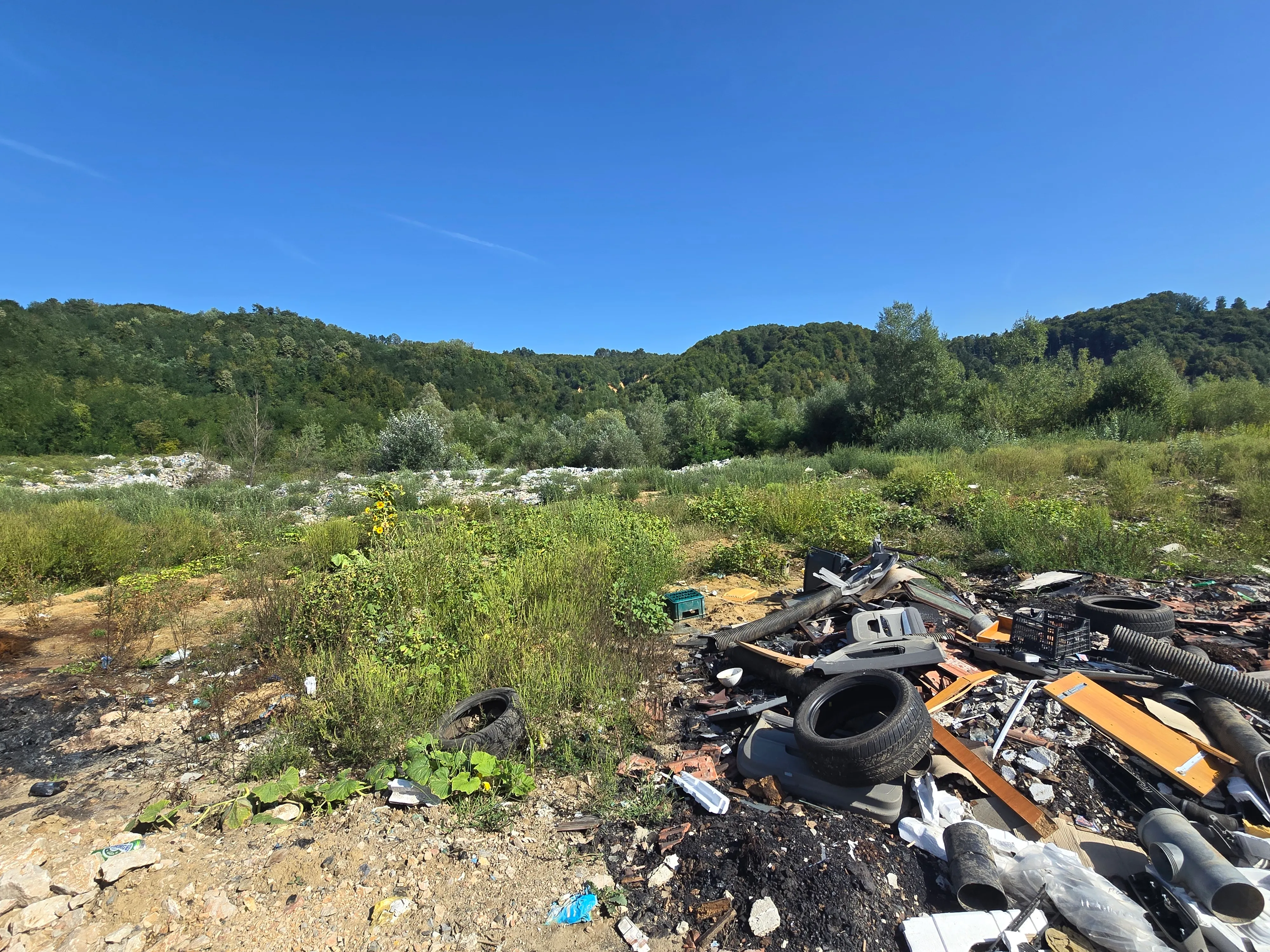
 Lukavačka Rijeka Landfill
The non-sanitary municipal Lukavačka Rijeka landfill, also known as Potočari, sits within the boundaries of a former coal surface mine near Lukavac and has received municipal waste for decades although it is no longer permitted to. Preliminary testing revealed more serious contamination: in the deeper soil layer and in the sediment of a nearby channel, nickel reached the level indicating that cleanup is needed, and so did selenium in the deeper soil. The site has a leachate lagoon and a constructed-wetland treatment system that, according to the city, is not fully functional. The leachate sample nonetheless met the prescribed limits.
Details -
 Above guideline value
 Mirilovići Landfill
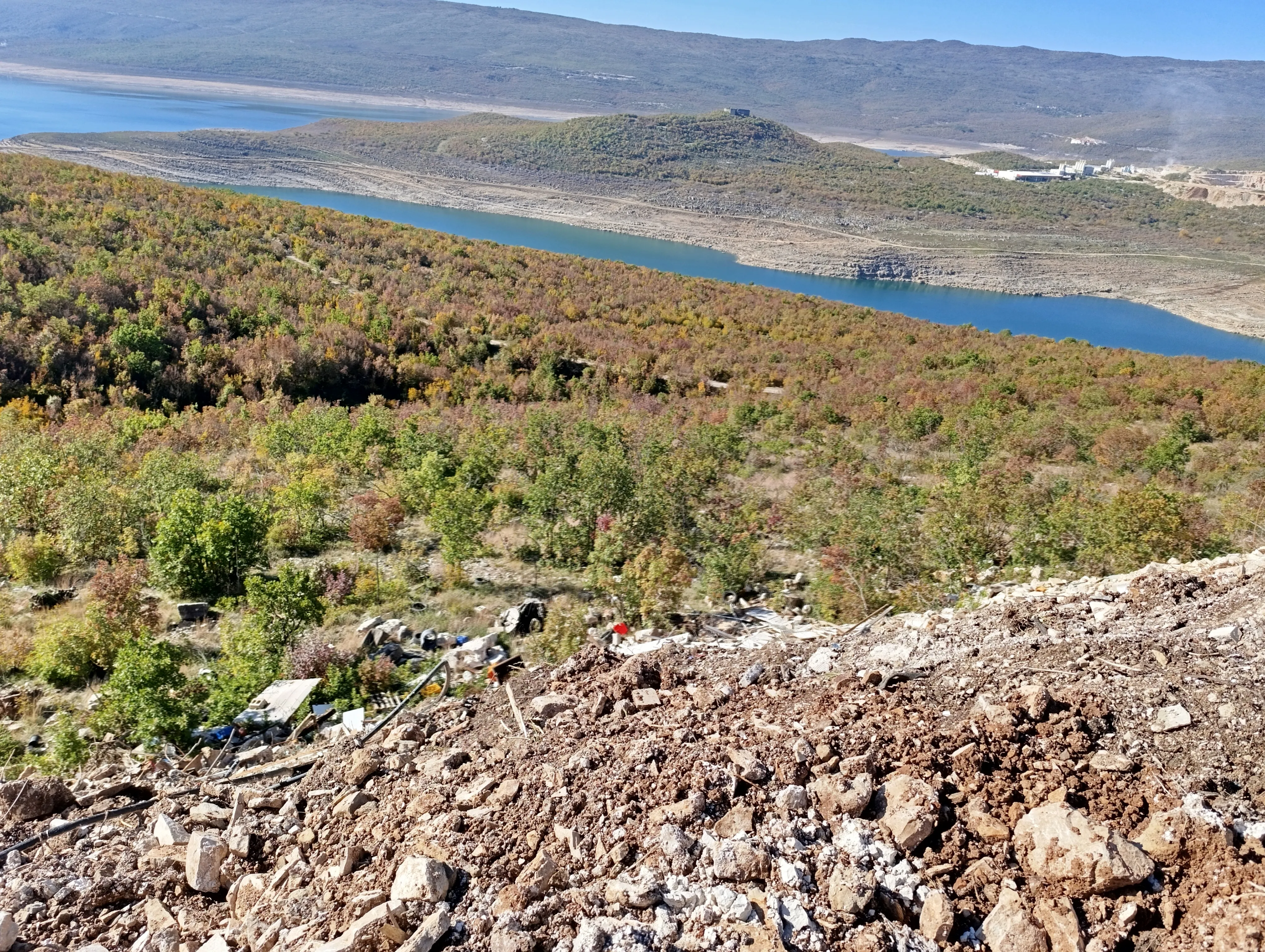
Mirilovići is a municipal landfill of the Bileća municipality, located near the village of Mirilovići on hilly karst terrain at about 570 to 580 metres above sea level. It covers close to two hectares and, according to the report, is neglected and without the necessary infrastructure. Soil testing showed that cadmium, cobalt and nickel at the upper edge of the landfill and across the road, together with zinc and chromium at the upper edge, were above the level at which land is no longer considered clean — but no substance reached a level that would indicate a need for cleanup. The lower part of the landfill was considerably cleaner. Water at the site was not tested.
Details -
 Above remediation value
 Ada Landfill
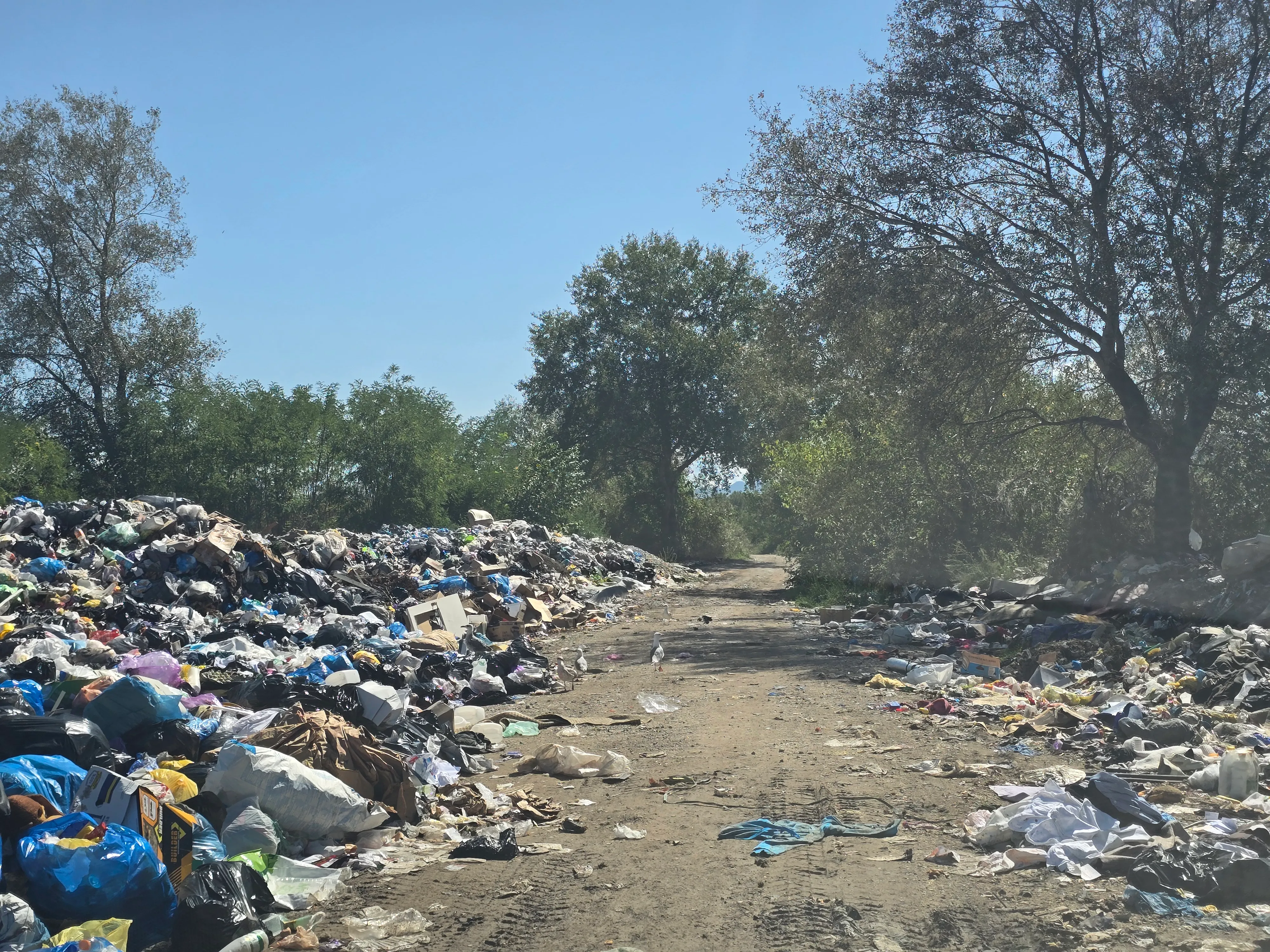
Ada is a large, open, unfenced municipal landfill south of Čapljina, right beside the bed of the river Neretva and within its flood zone. The highly permeable limestone bedrock allows rapid seepage toward the river, and the municipal drinking-water source lies about a kilometre upstream. Informal residents, including children, live on the landfill, and fires are frequent. Preliminary testing revealed more serious contamination: in the soil and the sediment, selenium reached the level indicating that cleanup is needed; long-banned pesticides were found in the surface soil; and in the Neretva itself beside the landfill, cadmium exceeded the water-quality standard.
Details -
 Above remediation value
 Ekonomija Landfill
The Ekonomija landfill was Zavidovići's municipal dump from the 1960s until its official closure in 2017, and is still occasionally used for bulky waste. It sits only about 300 metres from the river Bosna and from a public drinking-water source. Preliminary testing revealed more serious contamination: in the sediment of the watercourse draining the site, nickel and chromium reached the level indicating that cleanup is needed. Several metals were also above the level at which land is no longer considered clean, while oil- and combustion-related pollutants, and the nearby surface water, were within the prescribed limits.
Details