
Former Mediapan Factory
Above remediation valueMedia tested
Summary
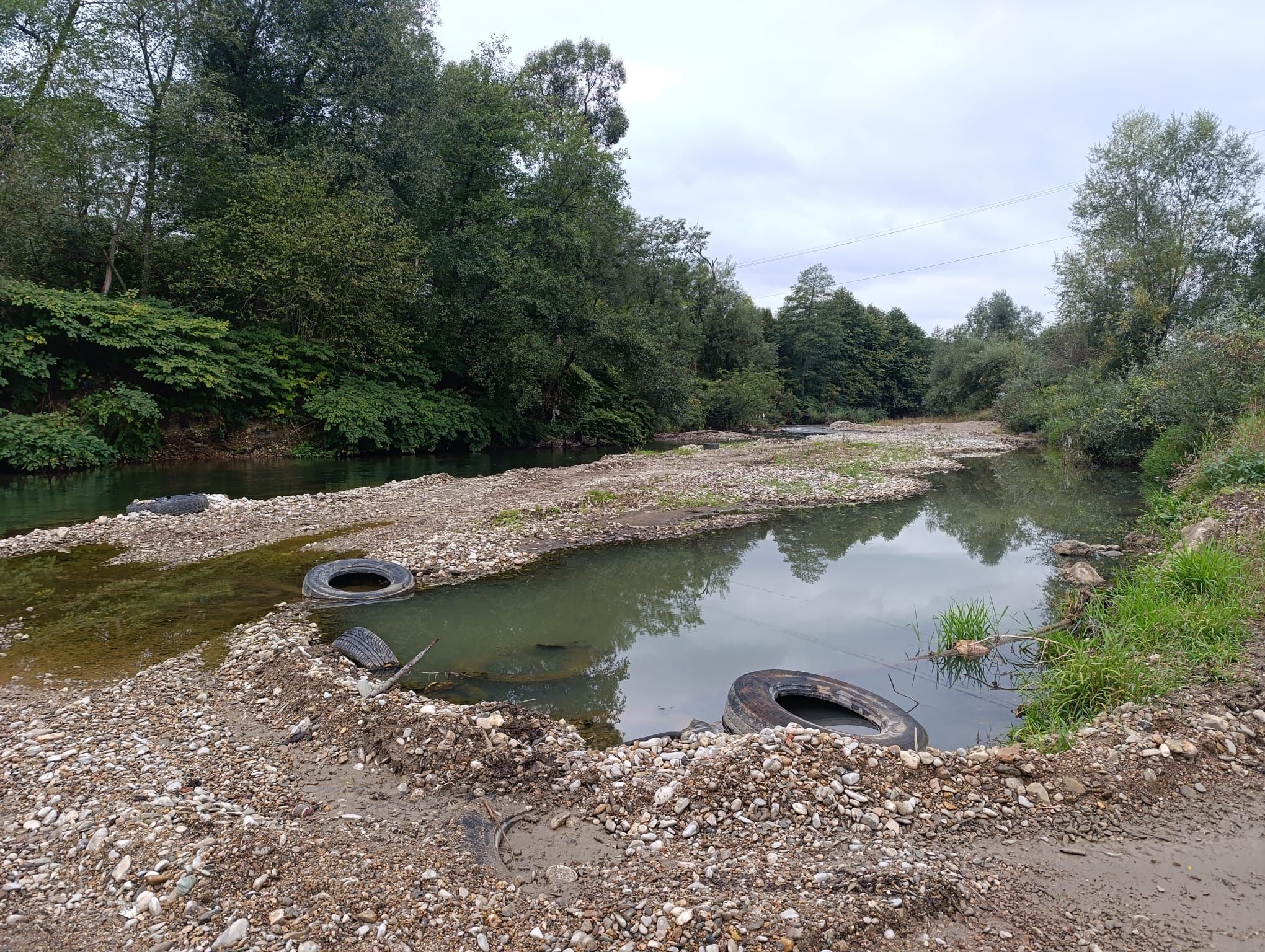
The site of the former Mediapan factory in Kaonik near Busovača was once a wood-processing plant, demolished during the 1990s; today the municipality runs a recycling yard on the grounds. The site is fenced with controlled entry and lies near the river Lašva, but without direct impact on the watercourse. Preliminary testing showed that, within the factory footprint, nickel in the surface and deeper soil reached the level indicating that cleanup is needed, while several other metals were above the level at which land is no longer considered clean. Along the Lašva bank and in the river sediment the contamination was much less pronounced.
Assessment findings
Findings of concern
- In the surface and the deeper soil layer within the former factory footprint, nickel reached the level indicating that cleanup is needed — the most serious finding at the site.
- Cadmium, copper and zinc were above the level at which land is no longer considered clean across the tested soil and sediment.
- Cobalt, lead and chromium were above that level in parts of the soil, and cobalt in the river sediment as well.
Positive findings
- In the deeper soil by the Lašva bank and in the river sediment, nickel stayed within remediation limits — the most serious contamination remained within the factory footprint and did not reach the river.
- Selenium, arsenic and mercury were within limits across the whole site.
- Oil-related and combustion-related pollutants, solvents and persistent industrial compounds were within limits in all the samples.
Photo gallery
The project results have been submitted to the competent institutions as a basis for improving regulation and for strategic planning of further activities.
Legal basis
- Rulebook on limit and remediation values of polluting, harmful and hazardous substances in soil (Official Gazette of RS No. 82/21)
Due to the absence of reference values for soil and sediment in the Federation of BiH, the Republika Srpska rulebook is applied as a reference framework to ensure methodological consistency between the entities.