
Acid Tar Pit
Above remediation valueMedia tested
Summary
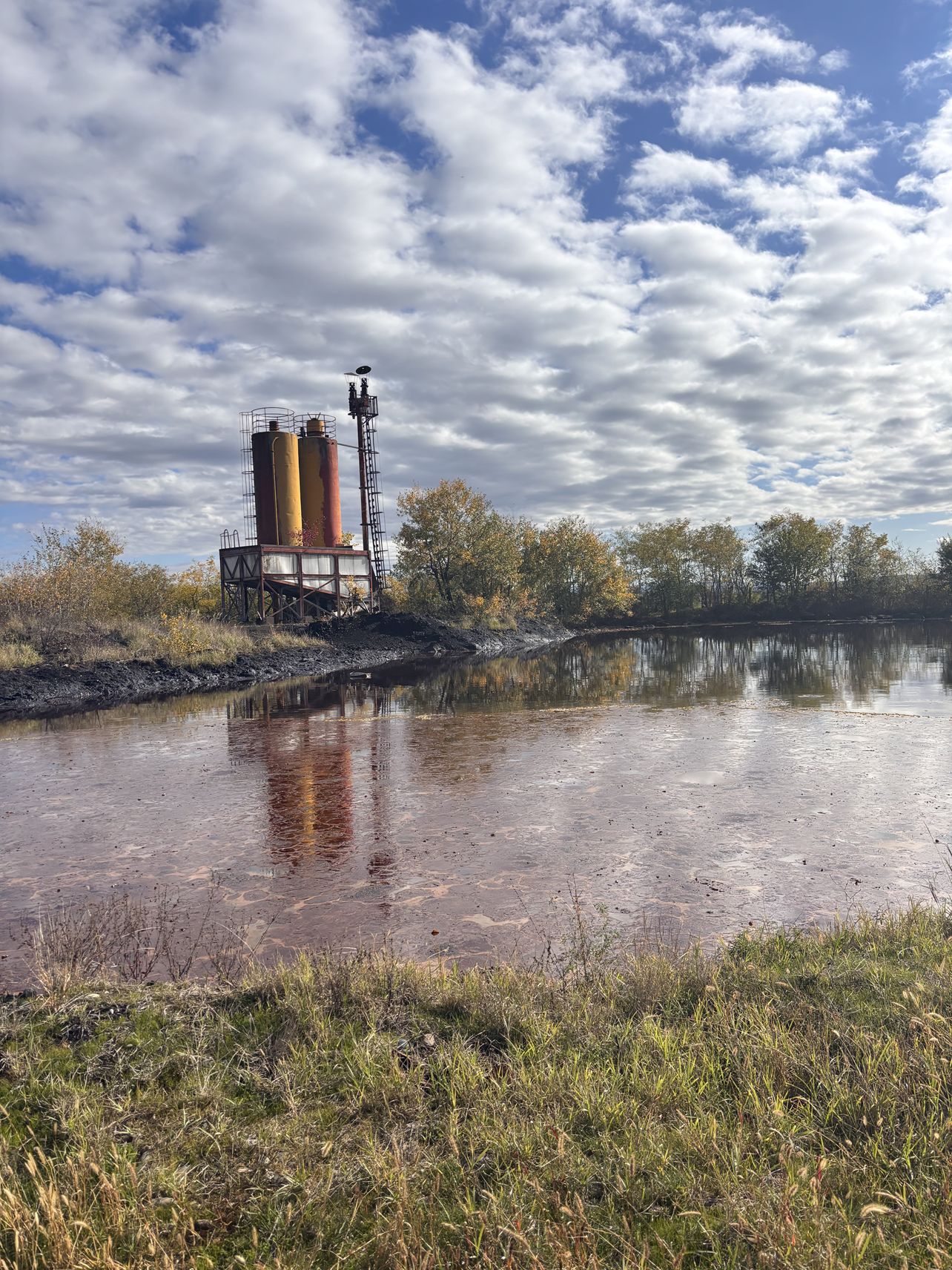
The Acid Tar Pit in the Garevac settlement near Modriča served for decades as a dumping ground for acid tar and other by-products of the Modriča oil refinery; the waste was placed in open earthen lagoons without protective barriers, from the mid-1960s to the late 1990s. The fenced, roughly two-hectare site now lies dormant and is being prepared for remediation. Testing covered the tar waste in the lagoons, the soil in and around the lagoons, surface soil in nearby residential areas, groundwater in the settlement, and surface water up- and downstream. The tar material itself is extremely heavily contaminated with petroleum hydrocarbons and tar residues and must be handled as hazardous waste, with lead at a level requiring cleanup. At the same time the contamination is largely confined to the lagoon zone: nearby groundwater, residential soil and the river are, for now, within the prescribed limits.
Assessment findings
Findings of concern
- The tar waste in the lagoons is extremely heavily contaminated with petroleum hydrocarbons and tar residues; most samples far exceed the levels allowed for contaminated soil, so the material must be treated as hazardous waste.
- Lead reached a level indicating a need for cleanup in the tar material and in the lagoon water.
- In the lagoon sediment, cadmium and persistent industrial compounds from earlier use were above the level at which soil is no longer considered clean.
- The tar material is chemically unstable — from strongly alkaline to acidic — with elevated salts and sulfur compounds that can mobilise contaminants; the site sits on permeable gravel in the river Bosna plain, and a fire on the lagoon has been recorded, so there is a risk of the contamination spreading through seepage, flooding and the air.
Positive findings
- Groundwater in the nearby settlement currently shows good quality — with no signs of oil, solvent or heavy-metal contamination from the lagoons.
- The river water up- and downstream of the site is not significantly affected — metals, oil pollutants and benzene were within the prescribed limits.
- Surface soil in the nearby residential areas is within usual urban ranges, with no significant risk.
- The contamination is largely confined to the lagoon zone and has not significantly spread to the surrounding settlements or to the protective tree belt around the site.
- Zinc, nickel and mercury were within the prescribed limits in the lagoon samples, as was benzene in the lagoon water.
Photo gallery
The project results have been submitted to the competent institutions as a basis for improving regulation and for strategic planning of further activities.
Legal basis
- Rulebook on limit and remediation values of polluting, harmful and hazardous substances in soil (Official Gazette of RS No. 82/21)
- Decree on water classification and watercourse categorization (Official Gazette of RS No. 42/01)