← Back to map
Klađe Landfill
Above remediation value Note. This is a preliminary assessment. The general conclusion of the report is that the location requires further detailed analysis. The data shown is not a final risk determination.
Media tested
Summary
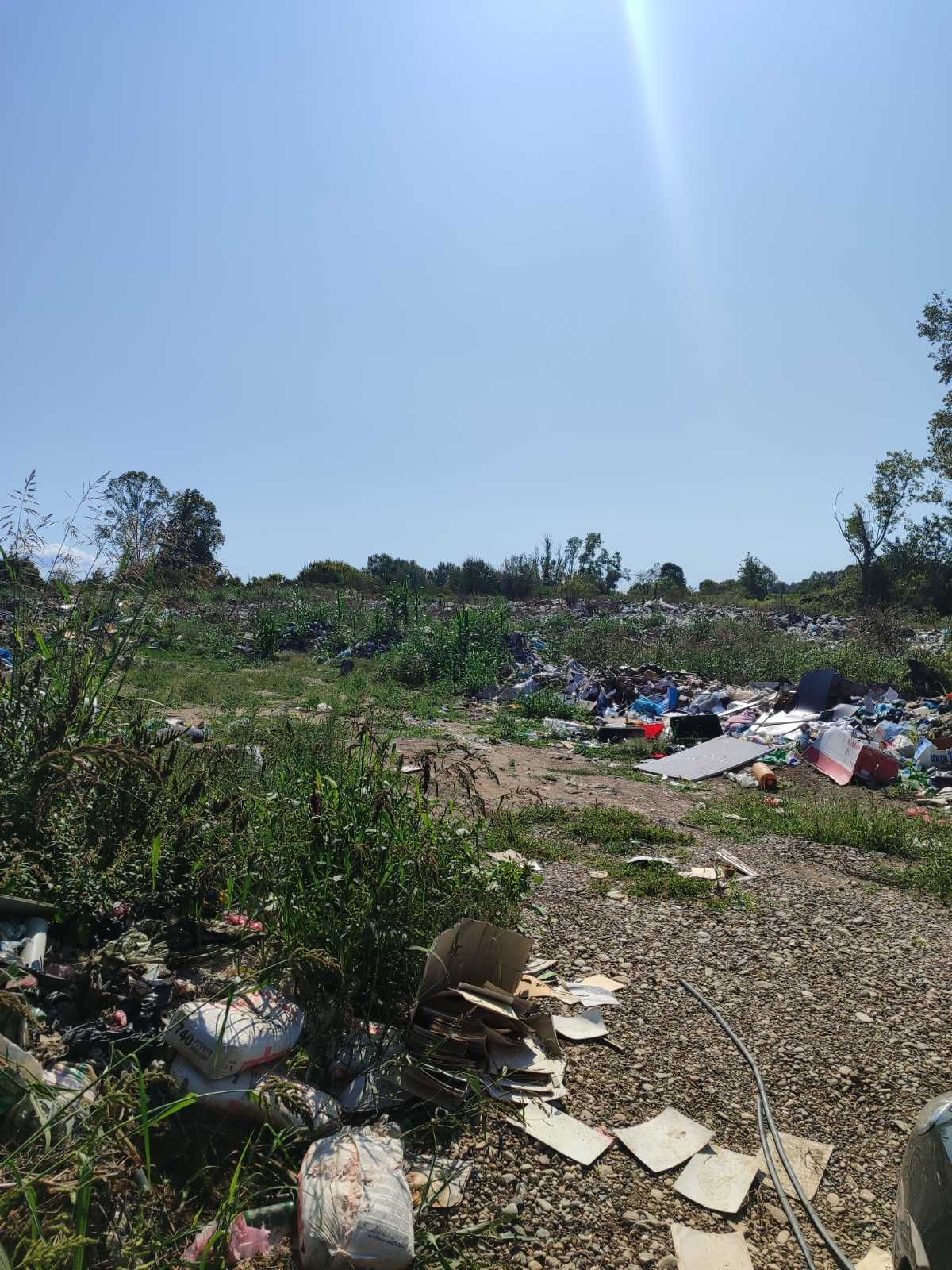
Klađe is a former municipal-waste landfill outside the settled part of Srbac municipality, near the river Vrbas; it is now inactive and out of function. Soil, sediment and water were tested. Cadmium reached a level indicating a need for cleanup in several places — at the edge and lowest point of the landfill, in the deeper soil and in the sediment — and cobalt in the sediment. The surface water at the lowest point of the landfill was heavily polluted with nickel and oil-related pollution, while lead exceeded the limits even in the river Vrbas.
Assessment findings
Findings of concern
- Cadmium reached a level indicating a need for cleanup in several places — at the edge and lowest point of the landfill, in the deeper soil and in the watercourse sediment — and cobalt in the sediment.
- The surface water that intermittently collects at the lowest point of the landfill was heavily polluted: nickel and oil-related pollution were very high, and cadmium, copper and lead also exceeded the prescribed limits.
- Lead exceeded the limits in the river Vrbas and in the abandoned river channel, where cadmium and combustion-related compounds also exceeded the limits in one sample.
- Nickel, copper and zinc in the soil and sediment were above the level at which land is no longer considered clean, and the surface soil also contained legacy pesticides from earlier use.
Positive findings
- Oil-related pollutants, lead and chromium in the soil were within the prescribed limits, as were combustion-related compounds in all soil and sediment samples.
- The legacy pesticides in the surface soil did not reach the level indicating a need for cleanup, and the former deposit area that had been cleared of waste was noticeably cleaner.
- Chromium, selenium and iron met the prescribed limits in all water samples.
Photo gallery
The project results have been submitted to the competent institutions as a basis for improving regulation and for strategic planning of further activities.
Legal basis
- Rulebook on limit and remediation values of polluting, harmful and hazardous substances in soil (Official Gazette of RS No. 82/21)
- Decree on water classification and watercourse categorization (Official Gazette of RS No. 42/01)